prohibition
noun prohibition
ˌprəʊɪˈbɪʃn
The act of not allowing something to be done or used.
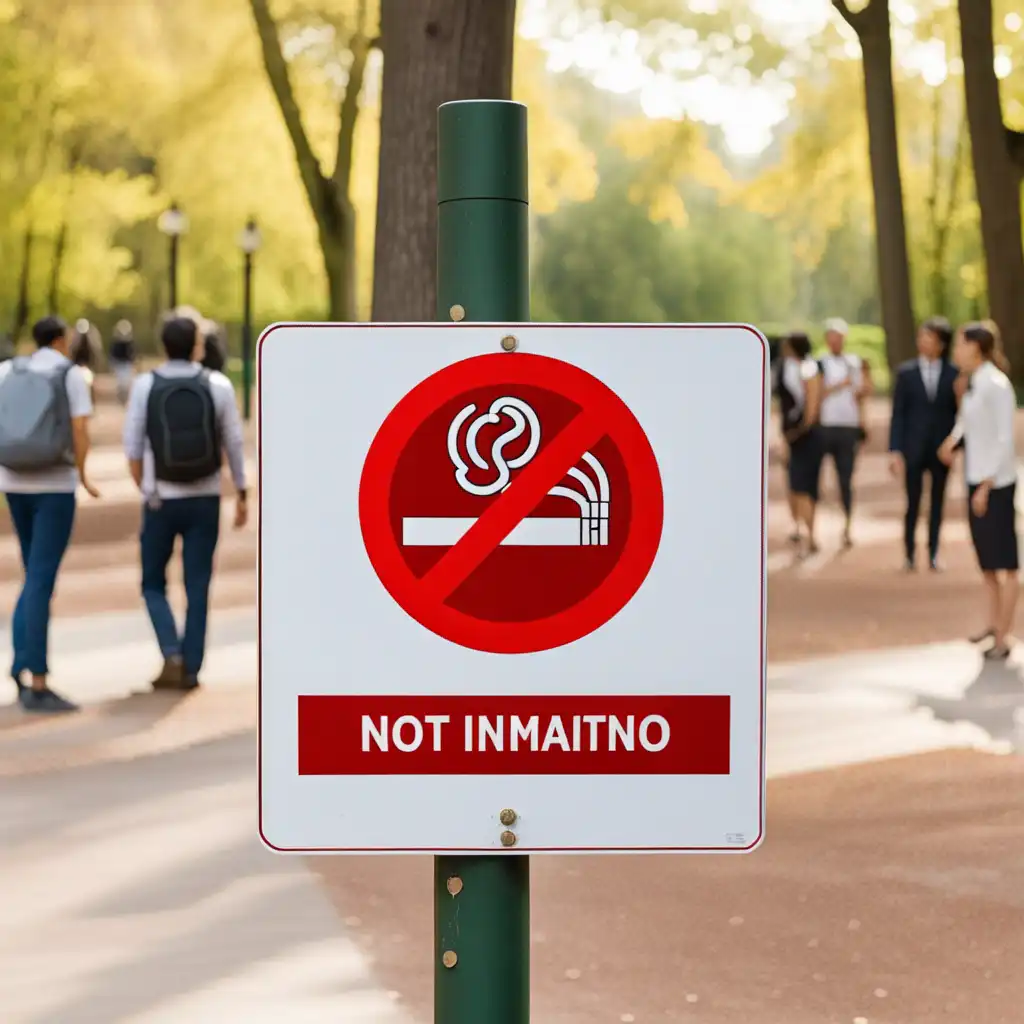
The government has put a prohibition on smoking in public places.
prohibition
ˌprəʊɪˈbɪʃn
Đang tải…
ˌprəʊɪˈbɪʃn
The act of not allowing something to be done or used.
The government has put a prohibition on smoking in public places.

ˌprəʊɪˈbɪʃn
A law or regulation that stops something from being done.
The new city ordinance is a prohibition against the use of plastic bags at grocery stores.
ˌprəʊɪˈbɪʃn
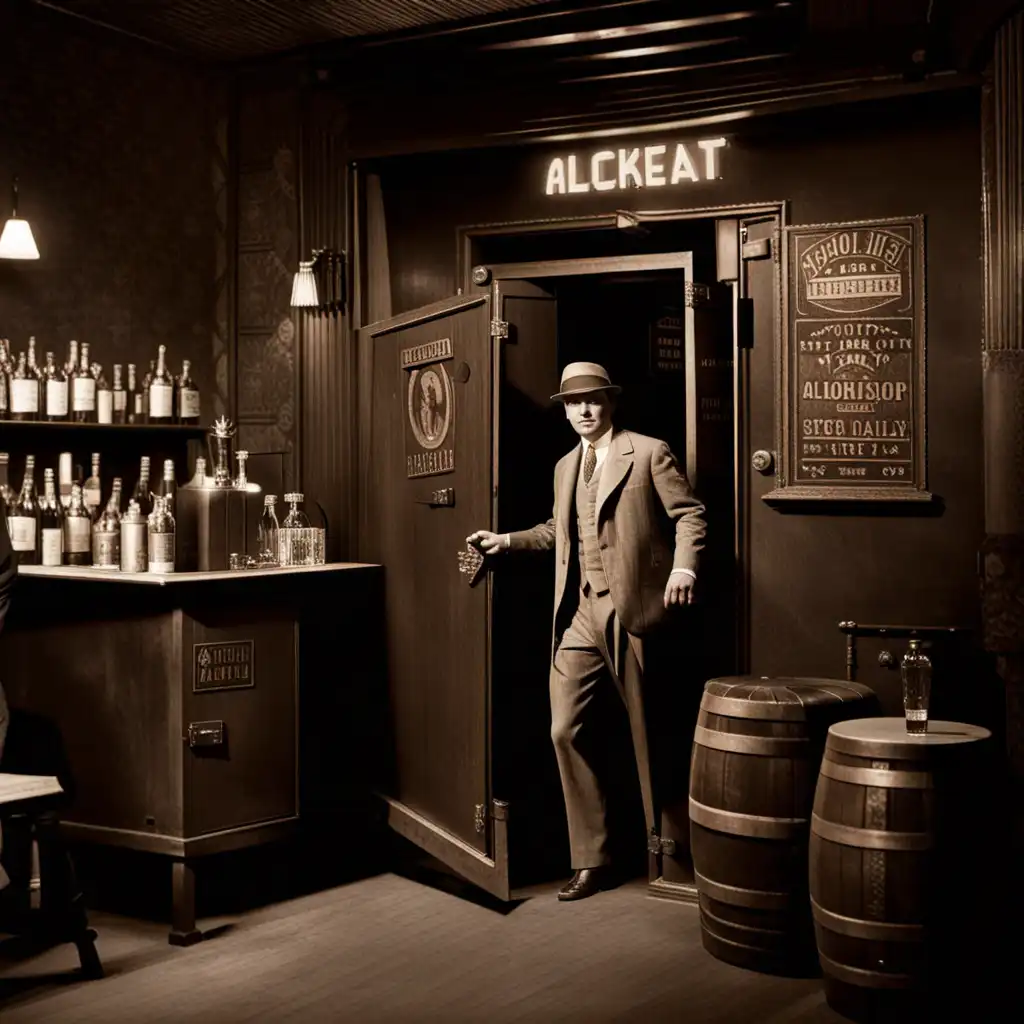
The period from 1920 to 1933 in the USA when the sale of alcoholic drinks was illegal.
Bootleggers thrived during the Prohibition, smuggling alcohol into the country.
Không tải được âm thanh. Vui lòng thử lại sau.
Prohibition means that something is not allowed or is banned. For example, alcohol was under prohibition in the United States during the 1920s and 1930s, where it was illegal to make, sell, or transport alcohol. In certain countries, there may be prohibitions on smoking in public places or on certain types of clothing or behavior. So, if something is prohibited, it is not permitted, and there can be consequences if you do it anyway.
Both ban and prohibition mean the act of forbidding something, but they are used in different contexts.
Ban is usually used when something is forbidden by law or by a person or group in authority. For example, the government could ban the sale of cigarettes to minors or a school could ban the use of cellphones during class.
Prohibition is used more specifically in reference to the legal ban of alcohol during the 1920s in the United States, but it can also be used to refer to the banning of other substances or activities.
In summary, while both words mean forbidding something, ban is used in a broader sense and can refer to anything that is forbidden by law or authority, while prohibition is used more specifically to refer to the legal ban of a particular substance or activity.
Mở từ: Ban →Both embargo and prohibition are commonly used in the context of trade, but they have different meanings.
Embargo refers to a government-imposed restriction or ban on the trade of certain goods or services with a specific country.
For example, the United States may impose an embargo on Cuba, prohibiting American companies from trading with Cuban companies.
So, while an embargo restricts trade between countries, a prohibition restricts certain activities that the government deems harmful or illegal.
Mở từ: Embargo →Interdiction and prohibition are both words that mean to stop or prevent something from happening.
However, interdiction is generally used more in regards to government or law enforcement actions to prevent the movement of something (such as drugs, weapons, or people), while prohibition is more often used to describe laws or rules that restrict or forbid specific actions or behaviors (such as drinking alcohol or smoking in certain places).
Interdiction is applicable when the government is trying to prevent the movement of people or things, while prohibition is applicable when a particular behavior or action is being restricted or banned.
Mở từ: Interdiction →Outlaw refers to something that is illegal or against the law. It applies to certain actions, behaviors, or people who have been banned by the government.
For example, murder is an outlawed action and people who commit it may be punished by the law.
The difference between the words outlaw and prohibition is that outlaw refers to actions, behaviors, or people that are against the law, while prohibition refers to specific things that have been banned by the government.
Mở từ: Outlaw →Restriction means that something is limited in some way. For example, there may be a restriction on how many people can gather in a certain space during a pandemic.
Restrictions mean that the thing can still be done, but there are rules and limitations around it.
In simpler terms, prohibition means "no, you can't do it," while restriction means "you can do it, but only under certain conditions."
Mở từ: Restriction →Suppression refers to the act of preventing something from happening or controlling it by force. For example, a government may suppress a protest by using police force to disperse the crowds.
Suppression is applicable when the authorities want to manage or reduce a certain activity that they consider disruptive or dangerous.
Prohibition is a complete ban while suppression is controlling or managing an activity.
Mở từ: Suppression →Taboo refers to a cultural prohibition, often based on superstition or religion, that prevents people from doing certain things because they are considered morally or spiritually unacceptable.
It is enforced by social norms and can result in social ostracism or exclusion. For example, certain foods might be considered taboo in some cultures, and it would be frowned upon or unacceptable to eat them.
Prohibition is a legal restriction, while taboo is a cultural or social restriction.
Mở từ: Taboo →Veto refers to the power to reject or say no to a proposed action or decision.
Prohibition means something is not allowed by law, whereas veto means someone in power has the ability to say no to a decision or proposal.
Veto is applicable in the context of government decision-making, such as a president vetoing a bill passed by Congress.
Mở từ: Veto →we can say things to the world around us that they don't actually believe make sense. We can get them to do things that they don't think they can do. When I thought about my grandmother, of course she would think all her grandkids were special. My grandfather was in prison during prohibition.
Xem trên YouTube ↗Parents must not only have certain ways of guiding by prohibition and permission, they must also be able to represent to the child a deep, almost somatic conviction that there is meaning in what they are doing.
prohibition or a no take and they would say stop fishing and this particular area and everybody goes to other part of the river and they found out that by doing that the marine life finds a space for them to rehabilitate themselves to
Xem trên YouTube ↗Just as the process of repealing national alcohol prohibition began with individual states repealing their own prohibition laws, so individual states must now take the initiative with respect to repealing marijuana prohibition laws.
ingrained aspect of any advanced culture that could never be wiped out by prohibition in his view the greatest harm in our culture's relationships with with drugs was the absence of a safe supply and lack of honest information about responsible use and risks this harm is a direct
Xem trên YouTube ↗So I think ethics is the broader thing that's less focused on prohibitions and is more perhaps looking at principles and questions and ideas about how to live your life.
it was clear that Prohibition had not brought the social improvements it had promised. Instead it contributed to political corruption and organized crime and was flouted by millions of citizens. At one raid on an Detroit beer hall the local sheriff mayor and a congressman
Xem trên YouTube ↗The 'environmental left' tells us that, though we have natural resources like natural gas and oil and coal, and though we can feed the world, we should keep those things in the ground, put up fences, and be about prohibition.
That's my drug education Safety first. So this is what I've dedicated my life to, to building an organization and a movement of people who believe we need to turn our backs on the failed prohibitions of the past
Xem trên YouTube ↗Every generation has a macabre notion that wars, government prohibition, natural disasters or mankind itself could be the downfall of society and the world as a whole.
between our policies of prohibition and our actual behavior of tolerance or even encouragement of consumption. These organizations service recruit from, and operate within our communities, so necessarily they are much more integrated
Xem trên YouTube ↗Society secretly delights in crime, excesses, and violated prohibitions of all sorts.
We live in this weird time. It's kind of age of prohibitions, where in many areas of our life, we live life constantly against the law. Ordinary people live life against the law, and that's what I -- we are doing to our kids.
Xem trên YouTube ↗I belong to the Congress. My party has always supported prohibition, though it may not have been successful in implementing prohibition in many states.
Does life as a chemical system capable of formulating, and in some cases answering questions about its own existence, have a responsibility or should have a prohibition against sponsoring more life across the universe?
Xem trên YouTube ↗Prohibition is better than no liquor at all.
and punished through prohibitionist law. I don't think this is an accident. These laws have political support precisely because they target people that voters don't want to see or know about. Why else might people support prohibition?
Xem trên YouTube ↗For every prohibition you create, you also create an underground.
Other scholars took up the theme, and the proposed analogies and connections multiplied. They suggested that Dorothy's dog Toto represented the teetotalers of the prohibition party. Oz was clearly the abbreviation for ounces, an important unit in the silver debate.
Xem trên YouTube ↗I'm not ashamed to admit that prohibition is 'impractical.