luxuriant
adjective luxuriant
lʌɡˈʒʊriənt
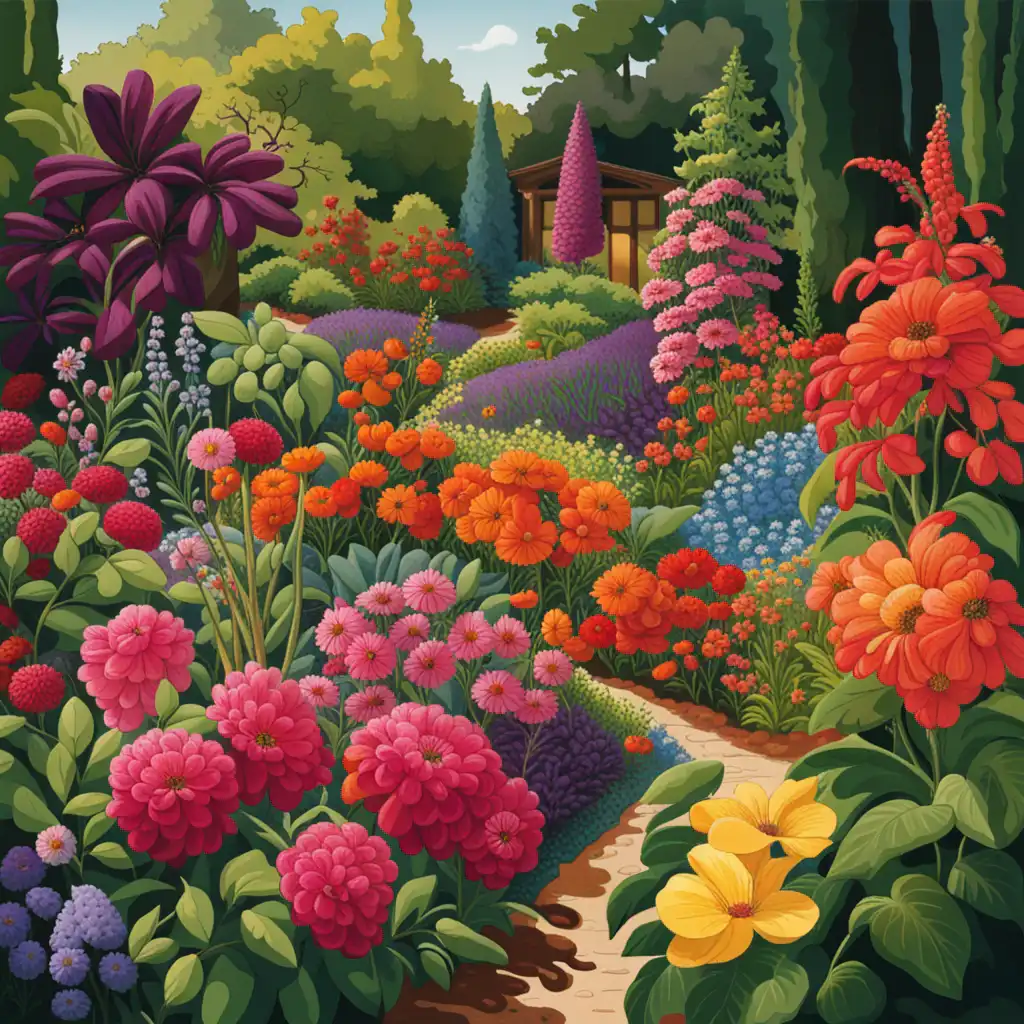
Growing thickly and strongly in a way that is attractive. Mainly used to describe plants.
The garden had a luxuriant display of foliage and flowers.
luxuriant
lʌɡˈʒʊriənt
読み込み中…
lʌɡˈʒʊriənt
Growing thickly and strongly in a way that is attractive. Mainly used to describe plants.
The garden had a luxuriant display of foliage and flowers.
lʌɡˈʒʊriənt
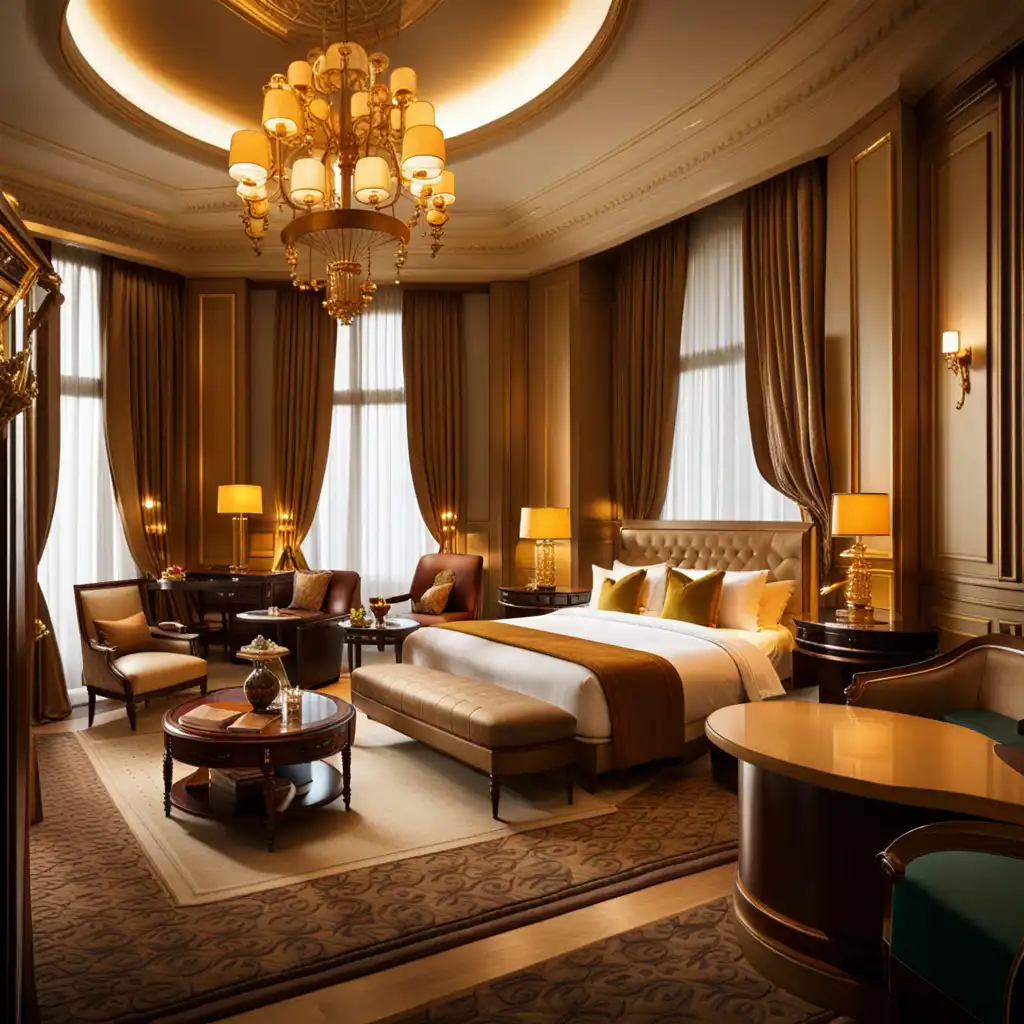
Very comfortable and expensive. Rich and luxurious.
The hotel has luxuriant accommodations and world-class service.
音声を読み込めませんでした。しばらくしてからもう一度お試しください。
The word luxuriant means something that is abundant or excessive in growth, usually referring to plants or hair. It can also describe something that is rich, full, or highly indulgent. You might use this word to describe a beautiful garden with tall, lush trees and colorful flowers, or someone with thick, healthy hair. You could also say a meal was luxuriant if it was very rich and indulgent, with many different types of foods or ingredients. Overall, the word is used to describe something that is full, abundant, and impressive.
Abundant means having a lot of something or present in large quantities, while luxuriant means growing in abundance, especially in a way that is healthy and attractive.
For example, a forest can be abundant in trees, while the trees themselves can be luxuriant with their lush foliage and vibrant colors.
Similarly, a farm can have abundant crops, while the crops themselves can be described as luxuriant if they are healthy and productive.
Abundant applies to the quantity or amount of something, while luxuriant applies to the quality or appearance of that same thing.
単語を開く: Abundant →Both bountiful and luxuriant describe abundance or excess, but bountiful is more commonly used to describe an abundance of something desirable, like a bountiful harvest, while luxuriant often describes an excess of something beautiful or lush, like a luxuriant garden or hair.
Bountiful is applicable when referring to things that are useful or helpful in some way while luxuriant is more commonly used to describe things that are beautiful or visually appealing.
単語を開く: Bountiful →Flourish refers to a thriving and successful growth or development, often in an impressive way.
It describes a person or thing that is doing very well and is thriving or flourishing. For example, a business may flourish if it is making a lot of money or has a lot of customers.
Flourish is applicable when describing the success and thriving growth of a person or entity, whereas luxuriant is applicable when describing the abundance and richness of an environment or setting.
単語を開く: Flourish →Lavish refers to something that is very excessive and abundant in quantity or expenditure. For example, if someone throws a lavish party, it means that they went all out and spent a lot of money to make it impressive and extravagant.
So in short, lavish describes something excessive or extravagant in quantity or expense, while luxuriant describes something abundant and rich in growth.
単語を開く: Lavish →Both lush and luxuriant refer to something that is abundant and thriving.
However, lush tends to describe something that is thick, green and verdant (like a jungle or forest), while luxuriant refers to something that is opulent, extravagant and elegant (like a luxurious mansion or a spa).
Lush is often used to describe natural landscapes, while luxuriant is typically used to describe man-made objects.
単語を開く: Lush →Luxuriant and opulent are both adjectives used to describe something that is extravagant or lavish, but the difference between the two is the type of extravagance being described.
Opulent describes something that is rich, luxurious and expensive, usually in a material or financial sense. A mansion with ornate furnishings and expensive artwork can be described as opulent.
Luxuriant describes something that is abundant and lush, while opulent describes something that is rich and lavish, usually in a material or financial sense.
単語を開く: Opulent →Profuse refers to something that is abundant in quantity or degree, such as a profuse amount of sweat or tears.
It can also describe something that is excessively elaborate or verbose, such as a profuse apology or speech.
Luxuriant is more applicable to describing plant life or ornate objects, while profuse is more commonly used to describe quantities or speeches.
単語を開く: Profuse →Thrive refers to a person, animal, or plant that is growing, developing, and succeeding in a particular environment or situation.
It is more about overall health and growth rather than just abundance. For example, a child who is thriving in school or a plant that is thriving in a particular climate.
The main difference between the two words is that luxuriant usually refers to an abundance of growth, while thrive refers to overall success and health.
単語を開く: Thrive →Mark Plotkin: What the...
YouTube で見る ↗I say that democracy can never prove itself beyond cavil, until it founds and luxuriantly grows its own forms of art, poems, schools, theology, displacing all that exists, or that has been produced anywhere in the past, under opposite influences.
A Climate Event to End...
YouTube で見る ↗