formality
noun formality
fɔːrˈmæləti
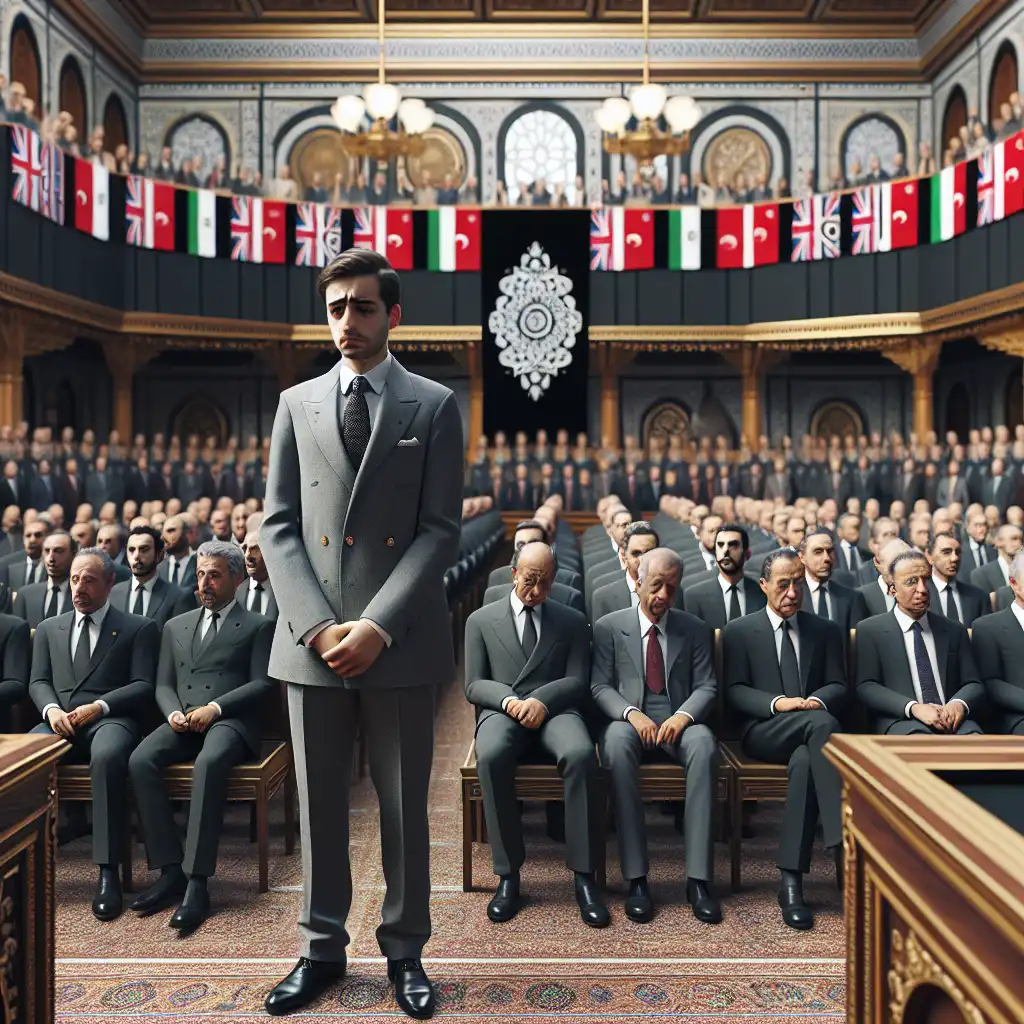
The condition of being formal or official
The formality of the situation made him feel uncomfortable.
formality
fɔːrˈmæləti
加载中…
fɔːrˈmæləti
The condition of being formal or official
The formality of the situation made him feel uncomfortable.

fɔːrˈmæləti
A thing that is done because it is usual or required, but has no real meaning or importance
Considering him as the next chairman is just a formality.

fɔːrˈmæləti
The following of traditional or established rules or style, especially in language or art
Her works are known for their strict formality of composition.
音频无法加载,请稍后再试。
The word 'formality' refers to behaviors, actions or customs that are formal or official. It is often used in situations where people are expected to act in a specific way, such as in formal events like weddings or business meetings. For example, when dressing for a formal event, it's important to wear appropriate clothing to show respect to others. In business, a formal dress code and professional mannerisms are expected to communicate credibility and competence. Using formal language and manners can also show respect and politeness in different situations.
Ceremony is a formal celebration or event that is typically tied to a specific cultural or religious tradition. Ceremonies often have symbolic meaning and are meant to commemorate a special occasion or rite of passage.
For example, a wedding ceremony, graduation ceremony, or religious ceremony.
In general, ceremonies are more focused on the meaning behind an event, while formalities are more focused on the proper behavior and etiquette associated with a particular situation.
打开单词: Ceremony →A convention is a commonly accepted practice or way of doing things, while formality refers to adhering to certain rules or expectations of behavior.
Conventions can apply to a wide range of things, such as social norms and expectations or business practices. For example, it is a convention to shake hands when you meet someone for the first time.
In the business world, it is a convention to dress professionally for meetings.
Overall, conventions are more general and widely accepted practices, while formalities are specific rules or expectations of behavior.
打开单词: Convention →Decorum refers to a certain behavior or conduct that is considered to be polite, appropriate or respectable in a particular social situation.
In simpler terms, decorum is about how one behaves and conducts themselves, while formality is more about following certain rules and adhering to specific protocols.
Decorum is applicable in various social situations irrespective of the level of formality, while formality is specifically applicable in formal settings.
打开单词: Decorum →Etiquette refers to the customary code of polite behavior in society or among certain groups, such as the way we greet people or behave at a formal dinner.
Etiquette is about being polite and considerate, while formality is about following certain rules or expectations in different situations.
打开单词: Etiquette →Formalism refers to a strict adherence to rules and procedures, especially in art, literature, or philosophy.
It is often associated with an emphasis on style over substance. Formalism is applicable in situations where a rigid set of rules or principles must be followed.
打开单词: Formalism →Protocol refers to the specific rules and procedures that are followed in a given situation. This can include things like how to greet people, who should speak first, and what topics are appropriate to discuss.
Protocol is more specific to certain situations, such as diplomatic meetings or military operations.
打开单词: Protocol →Ritual refers to a series of actions or behaviors that are performed for a specific purpose or intention, often with symbolic, spiritual, or cultural significance.
Examples of rituals include religious ceremonies, cultural celebrations, and personal routines or habits.
Rituals can be used to mark important events or milestones, establish a sense of community, or provide a sense of comfort or familiarity.
In summary, formalities are expected behaviors in certain situations, while rituals are intentional actions with symbolic meaning.
打开单词: Ritual →without knowing a lot more about the situation where it's being said. To start with how familiar are you with the person you're talking to? Many cultures have different levels of formality. A close friend, someone much older or much younger, a stranger, a boss.
在 YouTube 上观看 ↗My father always has been attractive because of his energy, warmth, charm, and talent for finding some connection with people from all cultures and walks of life. He rarely observed social formalities and niceties - something he has passed on to his boys.
met said that this station is abandoned there is no people there but when we came there we saw people not only a few there was a whole community living there we were after a few formalities which is normal when you enter one of
在 YouTube 上观看 ↗In the modern world there's no such thing as formality. A dinner jacket used to mean a tuxedo, you know?
granted with the formalities over tomorrow the real work can begin
在 YouTube 上观看 ↗We've become much more casual and much more relaxed in social interactions, where there was a formality and maybe a kind of respect at that time that doesn't exist now.
You just never think about it, because for so many generations, these extra innings haven't mattered much because the election-night loser just concedes. So this other stuff is just a formality. Even in 2000, vice president Al Gore gave up
在 YouTube 上观看 ↗Sometimes I listen to songs by very smart writers who assume that the world is a civil place with certain formalities that people follow, but I don't see things that way. My own experience tells me that life is not like that.
Until the legal formalities are completed, one is not supposed to make it public. When a child comes home, he/she is considered to be in foster care for the first month; the legal procedures begin after that.
From the time I've landed in India and wherever I've travelled, I've only experienced politeness and courtesy. There has been no hatred whatsoever. But I strongly feel every country has its formalities and rules that one has to abide by. I believe in respecting that, as it is in the best interests of everyone.
Maybe I'm stupid, I don't know. I went to the police and said, 'Why do you want me?' They said, 'Please don't worry, it is just formalities.
In assisting his 'neighbour' every day to the best of his ability, and keeping truth, honesty, and kindness perpetually before him, the Boy Scout, with as little formality as possible, is pleasing God.
When your mother asks, 'Do you want a piece of advice?' it is a mere formality. It doesn't matter if you answer yes or no. You're going to get it anyway.
I despise formal restaurants. I find all of that formality to be very base and vile. I would much rather eat potato chips on the sidewalk.