napkin
noun napkin
ˈnæpkɪn
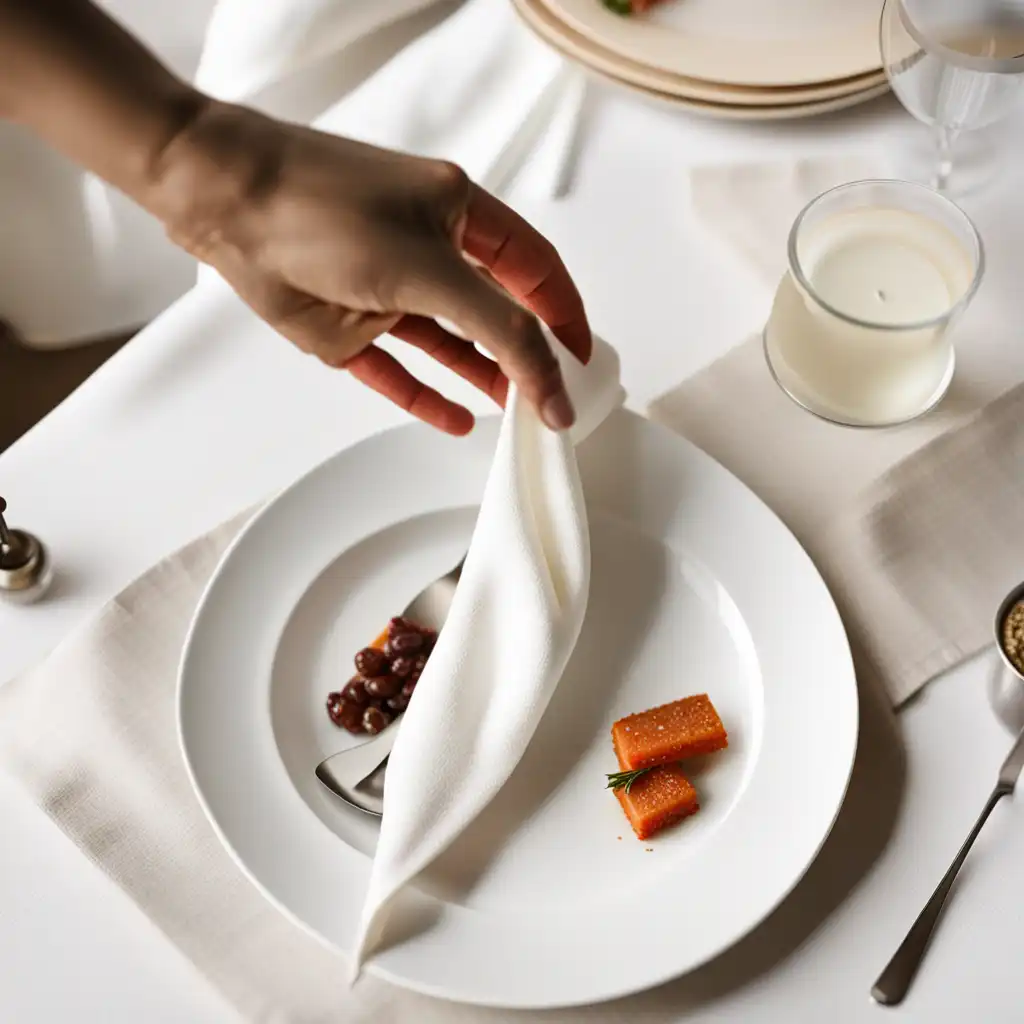
A square piece of cloth or paper used at a meal to wipe the fingers or lips.
Can you pass me a napkin, please?
napkin
ˈnæpkɪn
Loading…
ˈnæpkɪn
A square piece of cloth or paper used at a meal to wipe the fingers or lips.
Can you pass me a napkin, please?
ˈnæpkɪn
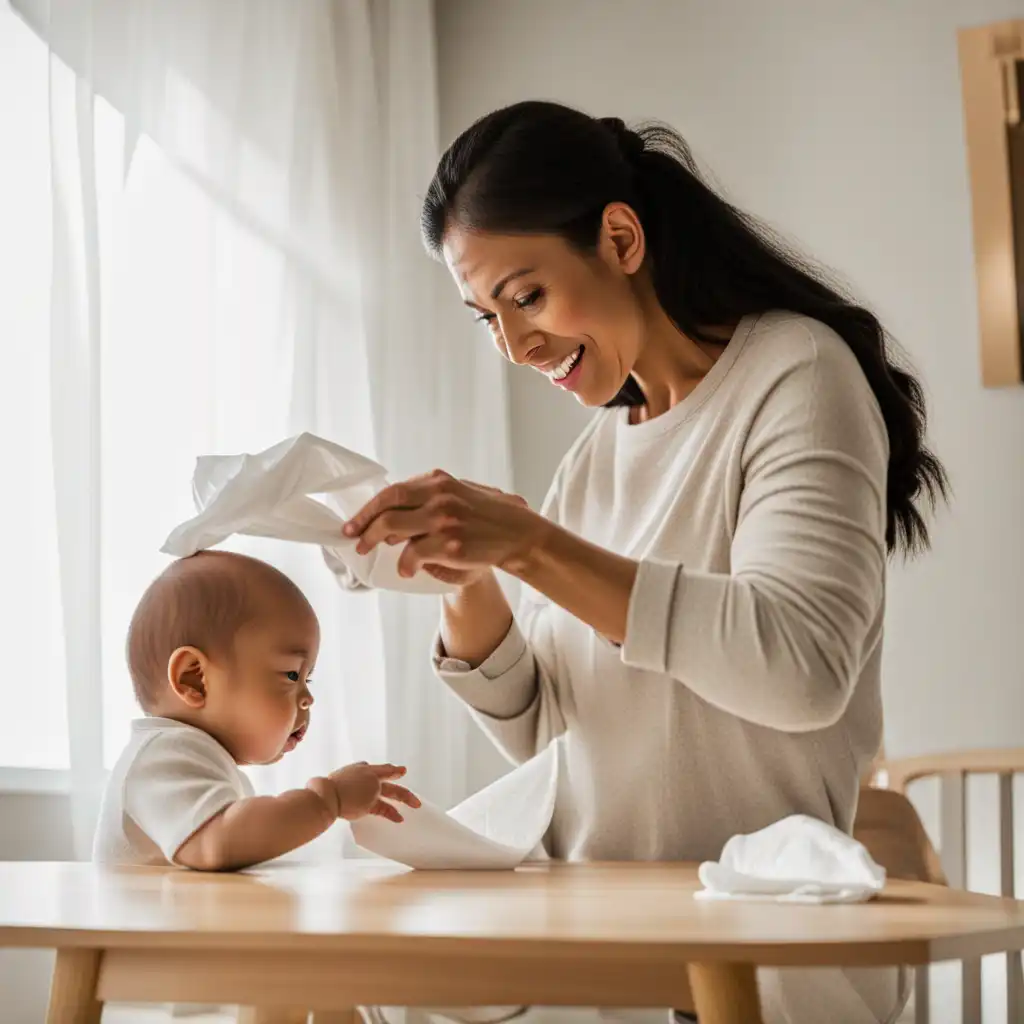
A diaper or nappy for a baby.
She changed the baby's napkin.
ˈnæpkɪn
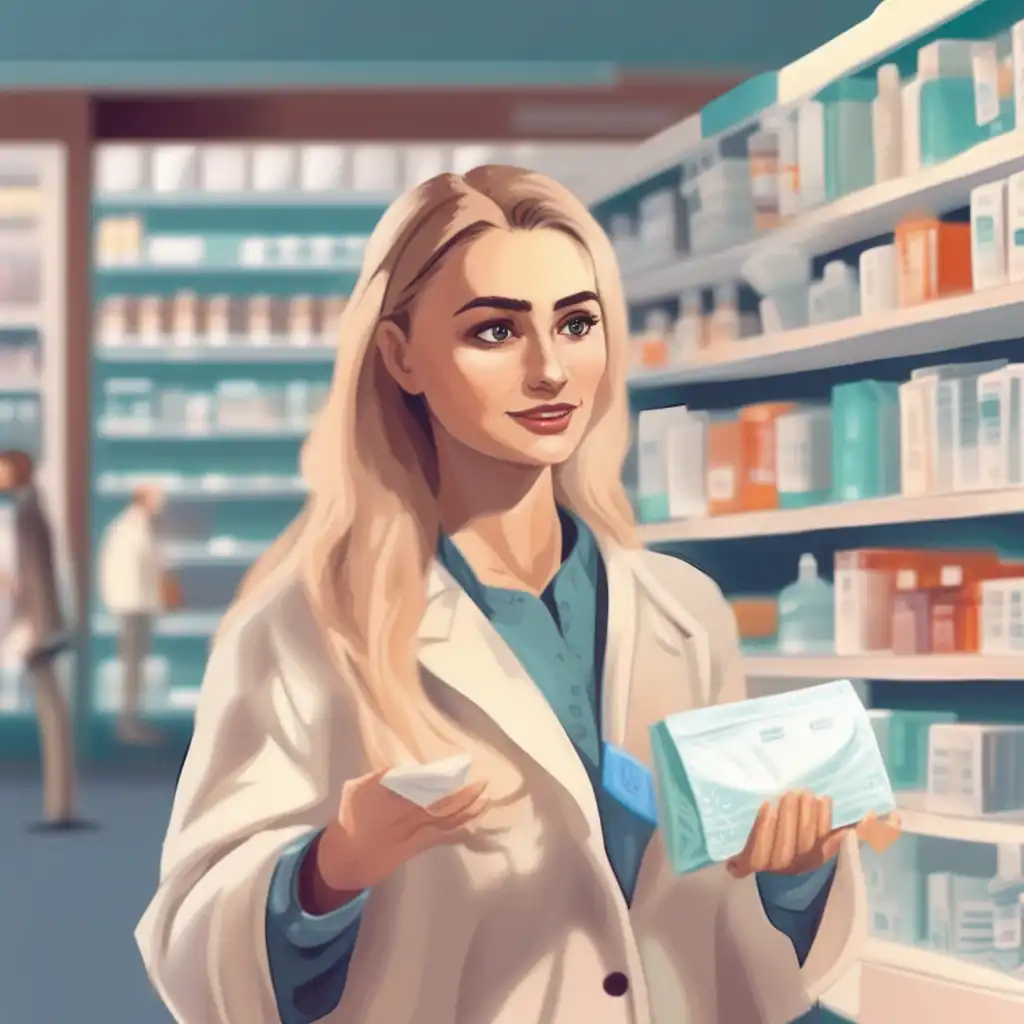
A sanitary towel.
She asked for a napkin at the drugstore.
Audio could not be loaded. Please try again later.
A napkin is a small piece of cloth or paper used to wipe your mouth and hands while eating or drinking. In restaurants, napkins are usually provided on the table, and at home, you might have a set of napkins you use during meals. They help keep your hands and face clean while you eat. So, if you are going to eat out or have guests over for dinner, you might want to make sure you have some napkins on hand to keep things tidy.
Cloth is a general term for any piece of fabric that can be made into different things like clothing, blankets, towels, etc.
A napkin is a specific type of cloth that is often used during meal times to wipe your mouth or hands.
Cloth is a general term for any piece of fabric, while a napkin is a specific type of cloth used during meal times.
Open word: Cloth →A handkerchief is a small, square piece of cloth used for wiping your nose or face.
It is usually made of soft, lightweight material like cotton or linen. Handkerchiefs are personal items and are typically carried in someone's pocket or purse.
Open word: Handkerchief →A pad is typically made of absorbent material (such as cotton) and is used for a variety of purposes, such as for feminine hygiene, wound care, or as a diaper for babies.
Overall, napkins are used for cleaning oneself during meals, while pads have a wider range of uses and are more specialized for absorbing fluids.
Open word: Pad →The main difference between a napkin and a rag is their intended use.
A rag is a piece of cloth used for cleaning or wiping up messes.
It can be made of a variety of materials and is typically reused multiple times before being thrown away or washed. Rags are often made of thicker, more durable materials that can hold up to repeated use and may be used for a variety of cleaning tasks around the house, such as wiping down counters or mopping up spills.
A napkin is used to wipe your mouth and hands during a meal, while a rag is used for cleaning and wiping up messes around the house.
Open word: Rag →The words napkin and serviette can be used interchangeably to refer to a piece of cloth or paper used to wipe one's hands or mouth while eating.
However, in some countries like the United States, napkin is more commonly used while in countries like the United Kingdom and Australia, serviette is more commonly used.
Open word: Serviette →Tissue refers to a thin and disposable piece of paper used for blowing the nose, wiping away tears, or cleaning up small spills.
Tissues are made of soft and delicate material, like paper or cotton, which is easy on the skin. Tissues are commonly used when a person has a cold or allergy or when they need to clean their face.
In summary, napkins are used for meals and are typically made of reusable material, while tissues are used for cleaning up small spills, wiping tears or cleaning the nose and are disposable.
Open word: Tissue →Towels are larger and used to dry your body or hands after washing or bathing. They can be made of fabric, paper or microfiber and are found in bathrooms or kitchens for cleaning up spills or drying dishes.
Open word: Towel →A napkin is a piece of cloth or paper used for wiping your mouth and hands while eating, and is usually found at restaurants or for formal occasions.
Wipe is a more general term used for cleaning or drying something, such as wiping a table, cleaning a spill, or drying your hands.
Essentially, a napkin is a specific type of wipe that is mainly used for personal hygiene during meals, while wiping can refer to any kind of cleaning or drying action.
Open word: Wipe →on the real world that resumes only when the final squiggle is reached? I'm not sure anyone knows the answer to that question, yet fantastical fictional worlds are created everyday in our minds on computers, even on napkins at the restaurant down the street.
Watch on YouTube ↗I've been in more laps than a napkin.
Then I spend another four years to create my own machine tools a simple machine tool like this. In this machine any rural woman can apply the same raw materials that they are processing in the multinational plant, anyone can make a world-class napkin at your dining hall. That is my invention.
Watch on YouTube ↗She's been on more laps than a napkin.
And she drew a map on a napkin, and she said 'Just follow this map and you'll find him.' - - I said 'Okay.' So I drove about an hour to rail-- railroad tracks, it was like the main marker on the map. I drove to the railroad tracks and put on my backpack. And parked the car and put on my backpack
Watch on YouTube ↗I've written songs on everything. Menus. Napkins. Little pieces of paper.
help out at the restaurants making Thai iced tea in the kitchen or folding napkins or bringing people to their table my dad loved growing the business but what he loved most was connecting people to Thai culture and giving them new and wonderful experiences my mother
Watch on YouTube ↗Luxury lives in the finer details. It's a cloth napkin at a dinner table. It's a mint on your pillow before bed.
Lastly the napkin traditionally goes to the left of the forks, though it's okay to put it underneath them too. For a fancier meal like this one that takes up a lot of space, we'll put it in the middle. Now we're ready to eat. Hopefully these tips will be helpful the next time you're asked to help set the table
Watch on YouTube ↗Nothing is more pleasant than to see a pretty woman, her napkin well placed under her arms, one of her hands on the table, while the other carries to her mouth, the choice piece so elegantly carved.
But indeed the laws of quantum mechanics can be written down on a napkin, and yet they govern all of chemistry, all of life all of history. If we obey these laws, we can do amazing things. So in origami to obey these laws, we can take simple patterns --
Watch on YouTube ↗Sometimes, when full and in fear that I will continue to eat unwanted food just because it's staring at me, I will place my napkin over the remaining portion. This is what I frequently refer to as a 'food funeral.
He said human beings act differently when they know they're alone than when they know somebody else is around. So if I'm eating spaghetti and I know I'm alone, I can eat like a backhoe. I can wipe my mouth on my sleeve napkin on the table, chew with my mouth open make little noises, scratch wherever I want.
Watch on YouTube ↗Oh, the secret of a great club is all in the detail. When I walk into one of my bars, I have to have all my napkins a certain way and all the pourers in the bottles facing a certain way. It drives some people crazy, but I figure if I notice something's off, then other people will notice it, too.
and it's still a thin structure. It's about the thickness of a table napkin. But it has so many convolutions and ridges it's now 80 percent of our brain, and that's where we do our thinking, and it's the great sublimator. We still have that old brain that provides our basic drives and motivations,
Watch on YouTube ↗If you want to be a poet, you can just write it on a napkin, and it's the length of the napkin, I guess. But usually you decide you'll rhyme it, or you'll have a formula. In radio, that's something called, 'Close your eyes and listen.
simple laws give rise to that kind of complexity but indeed the laws of quantum mechanics can be written down on a napkin and yet they govern all of chemistry all of life all of history if we obey these laws we can do amazing things so an origami to obey these laws
Watch on YouTube ↗Ever since I was a girl, I have written about one to five pages every day - on napkins, on scrap paper, in notebooks and tablets, on the walls in my room as a teenager, and in orange paint on the cheap white plastic blinds in my room.
and you are all capable of creating these cognitive maps yourselves. So next time when you want to tell your friend how to get to your place, you grab a beermat grab a napkin and you just observe yourself
Watch on YouTube ↗Don't touch my napkin. I do not want the server to pick up the napkin and put it on my lap. I know it belongs there; maybe I don't choose to put it there.