twine
noun twine
twaɪn
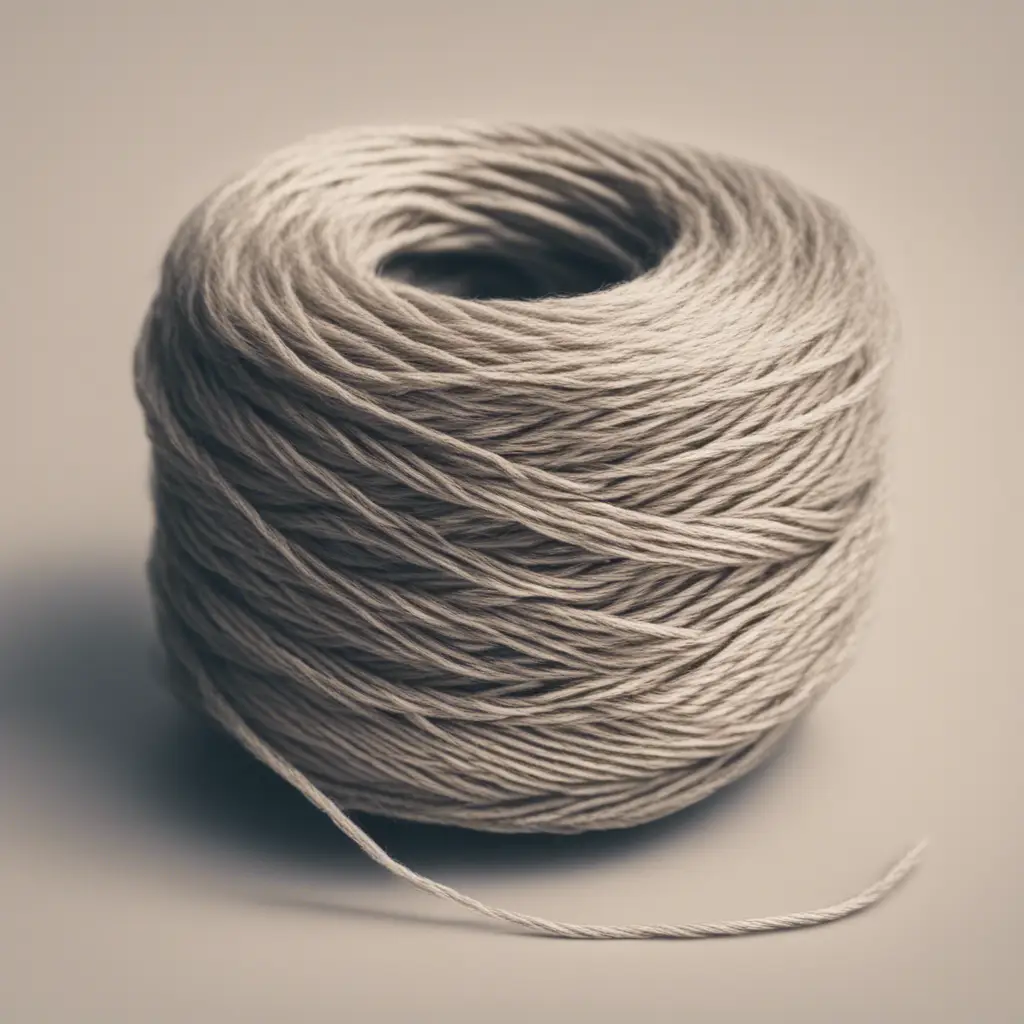
Strong thread or string made up of two or more thinner strands twisted together.
She used a twine to tie the package.
twine
twaɪn
Cargando…
twaɪn
Strong thread or string made up of two or more thinner strands twisted together.
She used a twine to tie the package.
twaɪn
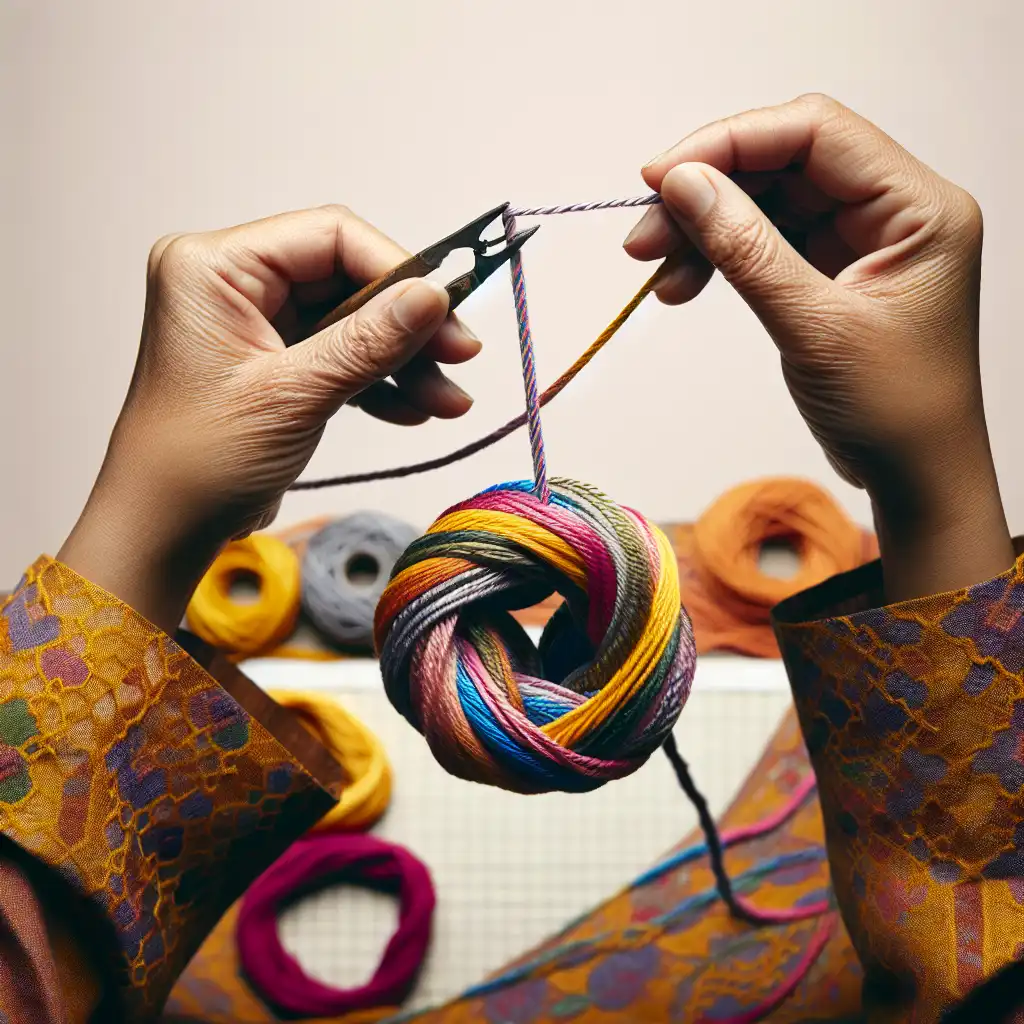
To twist or wind together.
She twined the threads into a rope.

twaɪn
To wind or wrap around something.
The ivy twined around the tree trunk.
No se pudo cargar el audio. Inténtalo de nuevo más tarde.
The word 'twine' refers to a strong thread or string that is used for tying up things or holding them together. You may use this word when you need to wrap something securely, like a gift or a package, or when you need to tie a plant to a support stake in the garden. Twine can also be used to make crafts, such as weaving or macrame.
Bind means to tie something tightly together, usually with some kind of material like rope or cord. It's used when you want to keep something secure or in a specific place.
If you want to wrap a present, you might bind it with ribbon to keep the wrapping paper in place. If you're making a rope, you would twine pieces of string or material together to create a stronger, more durable cord.
Abrir palabra: Bind →Cord and twine are both types of string, but they have different applications.
Cord is a thicker and stronger type of string, often used for activities that require a lot of strength or durability, such as rock climbing or tying heavy objects.
Cord is thicker and stronger, while twine is thinner and lighter. Cord is suitable for jobs that require strength and durability, while twine is used for lighter and more delicate applications.
Abrir palabra: Cord →Lace usually refers to a delicate material made of threads woven together in intricate patterns. It is commonly used in clothing or decor items, like wedding dresses or curtains.
It is typically used for tying, fastening, or bundling things together, like packages or plants. Lace is a delicate material used for decoration, while twine is a rugged material used for tying things together.
Abrir palabra: Lace →Rope is thicker and stronger than twine. It is commonly used for heavy-duty tasks such as towing, climbing, and securing heavy objects.
Twine is thinner and more flexible than rope. It is commonly used for tying and binding lighter objects such as packages, plants, and vegetables.
Abrir palabra: Rope →Strand refers to a single piece of thread or rope, while twine refers to multiple strands twisted together.
Strand can be used when talking about a single thread or when referring to a single string of hair, while twine is used when referring to thicker ropes or cords made up of multiple strands.
For example, a piece of dental floss is a strand, while a rope used for climbing is made up of twine.
Abrir palabra: Strand →String and twine are both thin and flexible materials made of fibers or threads twisted together.
The main difference between them is in their strength and thickness. Twine is usually thicker and stronger than string.
It is commonly used for tasks that require more strength, such as tying down tent stakes or bundling firewood. String is usually thinner and less strong, and is commonly used for lighter tasks such as tying gift wrapping or crafts.
Twine is thicker and stronger, while string is thinner and less strong, so each is used for different tasks depending on the required strength and thickness.
Abrir palabra: String →The main difference between the words thread and twine is their thickness and strength. Thread is a thin, fine strand of material used for sewing or embroidery, while twine is a thicker and stronger string used for tying or binding things together.
Thread is generally used for delicate work, such as sewing clothes, while twine is used for heavier-duty tasks, like tying up plants or packaging items.
In simpler terms, thread is like a thin and weak string, while twine is like a thicker and stronger rope.
Abrir palabra: Thread →The main difference between tie and twine is that tie means to fasten or secure something with a string, rope, or band whereas twine refers to a type of strong string made of two or more strands twisted together.
Tie can be used in various contexts such as tying shoe laces, tying up a package with a ribbon, or tying a rope around something to secure it.
Twine is used mainly for wrapping, binding or bundling items together, such as tying plants to a trellis, bundling newspapers for recycling, or wrapping gifts.
Tie refers to the act of fastening something while twine refers to the material that is used for wrapping or binding items together.
Abrir palabra: Tie →How the jump rope got...
Ver en YouTube ↗A young man, be his merit what it will, can never raise himself; but must, like the ivy round the oak, twine himself round some man of great power and interest.
Maker space; supporting...
Ver en YouTube ↗Twine from trees and plants can make good floss!
Monster Fish - High-Wire...
Ver en YouTube ↗I've never had a diamond before, and now I've got a diamond surrounded by other diamonds and diamonds in places where, frankly, you don't need diamonds at all, and I would have been happy with a piece of twine.
Can you solve the jail...
Ver en YouTube ↗When I first heard Bjork's music, I felt like I was a similar-minded thinker, both harmonically and melodically. She takes those things that you naturally assume to be opposite because they're presented that way most of the time, and the way she twines them together is so beautiful. To be able to do that is so powerful.
Breeding Habits Of The...
Ver en YouTube ↗Behind the man is the Tree of Life, bearing twelve fruits, and the Tree of the Knowledge of Good and Evil is behind the woman; the serpent is twining round it.
What child has ever known the country and has not twined hundreds of fragrant wreaths with the yellow shining cowslip and the more frail and delicate violet - mingling here and there green leaves culled from the odorous eglantine, or, as we more commonly call it, sweetbriar.
I have traveled down this path before - 'List of Seven' and 'Twin Peaks' both have thematic similarities - but 'Paladin' took me much deeper into the intuitive underground. Always bearing in mind Joseph Campbell's Rule No. 1: When entering a labyrinth, don't forget your ball of twine.