delirium
noun delirium
dɪˈlɪriəm
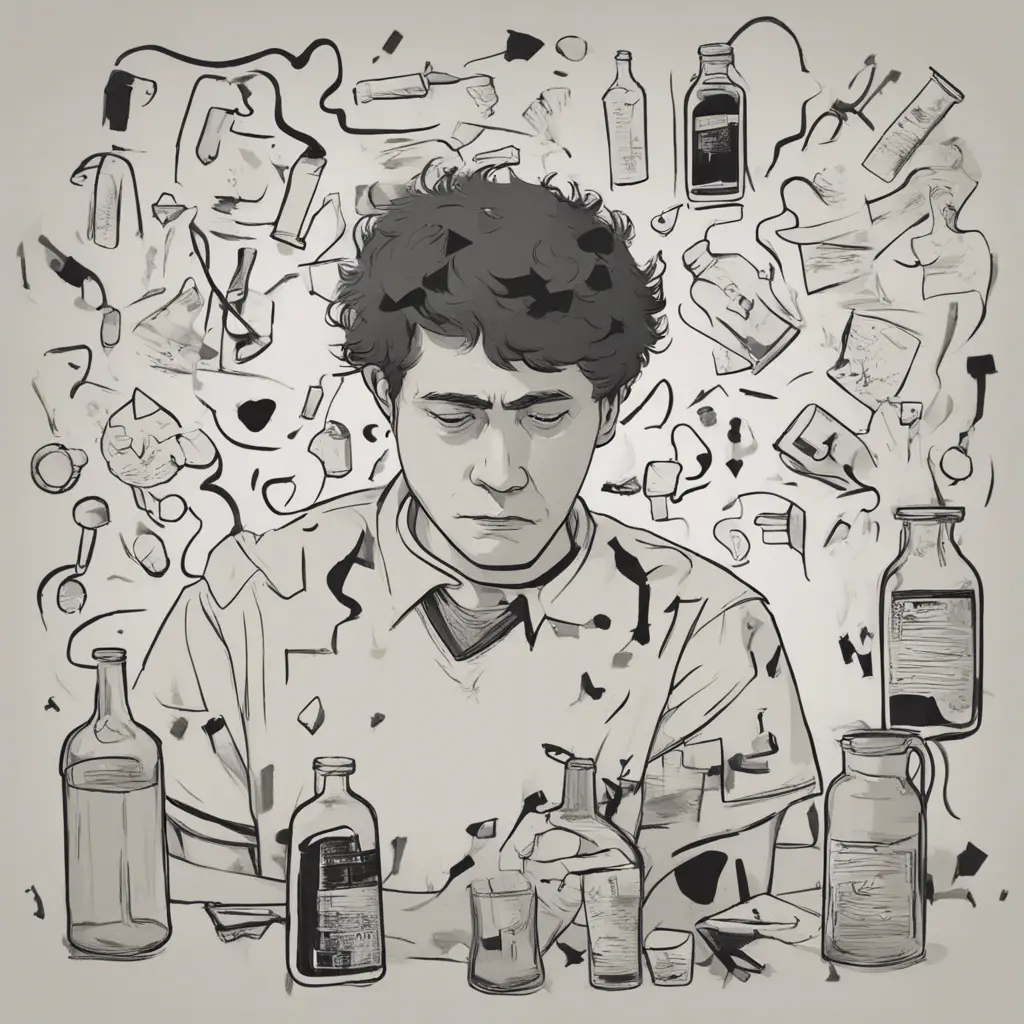
A state of severe confusion and disorientated behavior, usually caused by illness or drinking too much alcohol.
The elderly man was in a state of delirium after the surgery.
delirium
dɪˈlɪriəm
読み込み中…
dɪˈlɪriəm
A state of severe confusion and disorientated behavior, usually caused by illness or drinking too much alcohol.
The elderly man was in a state of delirium after the surgery.

dɪˈlɪriəm
Extreme excitement or happiness.
When their favourite team won the match, there was an outpour of delirium among the fans.
音声を読み込めませんでした。しばらくしてからもう一度お試しください。
Delirium is a word used to describe a state of confusion and disorientation that someone might experience when they are sick or under a lot of stress. It can cause confusion, memory loss, and strange behavior. It is often seen in older adults who are hospitalized, but it can happen to anyone. It is important to seek medical attention if you or someone you know is experiencing delirium.
Confusion is a state of mind where a person may not understand things clearly or have difficulty making decisions.
It can happen when there is too much information to process or when someone is overwhelmed. Confusion is usually short-term and can be resolved once the cause is addressed.
Delirium is a state of mental confusion that can be caused by illness, infection, or drugs.
It is often characterized by confusion, disorientation, hallucinations, and rapid changes in mood. Delirium is more severe than confusion and can be life-threatening if not treated promptly.
単語を開く: Confusion →It can be caused by illness, injury, or medication. Ecstasy refers to an intense feeling of happiness or pleasure.
Delirium is applicable in medical situations where a patient's mental state is affected, while ecstasy is applicable in social situations where people are experiencing heightened joy and pleasure.
単語を開く: Ecstasy →Frenzy refers to a state of extreme excitement or agitation. It is characterized by a wild and uncontrolled behavior, often due to a strong emotion like anger, fear, or joy.
Frenzy can be caused by external factors like a crowd or an event, or by internal factors like mental illness or anxiety.
Delirium is a medical condition that causes confusion and hallucinations, while frenzy is a state of extreme excitement or agitation due to strong emotions or external factors.
単語を開く: Frenzy →Hallucination is when a person sees, hears, feels or smells something that is not really there. This can be caused by drugs, medication, mental illness, or other factors.
Delirium is a mental state where a person is confused and disoriented, while hallucination is when a person experiences something that is not really there.
Delirium is usually a temporary condition that goes away once the underlying cause is treated, while hallucinations may be a symptom of a more serious condition that requires ongoing treatment.
単語を開く: Hallucinate →Hysteria is a state of exaggerated or uncontrollable emotion, often including feelings like fear, anxiety, or panic. Delirium is typically a medical term used to describe a specific condition, while hysteria is more commonly used to describe a general state of emotional distress or frenzy.
単語を開く: Hysteria →Mad refers to a state of extreme anger or frustration, or a person who behaves in an irrational or unpredictable way. This can be caused by a variety of factors, including mental illness, stress, or personal problems.
Delirium refers to a temporary and reversible state of mental confusion, while madness is a more persistent and potentially dangerous condition.
Delirium is typically treated by addressing the underlying cause, while madness may require more intensive and ongoing treatment.
単語を開く: Mad →Delirium and mania are both mental states that are often confused with each other. Delirium is a state of mental confusion where a person has difficulty understanding and is unable to focus or pay attention.
It often occurs as a result of illness, infection, or trauma. Mania is a state of extreme excitement and overactivity, often seen in bipolar disorder.
Delirium is a state of confusion caused by a physical condition, while mania is a state of extreme excitement caused by a mental condition.
Delirium requires medical attention, while mania requires psychiatric treatment.
単語を開く: Mania →Sanity refers to a state of mental health where a person has a clear and rational mind, and their behavior is appropriate and predictable.
Delirium is associated with illness, injury or medication, and can often be treated or managed. Sanity is a normal state of being for most people, and is associated with good mental health.
単語を開く: Sanity →and while I was out there floating I started to get a little bit nervous. Actually I was totally freaking out -- -- and I was borderline hypothermic, and my friends eventually had to help me out of the water. And I don't know if it was delirium setting in or what,
YouTube で見る ↗Dementia resembles delirium in the same way an ultra-marathon resembles a dash across the street. Same basic components, vastly different scale. If you've run delirium's course once or twice in your life, try to imagine a version that never ends.
in frenzied scent marking finally the civets delirium pushes the poor Pangolin downward into the water as the civet watches helplessly the Pangolin swims away
YouTube で見る ↗When you are overworked and exhausted, there is a sense of kind of delirium and that's why I think architects do all-nighters and they kind of do those deadlines. For four days I remember doing four nights in one row with no sleep. I mean nobody, unless you are crazy, would do that, but you are totally focused on the project.
Not knowing what else to do they cut open the welt. A turtle emerged from the wound and swam away, alternating easily between sea and land as she went. When Deminan recovered from his delirium,
YouTube で見る ↗I am a night painter, so when I come into the studio the next morning the delirium is over.
The thing about delirium is you think it's great, but it actually isn't.
Slums may well be breeding grounds of crime, but middle class suburbs are incubators of apathy and delirium.
Recently I was directing an episode of 'Glee' and I lost my cell phone - and I didn't have time to buy a new one for three weeks. Well, the first few days I was anxious as hell, suffered the delirium tremens, didn't think I could make it through, etc. Then something kind of curious happened - I began to feel great.
To hell with reality! I want to die in music, not in reason or in prose. People don't deserve the restraint we show by not going into delirium in front of them. To hell with them!
Life creates itself in delirium and is undone in ennui.
You know, sometimes if you work - if you do a lot of takes and you work long hours, for me, at least, there is a delirium that starts kicking in on the fifteenth hour, and that can help. Below the just thirteenth hour is where I have a concern, because everybody's so tired.
I would not dare to say that there is a direct relation between mathematics and madness, but there is no doubt that great mathematicians suffer from maniacal characteristics, delirium, and symptoms of schizophrenia.