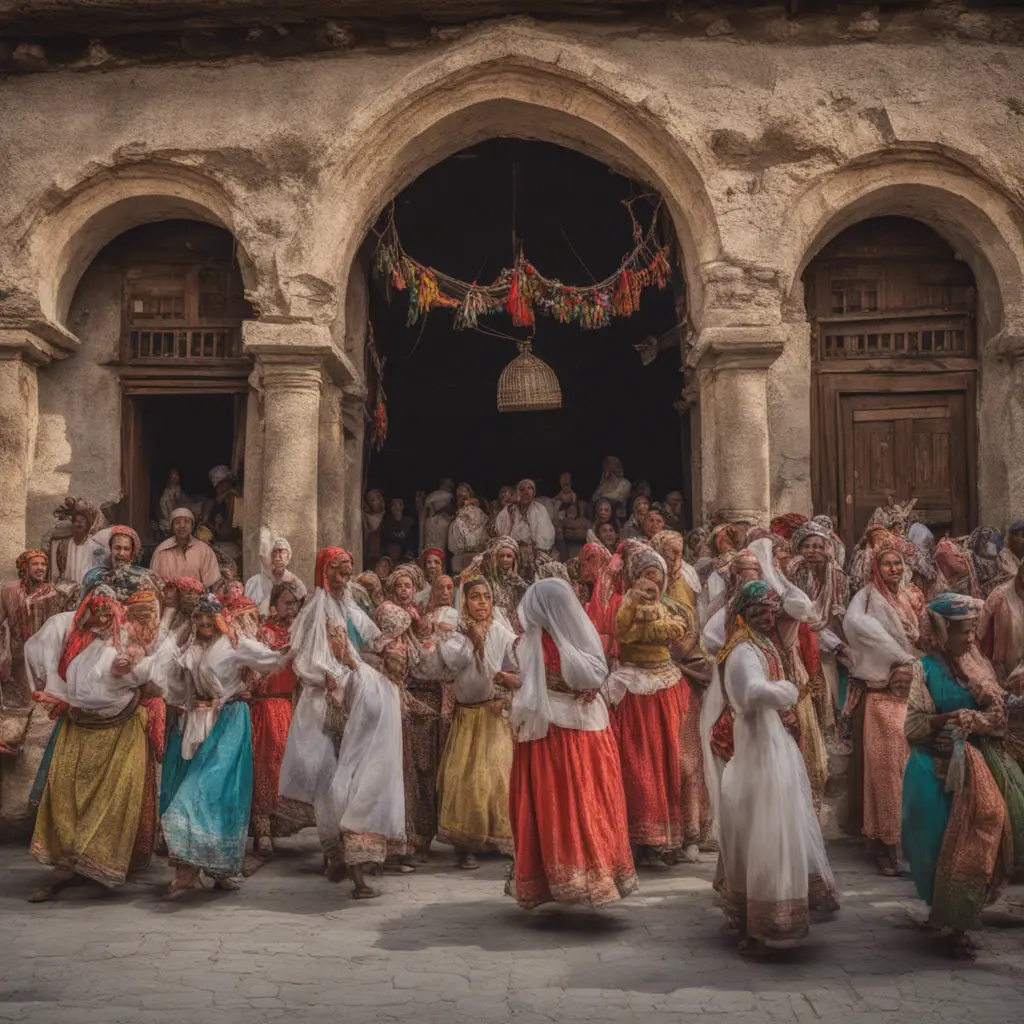
heritage
noun heritage
ˈherɪtɪdʒ
Things like traditions, buildings or objects, that have been part of a way of life or community for many years.
The town's historic buildings are part of our national heritage.
heritage
ˈherɪtɪdʒ
Loading…
ˈherɪtɪdʒ
Things like traditions, buildings or objects, that have been part of a way of life or community for many years.
The town's historic buildings are part of our national heritage.

ˈherɪtɪdʒ
Something that is inherited or passed down from ancestors.
She chose to celebrate her Asian heritage by wearing a traditional kimono on her wedding day.
ˈherɪtɪdʒ
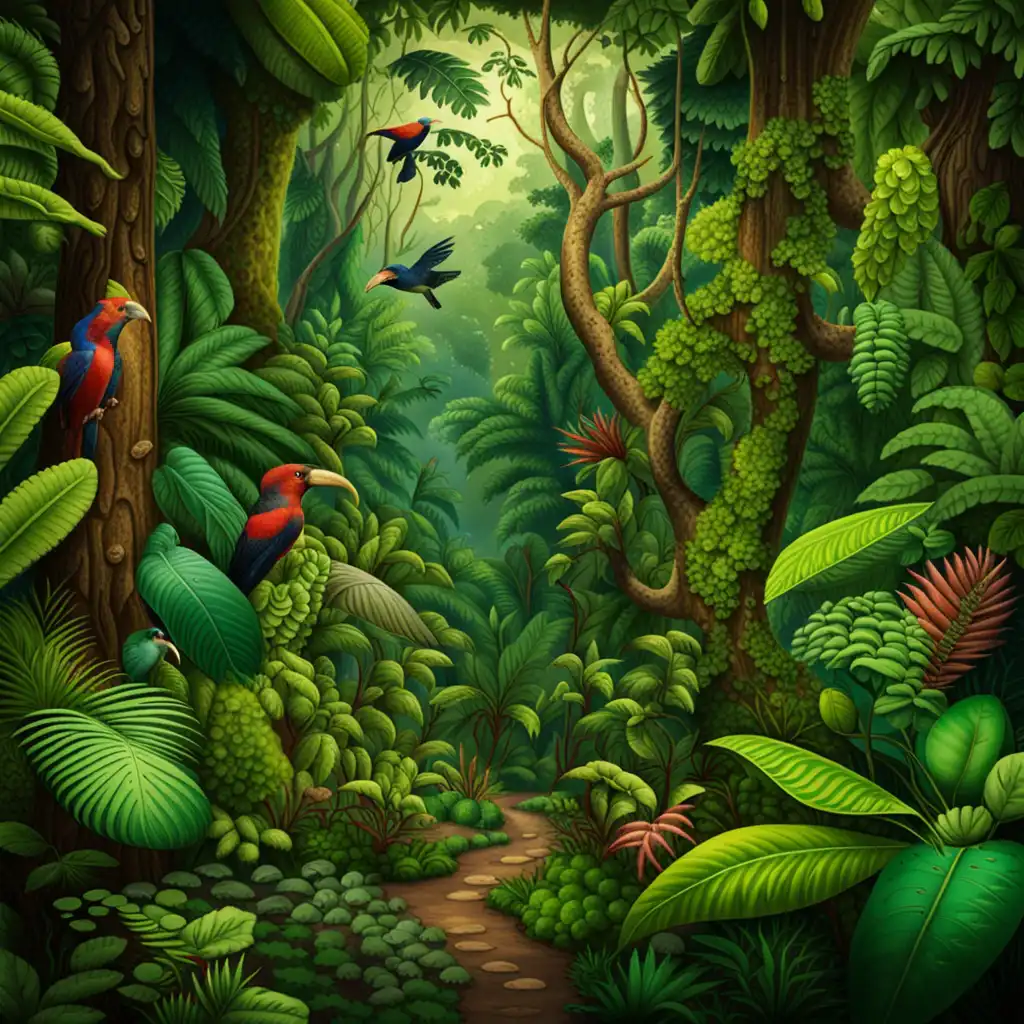
The natural features or biodiversity that have ecological value in a certain area.
The Amazon Rainforest is a heritage that must be preserved for our future generations.
ˈherɪtɪdʒ
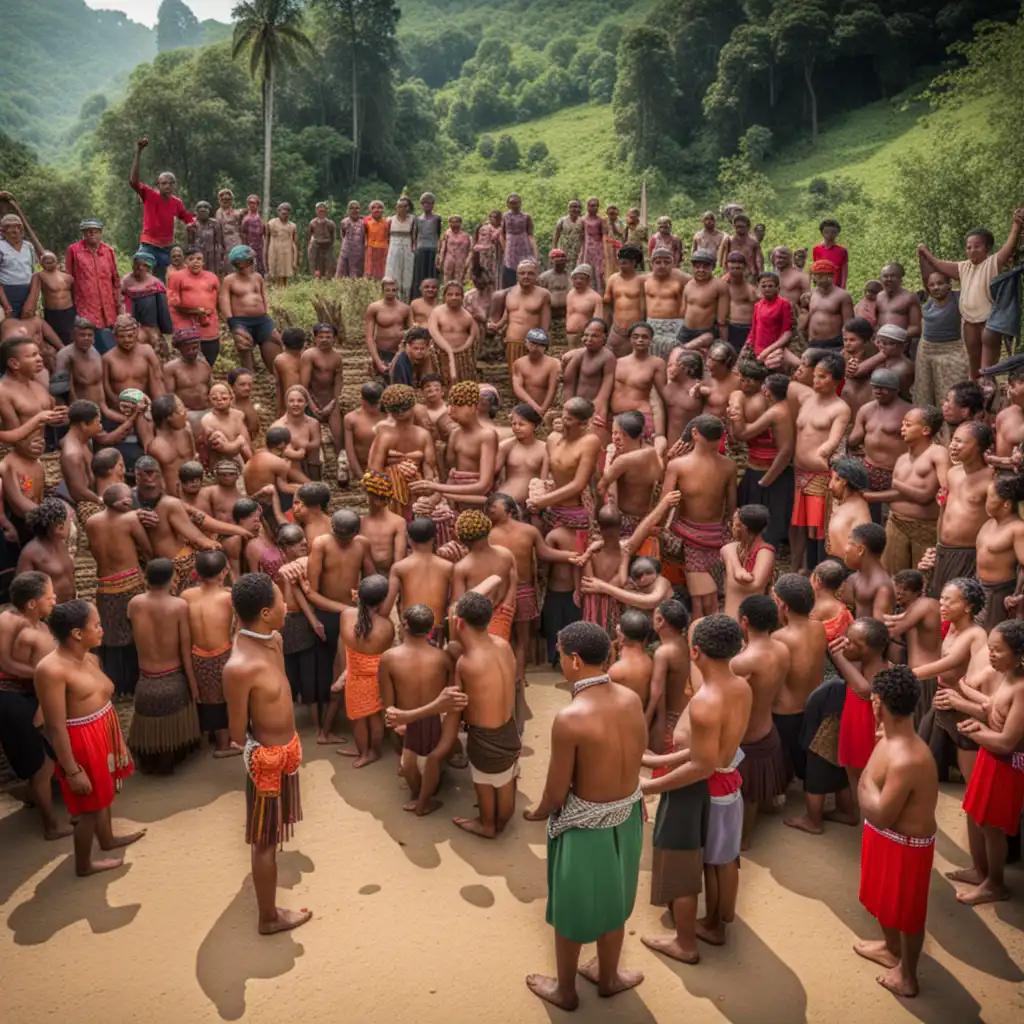
The total of inherited ideas, beliefs, values, and knowledge, which constitute the shared bases of social action.
The communal heritage shared among the villagers has preserved their unity for centuries.
Audio could not be loaded. Please try again later.
The word 'heritage' refers to things that have been passed down from one generation to another. It includes traditions, customs, beliefs, and practices that are important to a particular group of people or community. For example, a person's heritage could include their family's religious or cultural traditions, their country's historical landmarks and monuments, or even their personal values and beliefs. It is a word commonly used to describe the cultural or historical significance of something that has been inherited from the past, and is often used in discussions about identity and cultural preservation.
Ancestor refers to a person from whom you are descended or who lived in the past from whom you have inherited some traits.
For example, your great-grandfather or great-grandmother is your ancestor.
To apply it in a sentence, you could say "My great-grandfather immigrated from Italy, so he is my ancestor. My Italian heritage includes my family's recipe for homemade pasta and the tradition of celebrating La Festa di San Gennaro every year.".
Open word: Ancestor →Birthright refers to something that you're entitled to simply by being born into a particular family or group.
For example, if you were born into a royal family, you might have a birthright to the throne.
While birthright is more focused on legal entitlement, heritage is more focused on cultural identity. Both words are applicable in different contexts depending on what you're talking about.
Open word: Birthright →Culture and heritage are related terms that often overlap in meaning, but there are some differences between the two. Culture refers to the shared beliefs, values, customs, behaviors, and artifacts that characterize a group or society.
Culture is something that is learned and passed down from generation to generation. It includes things like language, food, music, art, religion, and traditions.
For example, the culture of Japan includes things like sushi, anime, and the tea ceremony.
Heritage refers to the aspects of a culture that are inherited from the past and that are considered important or significant to a group or society.
So while culture and heritage are related, culture is a broader term that encompasses all aspects of a shared way of life, while heritage refers specifically to the aspects that are seen as significant or valued.
Both culture and heritage are important to understanding and appreciating different groups and societies, and both can help to foster a sense of identity, pride, and connection to the past.
Open word: Culture →Ethos refers to the beliefs, values, and attitude of a particular group or society. It is applicable in the context of the customs, traditions, and behaviors that a group or society identifies with as a whole.
Ethos is about the shared beliefs and values of a group or society, while heritage is about the cultural resources that are inherited and preserved by that group or society.
Open word: Ethos →Heirloom refers to a valuable object, usually something that has been passed down through generations of a family.
It is usually an item with sentimental value that has been preserved over time. For example, a grandmother’s antique bracelet could be considered an heirloom.
Heirloom refers to a physical item that is passed down within a family while heritage refers to a person's cultural background and associated traditions.
Open word: Heirloom →History refers to the past events and developments that have shaped the world we live in today. It covers a wide range of topics, from wars and revolutions to social and economic changes.
The study of history enables us to have a better understanding of the present and to learn from the mistakes and achievements of the past.
Heritage relates to a group's cultural identity, while history focuses on the study and understanding of past events.
Open word: History →Inheritance refers to the physical or monetary possessions that are passed down from one generation to the next after someone dies.
To summarize, heritage is the cultural and historical legacy we inherit from our ancestors, while inheritance refers to the physical possessions passed down to us after they pass away.
Open word: Inheritance →Legacy refers to the impact we leave behind after we die. It is what we contribute to society, our achievements, and the memories we create for others.
Heritage is applicable in the context of family, culture, and tradition, while legacy is relevant to personal and professional accomplishments.
Heritage is what we inherit, while legacy is what we leave behind.
Open word: Legacy →Patrimony refers specifically to the inheritance of property or wealth that is passed down from one generation to the next.
In modern usage, the term heritage is often used to refer to both cultural and material aspects of a society's history, while patrimony is used more narrowly to refer to material possessions that hold cultural or historical significance.
Open word: Patrimony →For example, someone's heritage may include their ancestry, traditions, and customs. Heritage is applicable to a person's individual background and history.
Tradition refers to a customary way of doing things or a practice that has been passed down from generation to generation.
Traditions can vary depending on the culture or community and can include rituals, ceremonies, or holiday celebrations.
Tradition is applicable to a particular practice or custom that is shared among a group of people.
Heritage refers to a person's background and history, while tradition refers to a specific practice or custom that is shared among a community.
Open word: Tradition →new political movements took power. Some promised to erase all social distinctions, while others sought to unite people around a mythical heritage. The results were real-world dystopias where life passed under the watchful eye of the State
Watch on YouTube ↗What people don't understand is this is something that we only have in America. There is no other country in the world where the ordinary citizen can go out and enjoy hunting and fishing. There's no other nation in the world where that happens. And it's very much a part of our heritage.
the country and originally this was set up to be a reminder of that cultural traditional heritage link that they have but also to help educate people about how critically endangered elephants are in the wild here
Watch on YouTube ↗American books reflect our common heritage with many other nations and their influence upon our culture. The influences are endless, linking us with the rest of the world. Thus, they are good ambassadors for us.
parks were created to conserve and enhance their wildlife beauty heritage and use there for all of us to enjoy care for and benefit from so reflecting on what they look like and
Watch on YouTube ↗My western heritage runs deep.
That said, our cherished heritage was once almost completely destroyed. If you are wearing glasses, please stand up.
Watch on YouTube ↗My heritage has been my grounding, and it has brought me peace.
said people are thinking that I'll be okay because we know that we name our soldiers you know so there's a real strength in knowing your identity your name is specific Aria and it be honest and your name and your roots and your heritage on your altar is
Watch on YouTube ↗After all, I think Jerusalem is part of the, of the world's heritage.
according maybe to his humor or different circumstances of his life." Maybe your particular humor and circumstances suggest getting a symbol of cultural heritage, a sign of spirituality sexual energy, or good old-fashioned avant-garde defiance. A reminder of a great accomplishment,
Watch on YouTube ↗The musical heritage of Yorkshire is deep and wide.
a process that took about six years. The cloned fragments were sequenced in labs around the world following one of the project's two major that collaboration on our shared heritage was open to all nations. In each case the fragments were arbitrarily broken up
Watch on YouTube ↗I cherish my beautiful Italian heritage.
It's because we've been making this work for you know thousands of years. You experience our heritage. You experience our culture. You're experiencing how we look at life.
Watch on YouTube ↗On the one hand, she is cut off from the protection awarded to her sisters abroad; on the other, she has no such power to defend her interests at the polls, as is the heritage of her brothers at home.
clearly devastated me and I couldn't help but wonder about the fate of my old friends the winged Bulls and the fate of the many many heritage sites all over the world both my wife and I was so
Watch on YouTube ↗Conversations between parents and kids are important - about race issues, about all kinds of things, about heritage.
protect cultural heritage during armed conflict, but that doesn't mean that it necessarily worked. You can make treaties but a lot of times the countries involved in conflicts don't necessarily adhere to them. We had terrible situations like the intentional
Watch on YouTube ↗I think there is a heritage which I'm proud of, which is a fight for democracy, a fight for social justice, a fight for freedom. My grandfather went to jail or exile six times in his life, fighting for his principles for democracy, or for his country. And my father twice.