fluorescence
noun fluorescence
fləˈresns
The emission of light by a material that has absorbed light or other electromagnetic radiation.
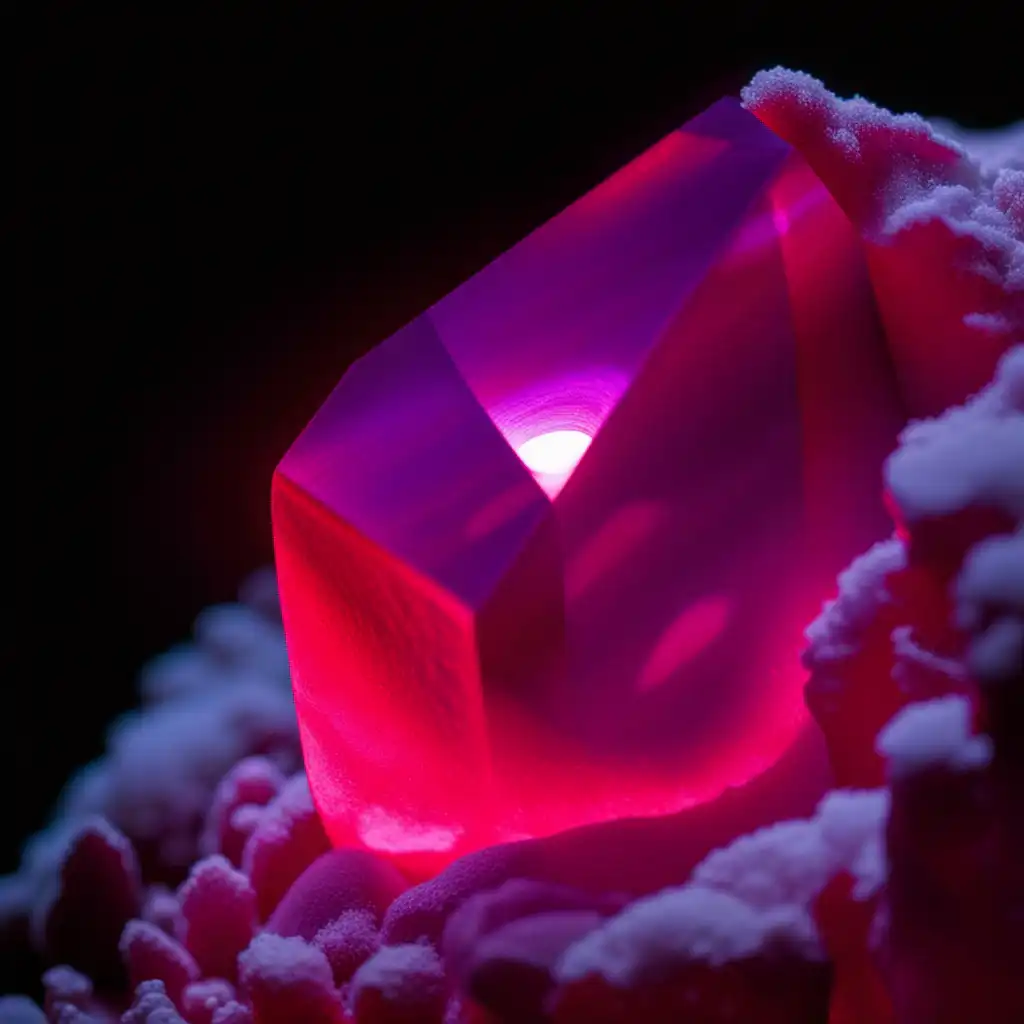
The ruby has a deep red fluorescence under ultraviolet light.
fluorescence
fləˈresns
Loading…
fləˈresns
The emission of light by a material that has absorbed light or other electromagnetic radiation.
The ruby has a deep red fluorescence under ultraviolet light.
fləˈresns
A bright coloured glowing seen in certain substances due to the absorption of radiant energy.
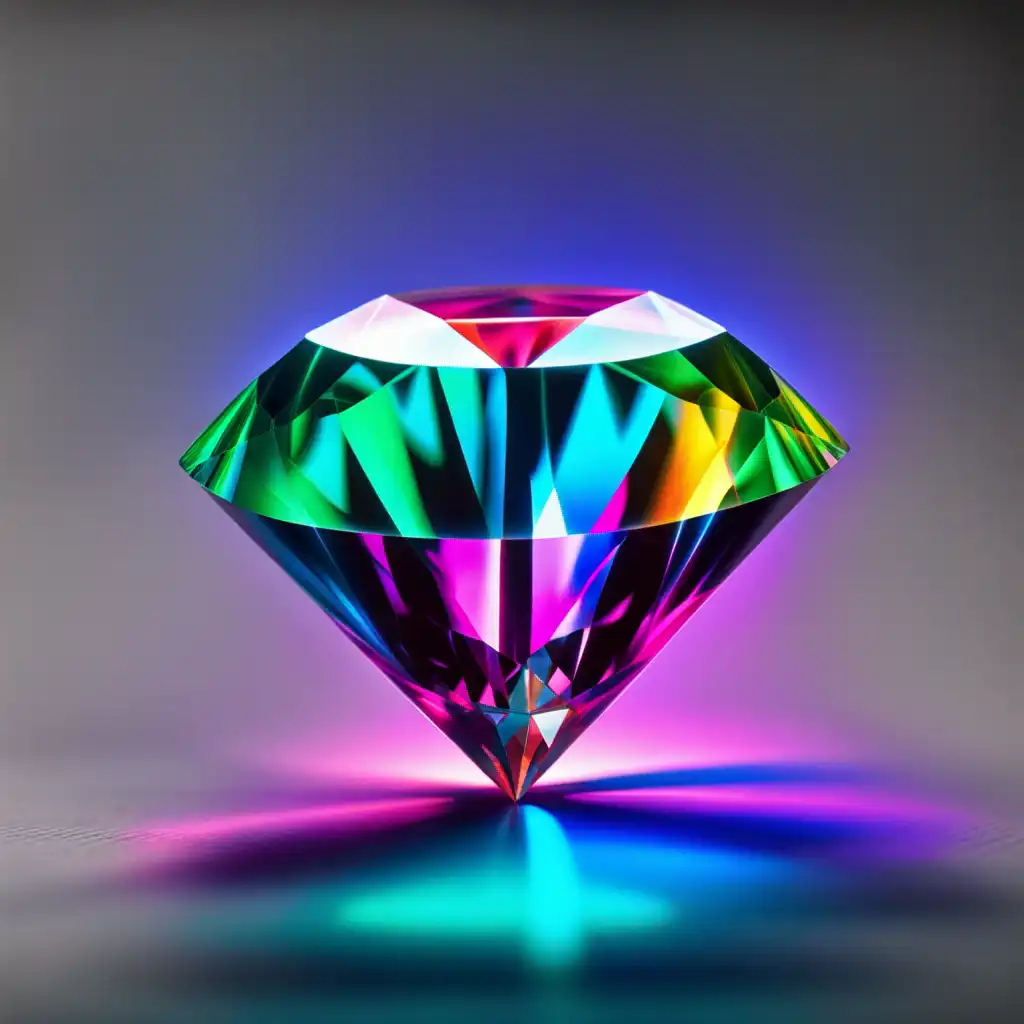
The fluorescence of the diamond was captivating.
Audio could not be loaded. Please try again later.
Fluorescence is a word used to describe a type of light. It is a special kind of light that is given off by certain materials when they are exposed to energy like sunlight or another kind of light. This light can be very bright and colorful, and it is often used in things like neon signs or glow-in-the-dark toys. Fluorescence can also be used in scientific experiments to help scientists see certain materials or molecules more clearly.
Bioluminescence refers to the ability of certain living things, such as fireflies or deep-sea creatures, to produce their own light through chemical reactions within their bodies.
Bioluminescence is useful for attracting mates, communication, and camouflage in the dark.
Bioluminescence is a natural biological process, while fluorescence is a physical property of certain substances.
Open word: Bioluminescence →Brilliance refers to the brightness and radiance of a material, such as a gemstone or a polished metal object. It is the amount of light that is reflected back to our eyes from the surface of a material.
Brilliance describes a material's ability to reflect light, while fluorescence describes a material's ability to emit light.
Brilliance is applicable when talking about the shine or sparkle of an object, while fluorescence is applicable when discussing materials that glow in the dark or under certain types of light.
Open word: Brilliance →Emission and fluorescence both refer to the way that light is produced by a substance.
Emission describes the release of light by a substance that has been excited by an external energy source (such as heat or electricity), while fluorescence specifically refers to the emission of light by a substance that has absorbed light of a certain wavelength.
In simpler terms, emission is the release of light energy that was stored in an object, while fluorescence is the emission of light by a substance after it has absorbed light energy.
Emission is applicable in a wide range of fields, from physics to environmental science, as it can be used to detect energy sources, such as radiation.
Overall, while both terms refer to the production of light, emission is a broader term, while fluorescence is a specific type of emission that is caused by the absorption of light.
Open word: Emission →This means that a substance will fluoresce when light is shone on it, but it will not glow in the dark without an external source of energy.
Glow refers to the emission of light from a substance as a result of its high temperature. This means that a substance can glow in the dark without an external source of energy if it has been heated or if it is naturally hot.
Fluorescence requires an external source of energy (such as light) to produce light, while glow is produced by a substance's own heat.
Fluorescence is often used in scientific applications for things like imaging and detection, while glow is often used to describe things like hot metal or lava.
Open word: Glow →Fluorescence and incandescence are two different ways that objects can emit light.
Incandescence refers to the emission of light as a result of heating something up until it becomes hot enough to glow. This is the process that happens in things like light bulbs and stovetop burners.
Fluorescence is a process where things emit light by absorbing energy, while incandescence is a process where things emit light by becoming very hot.
Fluorescence is often used in things like glow-in-the-dark toys and scientific analysis, while incandescence is often used in light bulbs and heating elements.
Open word: Incandescence →Irradiate means to expose to radiation or to subject to radiation. Radiation includes electromagnetic waves such as light, X-rays, and gamma rays, as well as other forms like alpha and beta particles.
Irradiation is typically used in sterilization processes or in cancer treatment, where targeted radiation can damage or destroy specific cells.
Fluorescence is a property of certain materials to emit light when excited by incoming light, while irradiate refers to the act of exposing something to radiation.
Open word: Irradiate →Fluorescence and phosphorescence are similar terms, but there is a key difference between them.
Phosphorescence is a type of luminescence where the emission of light takes place after the light source has been removed.
Fluorescence emits light while the light source is present, while phosphorescence emits light after the light source has been removed.
Open word: Phosphorescence →Fluorescence and radiance are two different concepts used in physics and chemistry. Fluorescence refers to the emission of light by a material when it absorbs light or other electromagnetic radiation.
Radiance is the measure of the amount of energy that an object radiates in all directions.
In simpler terms, fluorescence is the emission of light from a material due to absorption, while radiance is the amount of light coming from an object in all directions.
Radiance is used in physics and engineering to measure the amount of light emitted or reflected by surfaces like light sources, screens, and displays.
Open word: Radiance →This Platypus Can Glow...
Watch on YouTube ↗According to the belief, molecules closer together than 200 nanometers could not be told apart with focused light. This is because, in a packed molecular crowd, the molecules shout out their fluorescence simultaneously, causing their signal, their voices, to be confused.
Manu Prakash: A 50-cent...
Watch on YouTube ↗Earth's mysterious red...
Watch on YouTube ↗Biologist Illuminates...
Watch on YouTube ↗How does our gut talk to...
Watch on YouTube ↗Glow-in-the-dark sharks...
Watch on YouTube ↗Quyen Nguyen:...
Watch on YouTube ↗William Noel: Revealing...
Watch on YouTube ↗The Colorful,...
Watch on YouTube ↗The Last Coral Reef of...
Watch on YouTube ↗