textile
noun textile
ˈtekstaɪl
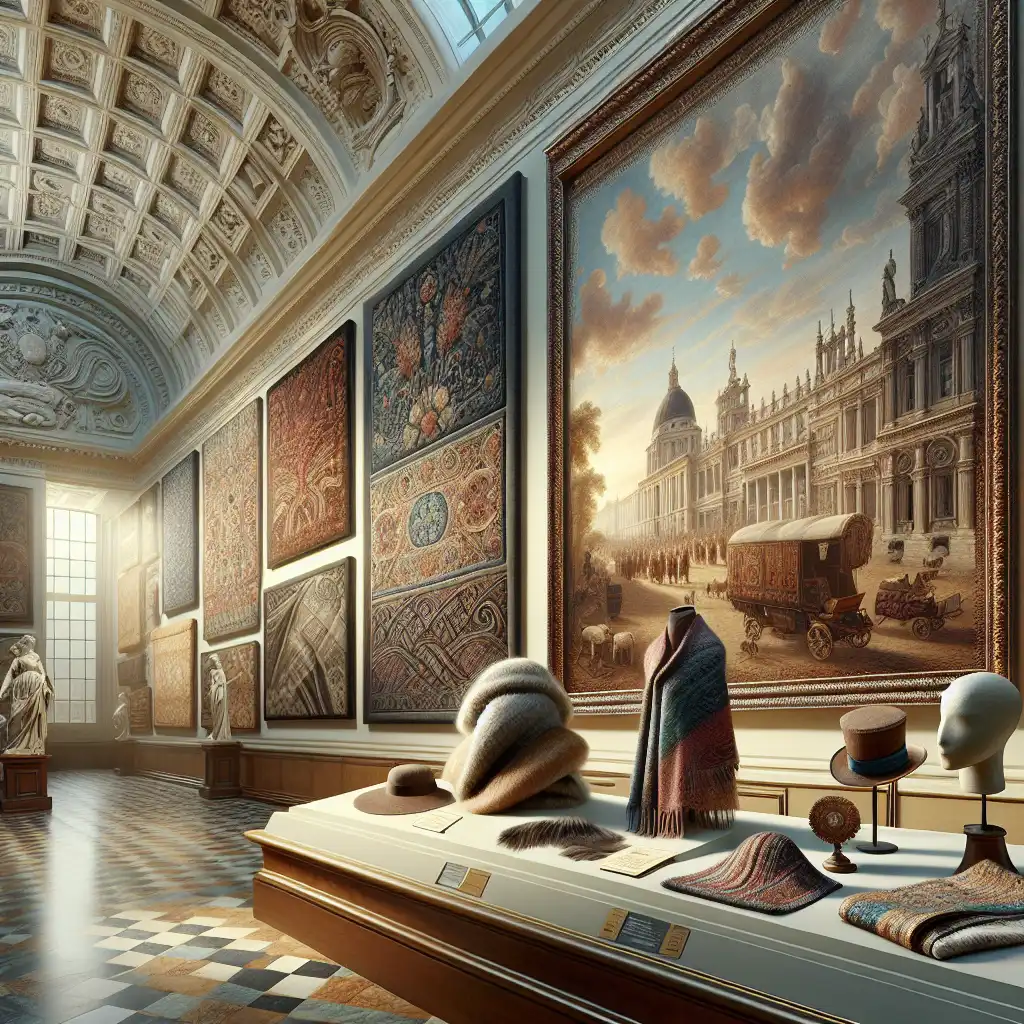
Any fabric or cloth made by weaving, felting or knitting fibres together
The museum features textiles from around the world.
textile
ˈtekstaɪl
Đang tải…
ˈtekstaɪl
Any fabric or cloth made by weaving, felting or knitting fibres together
The museum features textiles from around the world.
ˈtekstaɪl
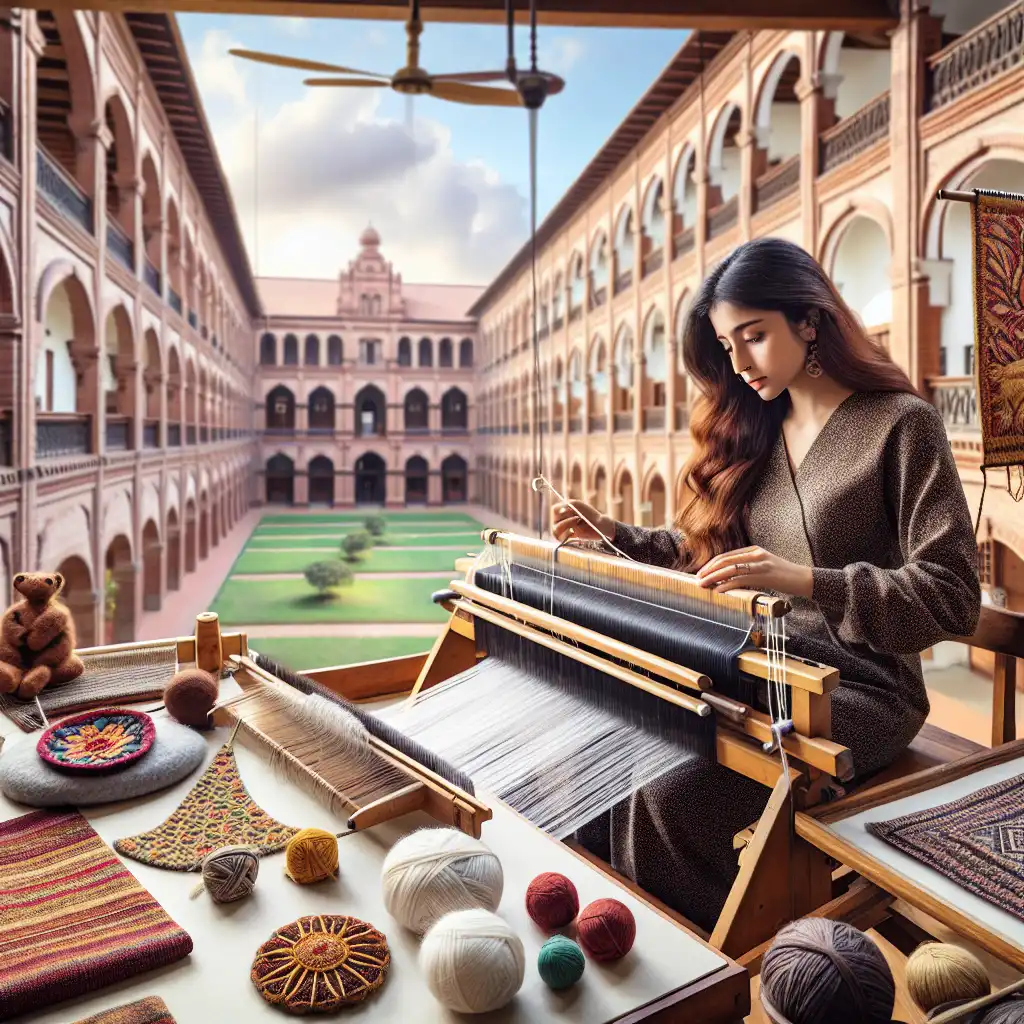
Related to the process of making fabrics by weaving, felting or knitting
She studies textile design at university.
ˈtekstaɪl
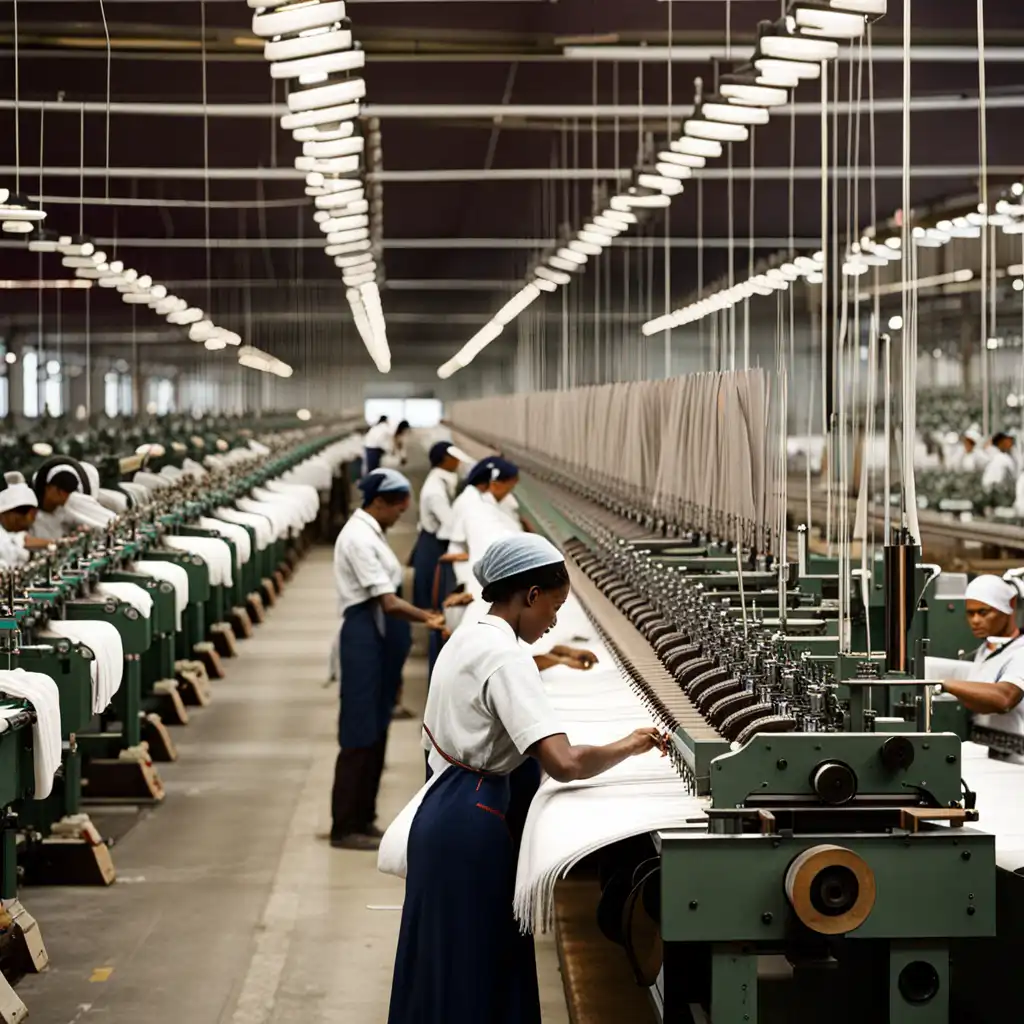
Related to the business of producing and selling cloth
The textile industry plays a crucial role in our economy.
Không tải được âm thanh. Vui lòng thử lại sau.
Textile refers to any material that is made from strands or fibers, including fabrics like cotton, silk, and wool. It is also used to describe any product that is made from these fabrics, like clothing or blankets. Textiles are often used to make household items and fashion accessories such as carpets, towels, and bags. Understanding the term textile can also be helpful in understanding the different types of materials that make up clothes or household items when shopping.
Cloth and textile are both materials made from weaving or knitting fibers together, but they are used in different contexts.
Cloth refers to a type of material that is used for clothing or fabric.
It is usually made from natural or synthetic fibers that are woven or knitted together. For example, cotton, wool, and silk are all types of cloth.
Textile is a broader term that includes any type of material made from fibers, including cloth, but also things like carpets, rugs, and even certain types of paper.
Cloth refers specifically to material used for clothing or fabric, while textile is a more general term that encompasses a wider variety of materials made from fibers.
Mở từ: Cloth →Fabric refers to the physical material that is made by weaving, knitting, or felting fibers together.
This includes fabrics as well as non-woven materials such as felt or lace.
Fabric is used more commonly to describe the finished product, while textile is used more generally to refer to any material made from fibers.
Mở từ: Fabric →Material refers to any substance or matter from which a thing is made.
The word textile is a type of material made from fibers or threads by weaving or knitting. Examples of textiles include cotton, silk, wool, polyester, and nylon.
To simplify, material can refer to anything used to make something, while textile specifically refers to fabrics made from woven or knitted fibers.
Textiles are applicable in making clothes, curtains, bedspreads, and tablecloths, while materials can be used to create a variety of things, including buildings, cars, furniture, and more.
Mở từ: Material →Thread refers to a single strand of fibers such as cotton, wool, or silk that is used to sew or stitch fabrics together.
Thread is used in a wide variety of applications, such as quilting, embroidery, and sewing clothing or accessories.
Textile refers to a finished product made from multiple threads woven together, while thread refers to the individual fibers used to create textiles through stitching or sewing.
Mở từ: Thread →Textile refers to any material made by weaving, knitting, crocheting or otherwise interlocking fibers, including yarn, thread and fabric.
Weave specifically refers to the process of interlocking two sets of threads (the warp and weft) at right angles to create a fabric.
Weaving can be done by hand or by machine, and the resulting fabric can be made from a wide variety of fibers, including cotton, wool, silk, and synthetic materials.
Textile is a broad term referring to any material made by interlocking fibers, while weave specifically refers to the process of creating a fabric by interlocking threads at right angles.
Mở từ: Weave →Textile refers to any material or fabric that is made by interweaving threads, fibers or yarns tightly together. Thus, textile is the broad category of fabric, which includes various materials like cotton, silk, jute, wool, etc.
Yarn is a long, continuous thread or strands of fibers that are spun or twisted together. Yarns are usually made from various natural and synthetic fibers, such as cotton, wool, nylon, etc.
In simpler terms, yarn is a single strand while textile is the final product that is made by weaving or knitting several yarns together.
The yarn is applicable in the production of textiles, while textile is applicable in various settings, such as clothing, upholstery, curtains, etc.
Mở từ: Yarn →and driven questionable human labor practices. It's also turned fashion into the second largest polluter in the world after oil. But there are things we can do. Consider shopping secondhand. Try to look for textiles made from recycled or organic fabrics.
Xem trên YouTube ↗I'm inspired by many things, from landscapes to textiles. Art and architecture always influence my design process.
chances of winning over the textile world are slim if they just accepted us for who we are and forget what we're wearing or not wearing I think that would be a nicer world but I know
Xem trên YouTube ↗My father was into textile painting and ran a small business. He encouraged me a lot and loved seeing my plays.
let's say for britain and its colonies is that you grow cotton in egypt you send the raw cotton from egypt to britain they're the really important and and profitable business of producing textiles this was the high tech of the
Xem trên YouTube ↗In almost every case, whenever a tariff or quota is imposed on imports, that tax is strongly supported by the domestic industry getting the protective shield from lower-priced foreign competition. The sugar industry supports sugar tariffs; textile mills lobby for tariffs on foreign clothing.
required to support our life form here on earth so I'm just going to go through it again what we do with 100 year starship is really about inclusion because we want to have the right teams we have people from textile designers to science fiction authors to biomedical
Xem trên YouTube ↗I went to school for clothing and textiles and thought this is what I was going to do. Then I started working in costumes and literally said, 'I don't know if I can take the actors.
were preserved and further developed, resulting in fundamental advancements in scientific study and mathematics. Accompanying this was an increasingly sophisticated use of abstraction and complex geometry in Islamic art, from intricate floral motifs adorning carpets and textiles,
Xem trên YouTube ↗Consulting offered me an opportunity to see a lot of different businesses in different regions of the world, to see how textiles were being affected by foreign competition, how technology was changing.
I started life as a fashion designer, working closely with textile designers and fabric suppliers. But today I can no longer see or talk to my new collaborators,
Xem trên YouTube ↗When we exited the textiles business, we paid our bankers and labourers. We must have been the only company to do that.
these early farming populations fostered the development of mathematical knowledge, advanced metallurgy. They learned to cultivate olives vines and date palms. They invented leavened bread beer, and they developed textile
Xem trên YouTube ↗We are a country of artisans and a country of manufacturing. I think Japanese textile technology is the best in the world.
although today mr. Chen sees be acupuncture as a labor of love even he once considered it taboo in fact like most of us he was afraid of bees thirty years ago mr. Chen was an executive for a textiles company then his wife began
Xem trên YouTube ↗My dad is an English teacher, and my mom is a textiles artist. My parents made my sisters and me feel that if we wanted to pursue something creative, it could be done. They've always been supportive of everything from the beginning.
Craftsmen excelled at producing luxury textiles and elaborate metalworks. They also created ceramics that were distinctly Chimu and often reflected aspects of their coastal lifestyle, such as fish otters and sea birds.
Xem trên YouTube ↗I remember at the age of five travelling on a trolley car with my mother past a group of women on a picket line at a textile plant, seeing them being viciously beaten by security people. So that kind of thing stayed with me.
Second textile. Trade is the key not aid. The U.S. and Europe should give us a zero percent tariff. The textile industry is incredibly mobile.
Xem trên YouTube ↗Textiles embody all the dimensions of art: color, innovation, talent.