putrefaction
noun putrefaction
ˌpjuːtrɪˈfækʃn
The process of decaying or rotting in a body or other organic matter.
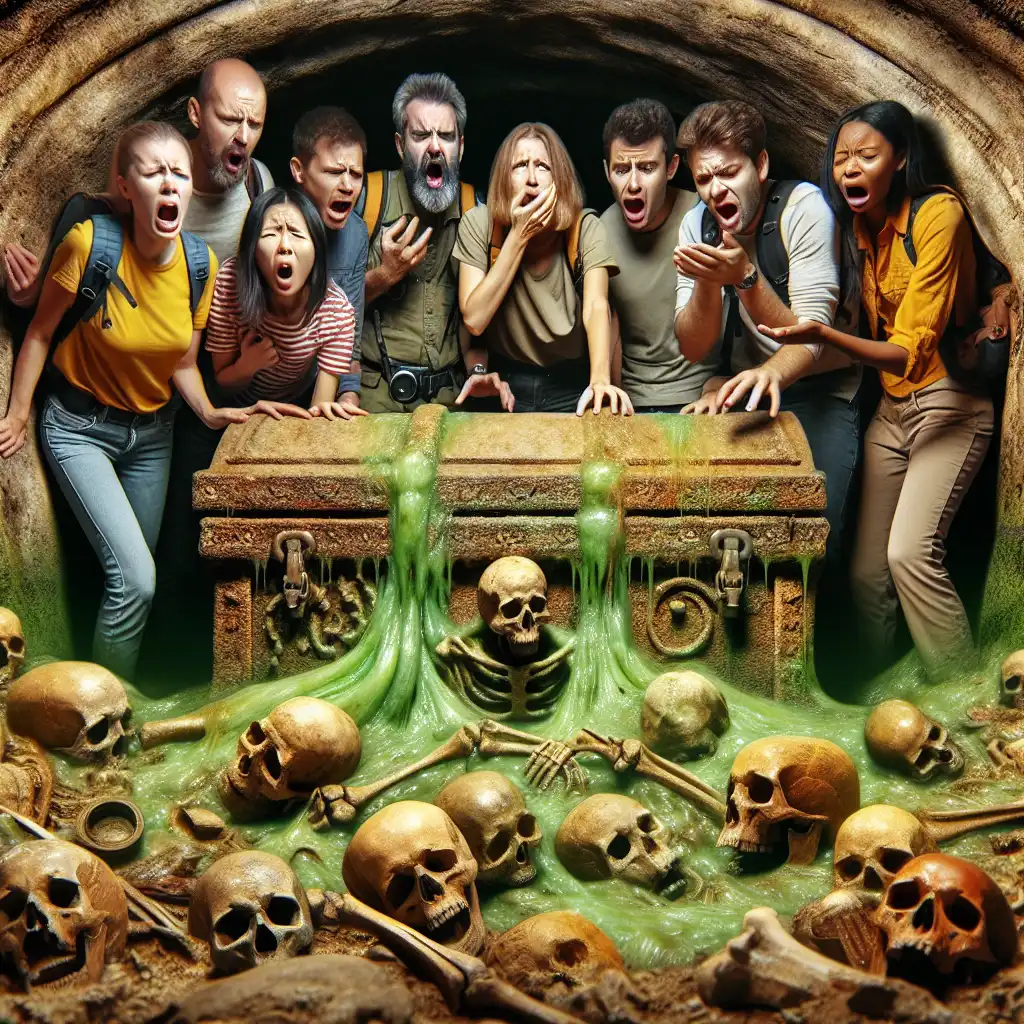
The stench of putrefaction filled the air as they opened the ancient tomb.
putrefaction
ˌpjuːtrɪˈfækʃn
加载中…
ˌpjuːtrɪˈfækʃn
The process of decaying or rotting in a body or other organic matter.
The stench of putrefaction filled the air as they opened the ancient tomb.
ˌpjuːtrɪˈfækʃn
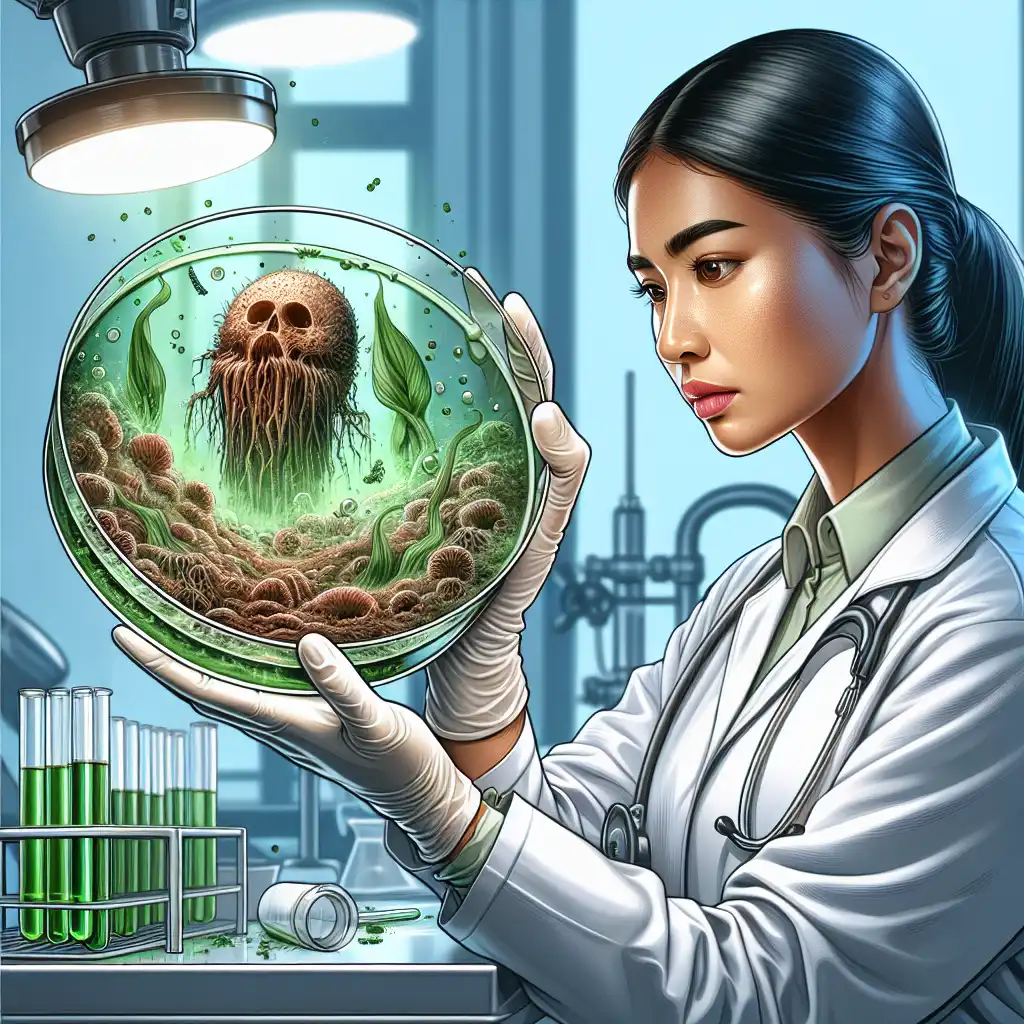
The chemical breakdown of something, especially through a bacterial or fungal action, resulting in an unpleasant smell.
Gangrene is a type of tissue death caused by a lack of blood supply and followed by putrefaction.
音频无法加载,请稍后再试。
Putrefaction refers to the process of decaying or rotting of organic matter, such as plants or animals. This can occur in natural environments like forests and rivers, or in man-made environments like garbage dumps or landfills. The word may also be used in medical or scientific settings to describe the breakdown of tissues or substances in the body.
Breakdown refers to the process of things falling apart or breaking down physically or mechanically.
Putrefaction often results in foul odors because of the gases released during the breakdown.
Breakdown refers to the physical or mechanical disintegration of things, while putrefaction refers specifically to the biological decomposition and decay of organic material.
打开单词: Breakdown →Corruption refers to the act of dishonesty, bribery or misuse of power for personal gain.
In brief, corruption is a human problem related to dishonesty and misuse of power, while putrefaction is a natural process of decay and decomposition.
打开单词: Corruption →Decay and putrefaction are both terms used to describe the process of organic matter breaking down.
Decay refers to the general process of organic matter breaking down over time through natural processes like oxidation and the activity of microorganisms.
Putrefaction refers specifically to the decomposition of an organic material caused by bacterial activity. This process is typically faster and more intense than regular decay, and produces a distinct odor caused by the release of gases like methane and hydrogen sulfide.
In sum, decay is a broad term used to describe the natural decomposition of organic matter, while putrefaction is a more specific term referring to the rapid bacterial decomposition of animal tissue.
打开单词: Decay →The words decomposition and putrefaction both refer to the breakdown of organic matter, but putrefaction specifically refers to the breakdown caused by bacteria and other microorganisms that release foul-smelling gases, while decomposition can refer to any natural breakdown process, including those that do not produce unpleasant odors.
Decomposition is applicable when referring to the breakdown of organic matter in general, such as the leaves falling off a tree and slowly breaking down over time.
The main difference between these two terms is that putrefaction specifically involves the activity of bacteria and the release of unpleasant odors, while decomposition is a more general term referring to the natural breakdown of organic matter.
打开单词: Decomposition →Deteriorate means to gradually become worse over time, and is usually applied to objects or conditions. For example, a building can deteriorate if it is not maintained properly, or a person's health can deteriorate if they do not take care of themselves.
Deteriorate describes a gradual worsening of a non-living thing, while putrefaction describes the natural process of decay in organic matter.
打开单词: Deteriorate →Disintegrate means to break down or fall apart into smaller pieces or parts. This can happen naturally over time, or it can be caused by an outside force like an explosion or natural disaster.
打开单词: Disintegrate →Rot is a more general term for the decay and deterioration of organic matter.
Putrefaction is a type of rot that involves the breakdown of organic matter by bacteria and other microorganisms, while rot refers more broadly to any type of decay or deterioration of organic matter.
打开单词: Rot →Spoil refers to the process by which something becomes unusable or undesirable, often as a result of exposure to heat, moisture or other environmental factors.
This term is often used in the context of food, where spoilage can result in mold, bacteria, or changes in taste and texture.
Putrefaction describes the natural process of decay, while spoilage describes the result of external factors that render something unfit for its intended use.
打开单词: Spoil →To die is as if one's eyes had been put out and one cannot see anything any more. Perhaps it is like being shut in a cellar. One is abandoned by all. They have slammed the door and are gone. One does not see anything and notices only the damp smell of putrefaction.