
labour
noun labour
ˈleɪbər
Work, especially hard physical work
The farmer spent a long day of labour in the fields
labour
ˈleɪbər
Cargando…
ˈleɪbər
Work, especially hard physical work
The farmer spent a long day of labour in the fields

ˈleɪbər
The process of childbirth from the start of contractions to delivery
She was in labour for 16 hours

ˈleɪbər
Work hard, make a great effort
She has been labouring to finish the project on time
ˈleɪbər
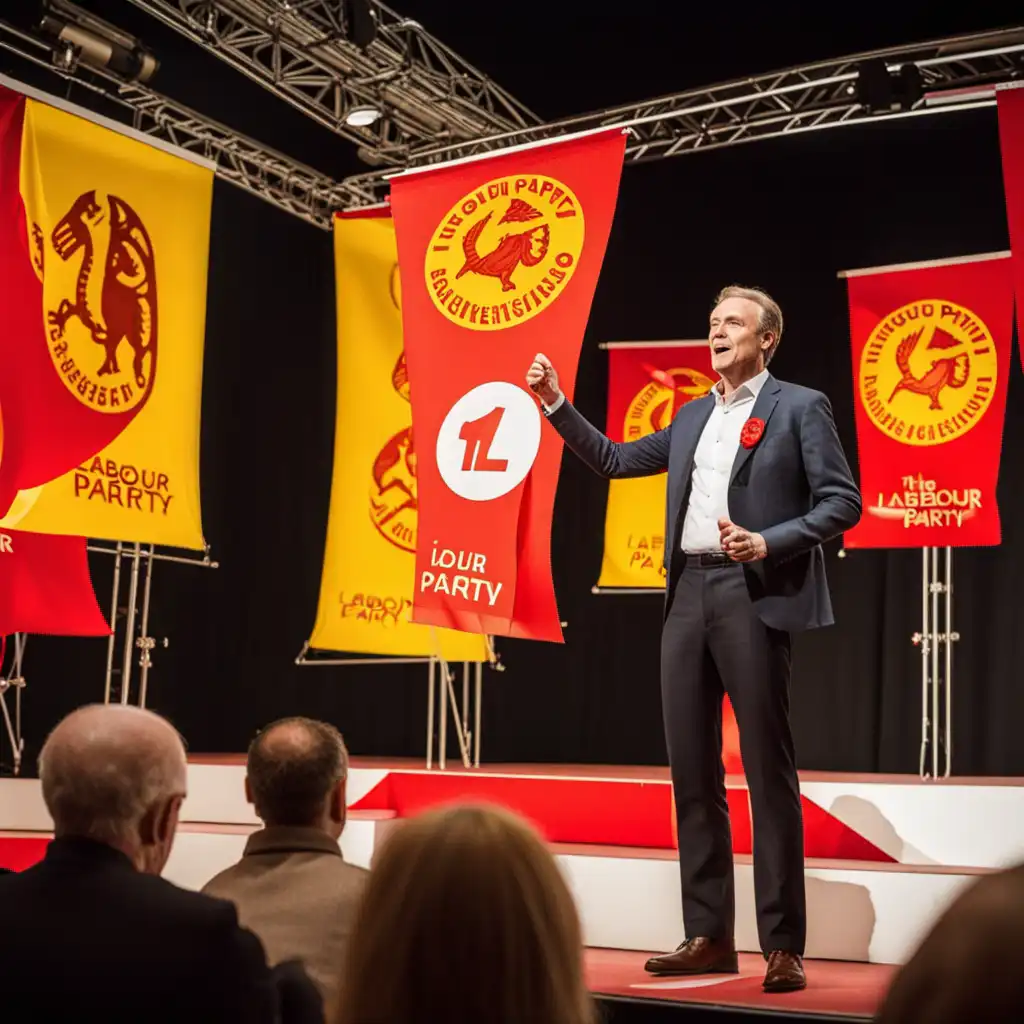
A political party advocating the rights of working people
He is a member of the Labour party
No se pudo cargar el audio. Inténtalo de nuevo más tarde.
The word 'labour' usually means the work that people do to earn money, like working at a factory, store or office. It can also refer to physical or mental effort that someone puts in to accomplish a task. It can be used in a variety of contexts, such as in discussions about the economy, workplace rights, or politics. For example, a politician might talk about creating jobs for people who need to labour to support their families. As an English learner, it's important to understand the different meanings of this word and the context in which it is being used.
Drudgery refers to work that is dull, repetitive, and unenjoyable. It implies that the work is tiresome and monotonous, often without any form of satisfaction or fulfillment.
Drudgery refers to work that is unpleasant and unfulfilling, while labour simply refers to any type of work that requires effort.
Abrir palabra: Drudgery →Effort refers to the physical or mental energy that a person puts into accomplishing a task.
Effort can be applied to tasks that require a lot of physical exertion, such as sports or exercise, as well as tasks that require a lot of mental focus, such as studying for an exam or completing a complex project.
In summary, while both words refer to work, effort has a broader range of applications and refers more to the energy put into a task, while labour is more specific to physical work done for a specific purpose.
Abrir palabra: Effort →Employ means to hire someone and pay them for their work. For example, a company might employ workers to manufacture products.
Both words are applicable in work and employment situations, but employ focuses on the act of hiring someone, while labour focuses on the effort put into the job.
Abrir palabra: Employ →Industry refers to the businesses and companies that produce goods and services, while labour refers to the people who work for those businesses and companies.
Industry is applicable in discussions about the economy, commerce and production. Labour is applicable when talking about the workforce, employment, and jobs.
Essentially, industry is the sector in which businesses operate, and labour is the sector in which people work.
Abrir palabra: Industry →Labour refers to any work or job that is done, especially when it is hard physical work or requires a lot of effort. Occupation refers to the type of work or profession that someone has chosen or trained for.
It is a broader term that encompasses a wide range of jobs and fields of expertise. While labour is applicable to any type of work that involves physical exertion or effort, occupation is applicable to any type of job or profession that a person can have, regardless of whether it requires physical effort or not.
Abrir palabra: Occupation →Sweat refers specifically to physical exertion that results in perspiration.
Sweat is often associated with hard work and can also be used figuratively to describe the effort put into achieving a goal.
Labour refers to work in general, while sweat specifically refers to physically demanding work that results in perspiration.
Abrir palabra: Sweat →Toil refers specifically to strenuous or exhausting physical labor. It implies that the work being done is difficult, unpleasant, and requires a lot of effort.
Toil is often associated with jobs that involve heavy lifting, repetitive motion, or working in difficult environments (such as extreme heat or cold).
In summary, both labour and toil refer to different types of work, but the former is a more general term while the latter refers specifically to demanding physical labor.
Labour can be applied to various kinds of jobs and tasks, while toil often implies a more difficult or challenging work environment.
Abrir palabra: Toil →Labour often refers to work that requires physical effort, such as manual labor in a factory or field.
It can also refer to the process of giving birth. Work, on the other hand, is a more general term that can refer to any task or activity that requires effort or skill, whether it is physical or mental, and may include activities such as writing, programming, or teaching.
Both words can be used in different contexts depending on the situation, but labour typically implies a more physically demanding task while work is a broader term.
Abrir palabra: Work →Birth of Twin Tiger Cubs...
Ver en YouTube ↗I am a poor man and of little worth, who is laboring in that art that God has given me in order to extend my life as long as possible.
The myth of Hercules: 12...
Ver en YouTube ↗It has so happened in all ages of the world that some have labored, and others have, without labor, enjoyed a large proportion of the fruits.
How AI can save our...
Ver en YouTube ↗Labour was the first price, the original purchase - money that was paid for all things. It was not by gold or by silver, but by labour, that all wealth of the world was originally purchased.
Tanner %\PIPE% Dangerous Jobs
Ver en YouTube ↗He mocks the people who proposes that the government shall protect the rich and that they in turn will care for the laboring poor.
How to rebuild the world...
Ver en YouTube ↗The reward of labour is life. Is that not enough?
Elephants Being...
Ver en YouTube ↗Labour grew out of popular movements of mutualism and self-help.
The design of the...
Ver en YouTube ↗I have done all the work myself, not assistants. That's why I'm in a wheelchair: I've been doing it physically - it's hard labour - throughout my life.
The history of human...
Ver en YouTube ↗Child labour is a global problem that needs a response from all sides. This means measures to help reduce poverty, improve education, enforce laws, improve employment prospects for adults, and ensure there are no benefits in employing children under working age.
3 lessons of revolutionar...
Ver en YouTube ↗Any fool can wash himself, but every wise man knows that it is an unnecessary labour, for nature will quickly reduce him to a natural and healthy dirtiness again.
The Foul Fascinating...
Ver en YouTube ↗I am positive that I would see the end of child labour around the world in my lifetime, as the poorest of the poor have realised that education is a tool that can empower them.