altitude
noun altitude
ˈæltɪtuːd
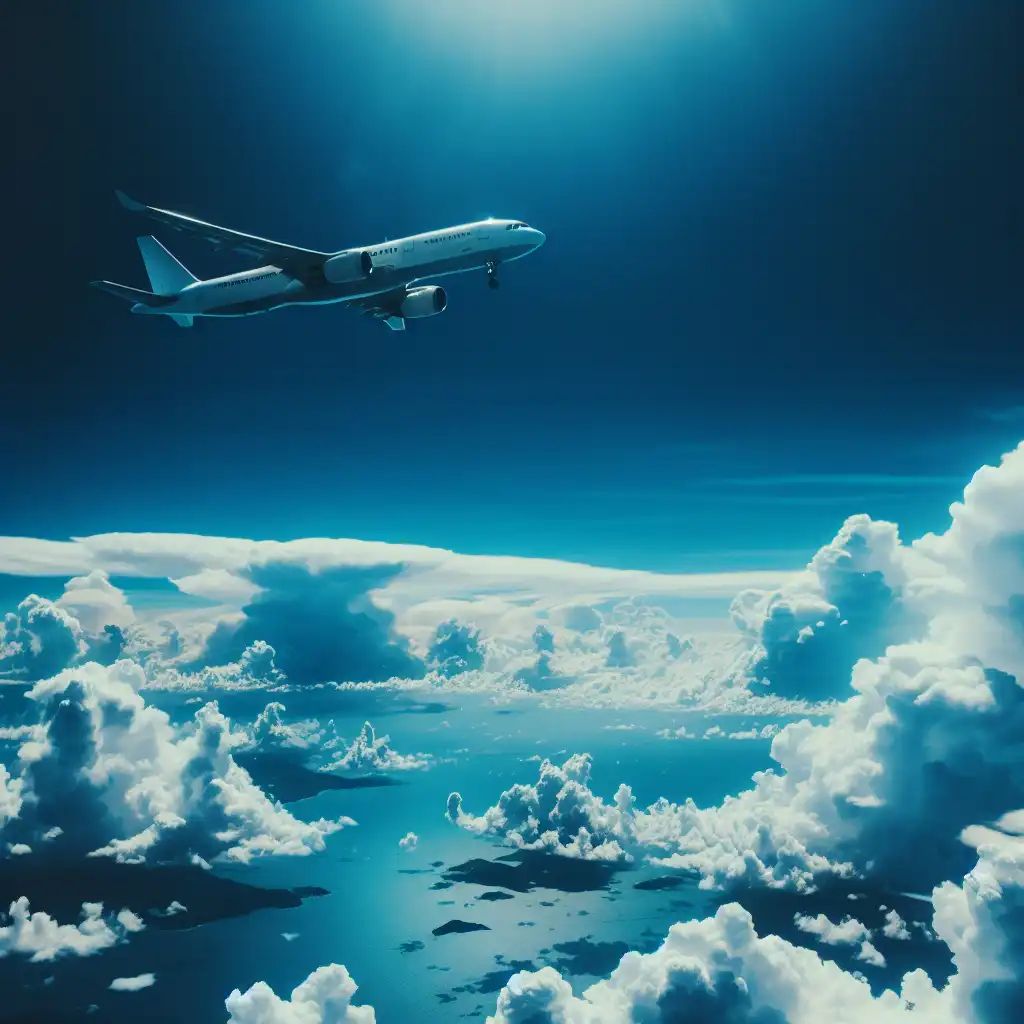
The height of an object or point in relation to sea level or ground level.
The plane was flying at an altitude of 30,000 feet.
altitude
ˈæltɪtuːd
読み込み中…
ˈæltɪtuːd
The height of an object or point in relation to sea level or ground level.
The plane was flying at an altitude of 30,000 feet.
ˈæltɪtuːd
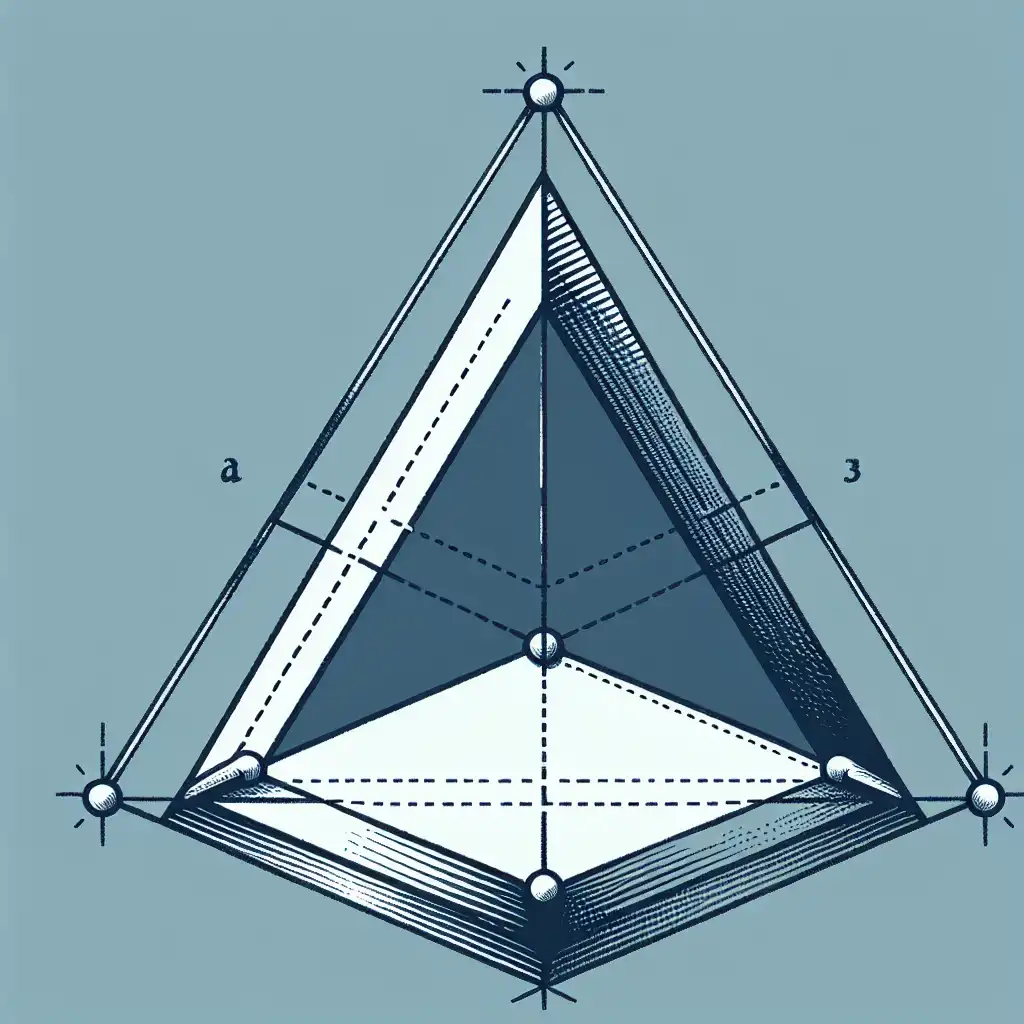
In geometry, altitude refers to the line segment drawn from the vertex of a triangle perpendicular to the opposite side (or extension of the opposite side).
The length of the altitude is the distance between the base and the vertex of the triangle.
ˈæltɪtuːd
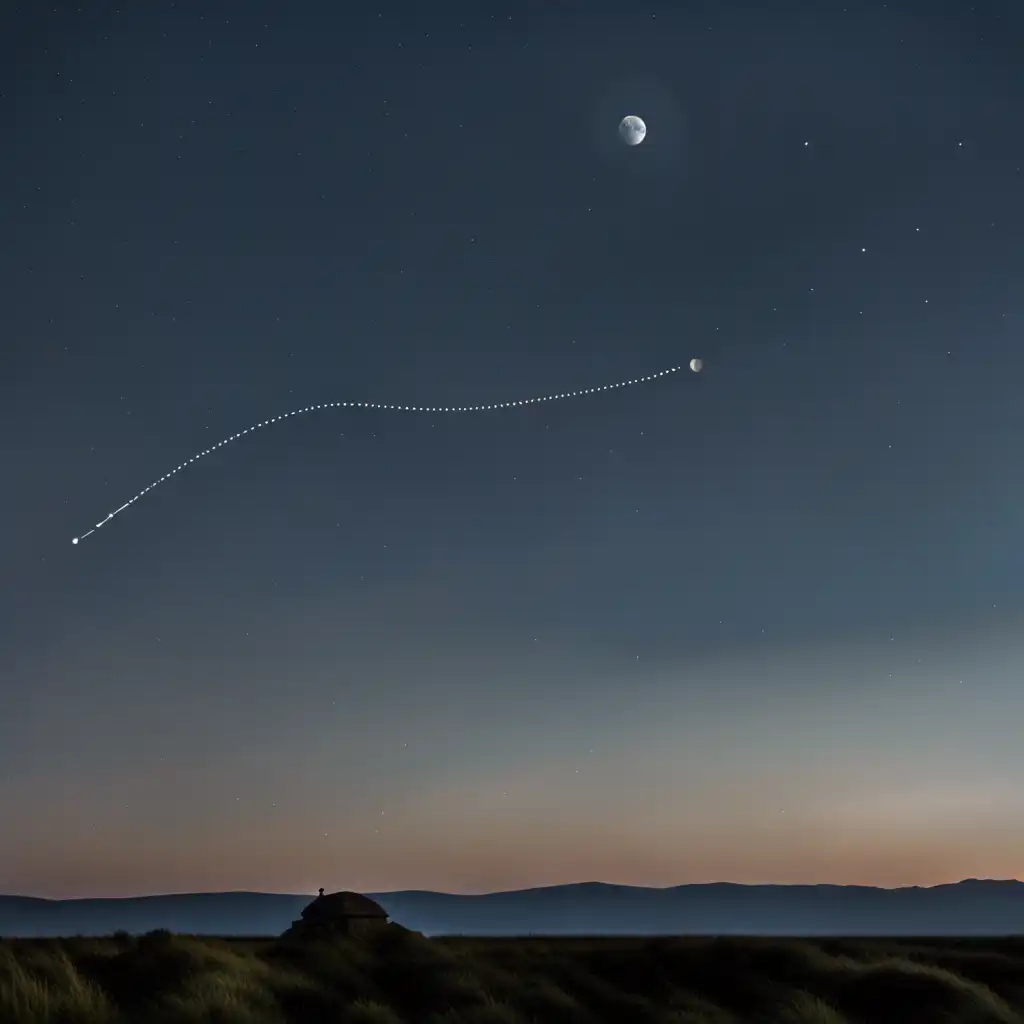
In astronomy, altitude refers to the angle between an object in the sky and the horizon.
Tonight, the moon's altitude is about 45 degrees.
音声を読み込めませんでした。しばらくしてからもう一度お試しください。
Altitude is a word that is used to talk about how high up something is. For example, if you go on an airplane, the pilot may tell you the altitude of the plane, which is how high it is in the sky. It can also be used to talk about the height of mountains or other tall structures. So, if you want to know how high something is, you can ask about its altitude.
Altitude refers to the height of an object or location above sea level, while ascent refers to the act of climbing or going up.
Ascent describes the act of climbing or moving upward. When a person hikes up a mountain or airplane takes off, it is called an ascent.
Ascent is generally used to refer to an upward movement, whether it is a physical climb, a journey to space, or even a rise in one's career or social status.
Altitude is a measurement of height, while ascent is the act of climbing upwards.
単語を開く: Ascent →Elevate means to lift or raise someone or something to a higher position or level.
For example: You can use a crane to elevate a heavy object to the second floor of a building.
Altitude is used to measure height or distance from sea level, while elevate is used to physically move or raise something higher.
単語を開く: Elevate →Altitude and height are both measurements used to describe how high something is, but they have different meanings and uses.
Altitude typically refers to the height of an object or location above sea level. This is the vertical distance between the ground or water level and a point in the air.
Height can refer to how tall or long an object is in the vertical direction. This can refer to the distance from the ground to the top of a building, the distance from the base of a tree to its highest branch, or the length of a person from their head to their toes.
Height is useful in everyday life for measuring or describing how large objects are.
Altitude is used for measuring vertical distance above sea level, while height is used for measuring how tall or long something is in the vertical direction.
単語を開く: Height →Altitude refers to the vertical height above sea level, while high refers to a position above something else, which could be relative and may not necessarily have a numerical value.
For example, a plane flying at 35,000 feet has a high altitude because it is far above sea level. A mountain that is 10,000 feet high is not necessarily at high altitude because it could be close to sea level or on a plateau.
Altitude is used when referring to a numerical measurement of height above sea level while high is used when referring to a position relative to something else.
単語を開く: High →Loftiness refers to a feeling of greatness or superiority in a non-numerical sense. It is mostly used to describe personality traits like being ambitious or having high ideals.
For example, a person's loftiness may inspire them to achieve great things in life.
Altitude is a physical measurement of height, while loftiness is a non-physical quality of being great or noble.
単語を開く: Loftiness →Altitude refers to the height of an object above sea level, whereas prominence refers to the height of a mountain or hill above its surrounding terrain.
Altitude can describe the height of an airplane or a building, whereas prominence is only applicable to topographical features such as mountains or hills.
Altitude is measured in feet or meters, while prominence is usually measured in meters or feet relative to the surrounding terrain.
単語を開く: Prominence →It is typically used when describing the height of mountains or planes during flight. Upland refers to high land that is flat or gently sloping.
So altitude is applicable when talking about extreme heights, while upland is applicable when talking about elevated flat or gently sloping land.
単語を開く: Upland →equal to that of the air outside. Of course this is no accident. It's precisely what allows us to survive in the normal atmosphere, and what makes it more difficult at high altitudes or deep water. And we normally don't feel the air pressing on us because it's generally uniform. So even though different amounts of air molecules
YouTube で見る ↗When you're climbing at high altitudes, life can get pretty miserable.
And will actually have to climb below that hanging glacier over there to the right. Once the camps get established at these higher altitudes the guides these amazing athletes they kinda snap into a new role. It's really like kitchen helpers. They're boiling water and cooking
YouTube で見る ↗Attitude determines the altitude of life.
When I was a kid, I hid my heart under the bed because my mother said, "If you're not careful someday someone's going to break it." Take it from Under the bed is not a good hiding spot. I know because I've been shot down so many times, I get altitude sickness just from standing up for myself.
YouTube で見る ↗The sun rays are more powerful at high altitudes and the snow bounces the rays right back up at you. Shiseido sun care products are epic for protecting me and not irritating my skin.
we are in powered flight for an altitude of 1 kilometer descending dating back respecting that greatest artists
YouTube で見る ↗I am not made for lonely expeditions. In the sixties, I climbed during the day so I wouldn't have to be alone. I finally learned to stay up for weeks in the high altitude all by my own without being afraid.
set at 5 000 meters at this altitude it's too harsh even for trees
YouTube で見る ↗Your attitude towards failure determines your altitude after failure.
at greater altitudes and that the sun could not be its source. The startling conclusion was that it wasn't coming from anywhere within the Earth's atmosphere but from outer space. Our universe is composed of many astronomical objects.
YouTube で見る ↗I only drink coffee grown in high altitude rain forests.
Those observations have revealed a delightfully varied world, with ground fogs, high altitude hazes, possible clouds, canyons, towering mountains, faults, craters, polar caps,
YouTube で見る ↗Training at altitude took two weeks to get used to.
It's well said. What happens if one of the engines stops? I do a roll. And then I stabilize, and according to my altitude I continue on two or three engines. It's sometimes possible.
YouTube で見る ↗To say that its wrong to feel this way is not the point; you do feel it. All you see is a flash of fire and, depending on your altitude, you don't even see that sometimes.
makes giant floating mountains. Such varied terrain is influenced by the presence of weather patterns or an atmosphere. Pluto's atmosphere is thin and reaches a high altitude due to the dwarf planet's low gravity.
YouTube で見る ↗We didn't slow down, unlike the others, when we got to the moon because we needed its gravity to get back, so we hold the altitude record. I never even thought about it. Records are only made to be broken.
is not sufficient to cover these costs. So while military aircraft conduct high speed flights over water and at high altitudes, supersonic commercial flights seemed like a brief and failed experiment. But recent advances may make them feasible again.
YouTube で見る ↗I always wanted to operate at the highest altitude, just in terms of hip-hop and the music.