
obelisk
noun obelisk
ˈɑːbəlɪsk,ˈəʊbəlɪsk
A tall, four-sided narrow monument that ends in a point at the top
The Washington Monument is the world's tallest obelisk.
obelisk
ˈɑːbəlɪsk,ˈəʊbəlɪsk
Đang tải…
ˈɑːbəlɪsk,ˈəʊbəlɪsk
A tall, four-sided narrow monument that ends in a point at the top
The Washington Monument is the world's tallest obelisk.
ˈɑːbəlɪsk,ˈəʊbəlɪsk
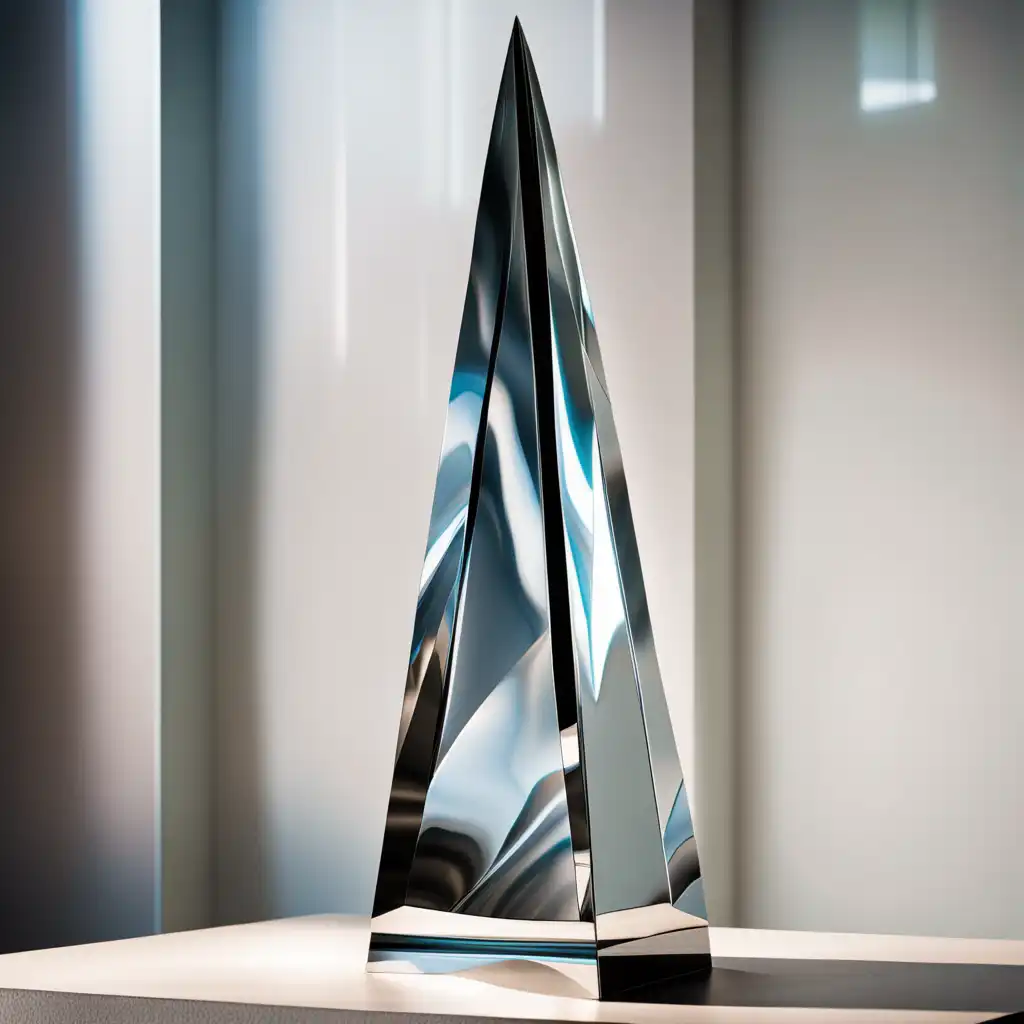
Something resembling an obelisk in shape
The artist created a modern obelisk using glass and steel.
Không tải được âm thanh. Vui lòng thử lại sau.
An obelisk is a tall, four-sided monument that looks like a tall thin pillar. It has a pointy top and a square base. Obelisks are usually made of stone and are used as a decoration or a marker in places like parks, cemeteries, or public squares. They can be found all over the world and are often used as a symbol of a country or an important event.
A cenotaph is a monument or structure that is built to honor and remember people who have died, but their bodies are not buried in that location.
Cenotaphs are typically found in cemeteries or memorial parks while obelisks can be found in public squares, national monuments, or other commemorative sites.
Mở từ: Cenotaph →A column is a vertical pillar that is usually cylindrical in shape and often found supporting a roof or other architectural structure.
The main difference between the two is their shape and purpose. Columns are used for support, while obelisks are primarily used as decorative monuments.
Mở từ: Column →A memorial is a structure or monument that is built in memory of someone or something, usually to honor their life, sacrifice or contribution.
So, while both memorials and obelisks serve as structures built to honor people or events, obelisks are specifically tall, slender stone pillars while memorials can take on a variety of forms.
Memorials can be anything from a bench in a park to a grand monument in the middle of a city, but obelisks are always a specific type of tall, four-sided structure.
Mở từ: Memorial →A monument is a structure that is built to commemorate a person, event, or significant historical happening. It may take any shape, size, and form - such as a statue, building, or memorial.
An obelisk is a type of monument that is tall and thin, with a square or rectangular base and four sides that gradually narrow towards the top, which ends in a point.
In general, monuments are more versatile in their design and use, while obelisks tend to have a more defined shape and purpose.
Monuments can be found in various public areas, such as parks, squares, and historical locations, while obelisks are often used as decorative features in gardens, as part of tombstones, or in ancient architectural designs.
Overall, we can say that all obelisks are monuments, but not all monuments are obelisks.
Mở từ: Monument →A pillar is a vertical support structure and can come in various shapes and sizes including square, round or rectangular.
Pillars are typically used to provide support or decoration for buildings, such as in classical architecture.
In summary, while both obelisks and pillars are vertical structures, obelisks are more narrow and have a pyramid-like shape at the top, and are typically used for commemoration or symbolic purposes.
Pillars are thicker and support structures in buildings or serve as decorative elements.
Mở từ: Pillar →A shaft refers to a long, thin object that is typically cylindrical or rectangular in shape.
While both words refer to tall, vertical objects, an obelisk is usually associated with commemoration or symbolism, while a shaft is more general and can refer to a wide range of objects.
Mở từ: Shaft →A spire is a tall, slender tower that usually sits on top of a building.
Spire is often found on churches, cathedrals, and other religious buildings.
An obelisk is a freestanding monument or pillar, while a spire is a decorative element that sits on top of a building. Obelisks are used to commemorate important people or events, while spires are used to add visual interest and height to a building.
Mở từ: Spire →A tower is a tall building or structure that is generally higher than it is wide and is used for various purposes such as housing, communication, etc.
The main difference between the two is their purpose and the materials they are made of. Obelisks are generally made of stone, and are often used as memorials or landmarks, whereas towers are made of various materials and are used for various purposes such as living, working, or communication.
For example, the Washington Monument is an obelisk that serves as a tribute to George Washington. A cell phone tower is an example of a tower that provides communication services to people.
Mở từ: Tower →And it was epic but like starter-kit epic. We moved on to a large swath of sky with a tear down the middle, and through the tear you could see deep parts of the cosmos. Getting closer. We evolved to standing on top of an obelisk, standing on top of a mountainside standing on top of boxes.
Xem trên YouTube ↗Washington, D.C., has everything that Rome, Paris and London have in the way of great architecture - great power bases. Washington has obelisks and pyramids and underground tunnels and great art and a whole shadow world that we really don't see.
and why in the world are there so many different time zones? The first form of telling time was the sundial and the earliest sundials known from the archaeological record are obelisks from nearly 5,000 years ago. Sundials indicate the time by casting a shadow onto a surface.
Xem trên YouTube ↗We had a lot of difficulty in getting the French to accept the pyramid. They thought we were trying to import a piece of Egypt until I pointed out that their obelisk was also from Egypt and the Place des Pyramides is around the corner. Then they accepted it. The pyramid at the Louvre, though, is just the tip.
the square here you can see an obelisk that he arranged to stand at the turning point in his Circus Circus Maximus the circus neuro Gnaeus erroneous yeah the
Xem trên YouTube ↗called the obelisk and unlike the body previously which is quite a personal piece this looks like global data so this this work is looking at lots of different basis fees and it's looking for terms that refer to crimes against
Xem trên YouTube ↗