
patrician
noun patrician
pəˈtrɪʃn
A person of high social rank or noble by birth.
He was born into a patrician family.
patrician
pəˈtrɪʃn
Chargement…
pəˈtrɪʃn
A person of high social rank or noble by birth.
He was born into a patrician family.

pəˈtrɪʃn
Relating to people of high social rank.
He has a patrician taste in art.

pəˈtrɪʃn
A wealthy upper-class citizen of ancient Rome.
The patricians were the ruling class of ancient Rome.
pəˈtrɪʃn
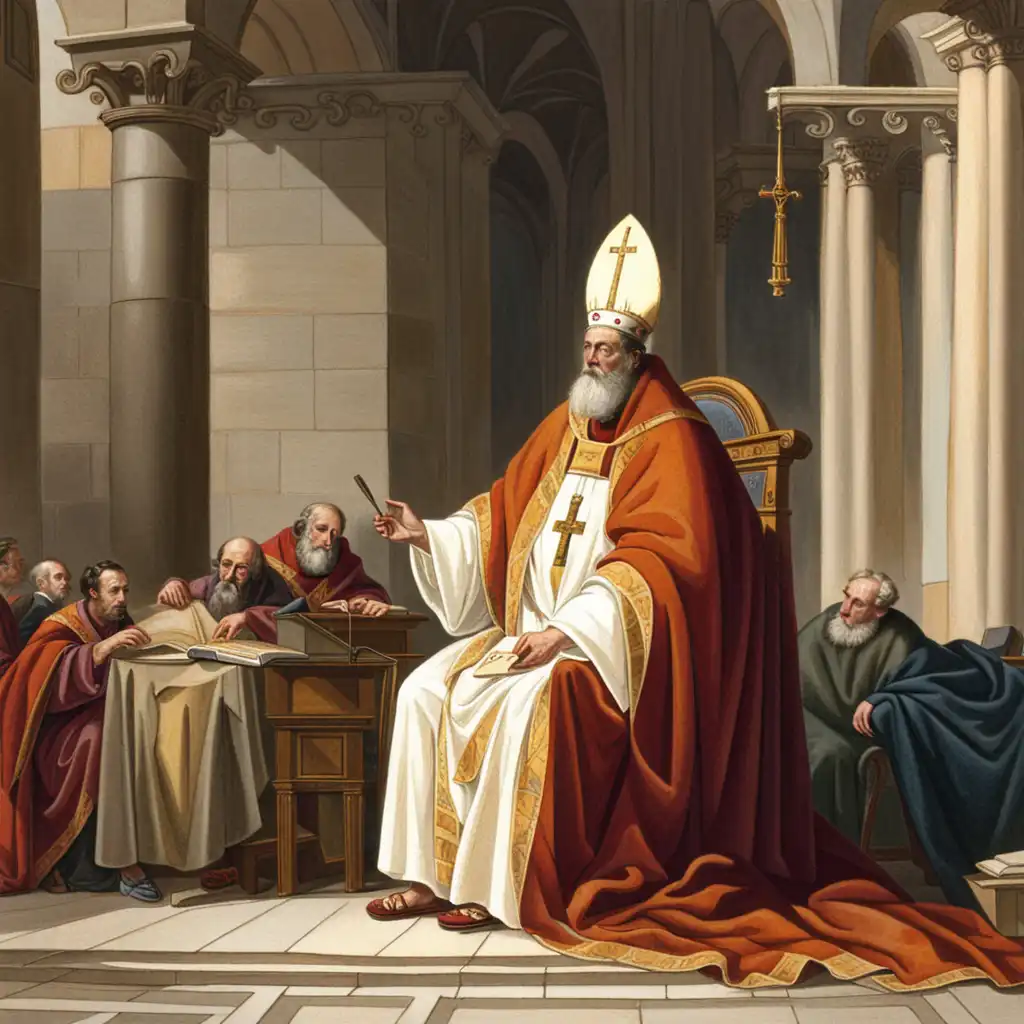
In the early Christian church, a designation for a bishop or senior church authority.
In early Christianity, the term patrician was used to refer to the Pope and bishops.
Impossible de charger l’audio. Réessayez plus tard.
The word 'patrician' refers to someone who comes from a high social class or wealthy family. It can be used to describe someone who is influential or holds great power in their community. For example, a US senator or a billionaire business person could be considered a patrician. The word is often used in describing historical societies or political systems.
Both aristocrat and patrician refer to people of high social standing, but there are some differences.
Aristocrat generally refers to someone who comes from a family of noble birth or has inherited wealth and privilege. This means that someone can be considered an aristocrat even if they don't hold a high position in government or have any political power.
So, while both words refer to people of high social standing, aristocrat is a more general term that can apply to anyone with inherited wealth or privilege, while patrician is more closely tied to a particular historical period and can refer to those with a specific type of education and cultural background.
Ouvrir le mot: Aristocrat →Elite refers to a group of people who are considered to be the best or most skilled in a particular field or society.
Examples of elite groups include the elite athletes or the elite class.
Elite refers to a group of people who are exceptional in their field, while patrician refers to a group of people who are of noble or high social status.
Ouvrir le mot: Elite →Exalt means to praise or lift something or someone up, to give them high praise or honor.
It can be used in many contexts, like "I exalt the virtues of honesty and hard work." Patrician refers to someone who is of high social class or nobility.
Ouvrir le mot: Exalt →The words gentry and patrician both refer to members of the upper class, but they have different meanings and origins.
Gentry typically refers to people who are considered part of the landed aristocracy or upper class in England. These are people who own large estates or land and generally have a high social status.
The term gentry originated in medieval times and was used to describe the class of people who were below the nobility, but above the commoners.
The gentry are essentially the upper-middle class or minor nobility.
To summarize, gentry refers specifically to the upper-middle class or minor nobility in England, while patrician is a more general term that can refer to members of the upper class in any society.
Ouvrir le mot: Gentry →Lordly refers to someone who behaves in a haughty or superior manner, often associated with a sense of entitlement or arrogance.
Overall, while both words describe people of elevated social status, lordly has a negative connotation of arrogance, while patrician emphasizes refinement and sophistication.
Ouvrir le mot: Lordly →A magnate is a person who has great wealth and power in business or industry. They are often owners or CEOs of large corporations and have significant control over economic sectors.
The term magnate has a sense of financial power and influence.
Magnate refers to those who have amassed wealth through business and industry, while patrician refers to those who have inherited wealth and social status through their family lineage.
Ouvrir le mot: Magnate →Noble refers to someone who belongs to the aristocracy or has high moral values.
In modern times, noble is a more commonly used term to refer to someone who is revered for their qualities, while patrician is more of an outdated term that is used in historical contexts.
Ouvrir le mot: Noble →Upper class can refer to the wealthy and influential people of any society or time period.
Upper class denotes a social class that is at the top of the societal hierarchy, typically with significant wealth and privilege.
Ouvrir le mot: Upper class →Who were the Vestal...
Voir sur YouTube ↗Diplomacy has always involved dinners with ruling elites, backroom deals and clandestine meetings. Now, in the digital age, the reports of all those parties and patrician chats can be collected in one enormous database. And once collected in digital form, it becomes very easy for them to be shared.
Inside a Baby Sloth...
Voir sur YouTube ↗To allow the policy question of same-sex marriage to be considered and resolved by a select, patrician, highly unrepresentative panel of nine is to violate a principle even more fundamental than no taxation without representation: no social transformation without representation.
One of the disadvantages of being a patrician is that occasionally you're obliged to act like one.
When I speak English, I've been told, I have this patrician way of speaking that's very irritating. It's the whole class thing.
Julia Louis-Dreyfus is just perfect in 'Veep.' She gets to show off the spiky claws beneath her patrician finesse. The obvious way to play 'Veep' would be to make Louis-Dreyfus a folksy heroine, one with more common sense or populist heart than her enemies. But she isn't one.
High-level political wives are by no means new. In the 18th and 19th centuries, when patricians dominated British political life, it was common for politicians' spouses to play an active political role.
Suits are malevolent magicians' sleeves for socialists, full of patrician loops and tricks, small, embroidered, cryptic messages of deference and privilege. They are ever the uniform of the enemy. They are also the greatest British invention ever.
I do not mourn the death of the printed letter in a snobby, East Coast, patrician way - 'Where have our manners gone?' - but because I love objects, I love paper, and I love something that I can hold to my chest for a moment. Still, I bear no grudge against the e-mail form itself.
James Goldsmith is important because he used the power of the markets to break up the cosy patrician elite that ran Britain and its industries in the 1950s and '60s. In the process, Goldsmith helped transfer power in this country away from politics and towards the markets and the financial sector.
Le Carre's voice - patrician, cold, brilliant and amused - was perfect for the wilderness-of-mirrors undertow of the Cold War, and George Smiley is the all-time harassed bureaucrat of spy fiction.