gusher
noun gusher
ˈɡʌʃər
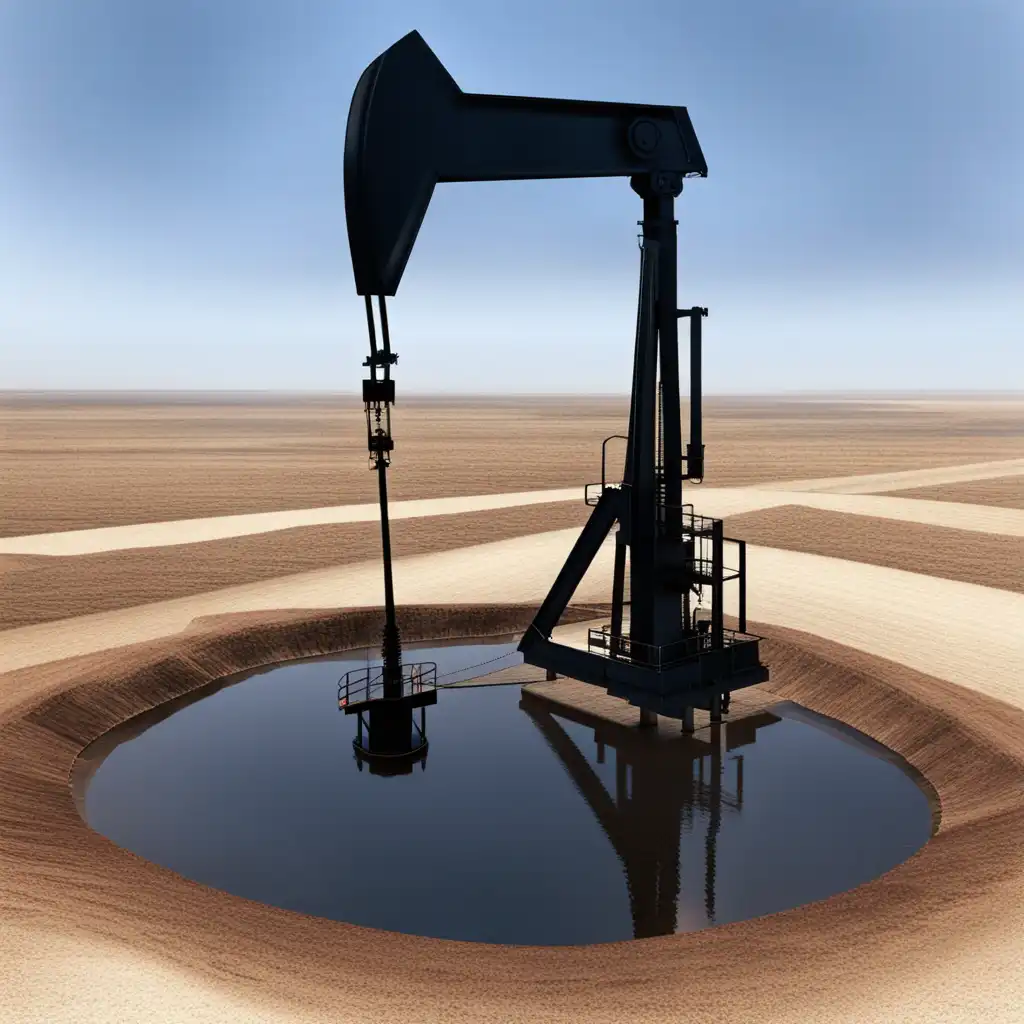
An oil well that produces a large amount of oil in a great rush
When they struck oil, the well became a gusher shooting oil high into the air.
gusher
ˈɡʌʃər
読み込み中…
ˈɡʌʃər
An oil well that produces a large amount of oil in a great rush
When they struck oil, the well became a gusher shooting oil high into the air.

ˈɡʌʃər
A person who expresses emotions in a very free and open way
She's such a gusher, constantly telling everyone how much she loves her job.

ˈɡʌʃər
Something that provides a large amount or abundant supply of something else
His first novel was a gusher, generating a lot of income for him.
音声を読み込めませんでした。しばらくしてからもう一度お試しください。
The word 'gusher' is often used to describe a sudden and strong flow of something like water, oil or even emotions. For example, if water suddenly bursts out of a pipe, that can be called a gusher. Additionally, if someone suddenly starts crying and expressing their emotions strongly, that can also be described as a gusher of tears. It's a way to describe a sudden and forceful flow of something.
Burst means to suddenly break open or apart, often with a loud noise, and release something rapidly.
This word is used for things like balloons, pipes, or dams that suddenly break open and release a sudden burst of air, water, or other substance.
Burst is used for sudden and explosive release of any substance, whereas gusher is specifically used for sudden and abundant flow of liquid, typically from a well or a natural spring.
単語を開く: Burst →An eruption is a sudden and violent release of something, usually from a volcano, which includes lava, ash, and gases. It is applicable when there is a lot of pressure built up and something bursts out explosively.
An eruption is associated with volcanoes, while a gusher is associated with oil wells.
単語を開く: Eruption →A flood is a natural disaster that occurs when it rains heavily or when a body of water overflows its boundaries.
Floods can also be caused by other natural phenomena such as tsunamis and hurricanes.
In summary, floods are natural disasters that cause damage and disruption to communities, while gushers are sudden and strong flows of liquid from a well or other source.
単語を開く: Flood →A fountain is a decorative structure that water flows out of, often in a controlled or gentle manner. It is a man-made structure and is often used to enhance the beauty of a garden or park.
A fountain is a decorative structure that is man-made and has controlled water flow, while a gusher is a natural occurrence with uncontrolled water flow.
Fountains are used for aesthetic purposes while gushers are natural phenomena.
単語を開く: Fountain →A geyser is a natural hot spring that periodically erupts with boiling water and steam.
It is typically found in geothermal areas and is caused by underground volcanic activity. Geyser eruptions are typically very powerful and can reach heights of up to several hundred feet.
It is not related to geothermal activity like a geyser is. Gushers are characterized by a sudden rush of oil that can shoot out of the well at high pressure, similar to a water geyser.
A geyser is a hot spring that erupts with boiling water and steam due to underground volcanic activity, while a gusher is a term used to describe oil wells that produce large amounts of oil when drilled.
単語を開く: Geyser →A gusher typically has a more random direction of flow and a shorter duration than a jet.
A jet is a continuous and focused stream of liquid that is propelled by a pressurized source. Jets are often used in water or air transport systems and can be controlled to change direction and speed.
Jets are also used to describe the exhaust from airplane engines or high-pressure water spray used for cleaning or firefighting.
In summary, gushers are sudden and forceful bursts of liquid, while jets are continuous and controlled streams of liquid.
Gushers are often found in natural resources such as oil wells, while jets are used in many different industries such as transport and fire control.
単語を開く: Jet →A gusher refers to a sudden and powerful flow of a liquid or oil, whereas an outburst is a sudden and intense expression of a feeling or emotion, often in words or actions.
An outburst might be used to describe a sudden and intense display of anger, laughter, or other emotions. It is applicable when talking about intangible things like feelings, emotions, or speech, rather than physical objects or substances.
単語を開く: Outburst →Stream refers to a continuous flow of liquid that moves steadily and smoothly, like a river or a stream of water from a faucet.
The main difference between the two words is that gusher implies a sudden and forceful release of liquid, whereas stream implies a steady and controlled flow of liquid.
単語を開く: Stream →Naomi Klein: Addicted to...
YouTube で見る ↗With epidemics, people have been standing on the shore, waiting for the gusher to hit the ocean. But to prevent epidemics, you have to look at the various little sources that feed into the river.
"Dumbo," Other Deep-Sea...
YouTube で見る ↗Places change over time with or without oil spills, but humans are responsible for the Deepwater Horizon gusher - and humans, as well as the corals, fish and other creatures, are suffering the consequences.
The material came bubbling up inside like a geyser or an oil gusher. It streamed up of its own accord, down my arm and out of my fountain pen in a torrent of six thousand words a day.