
iconoclastic
adjective iconoclastic
aɪˌkɑːnəˈklæstɪk
Criticizing or attacking cherished beliefs or institutions.
He authored an iconoclastic report challenging the long-held belief that the earth was flat.
iconoclastic
aɪˌkɑːnəˈklæstɪk
불러오는 중…
aɪˌkɑːnəˈklæstɪk
Criticizing or attacking cherished beliefs or institutions.
He authored an iconoclastic report challenging the long-held belief that the earth was flat.
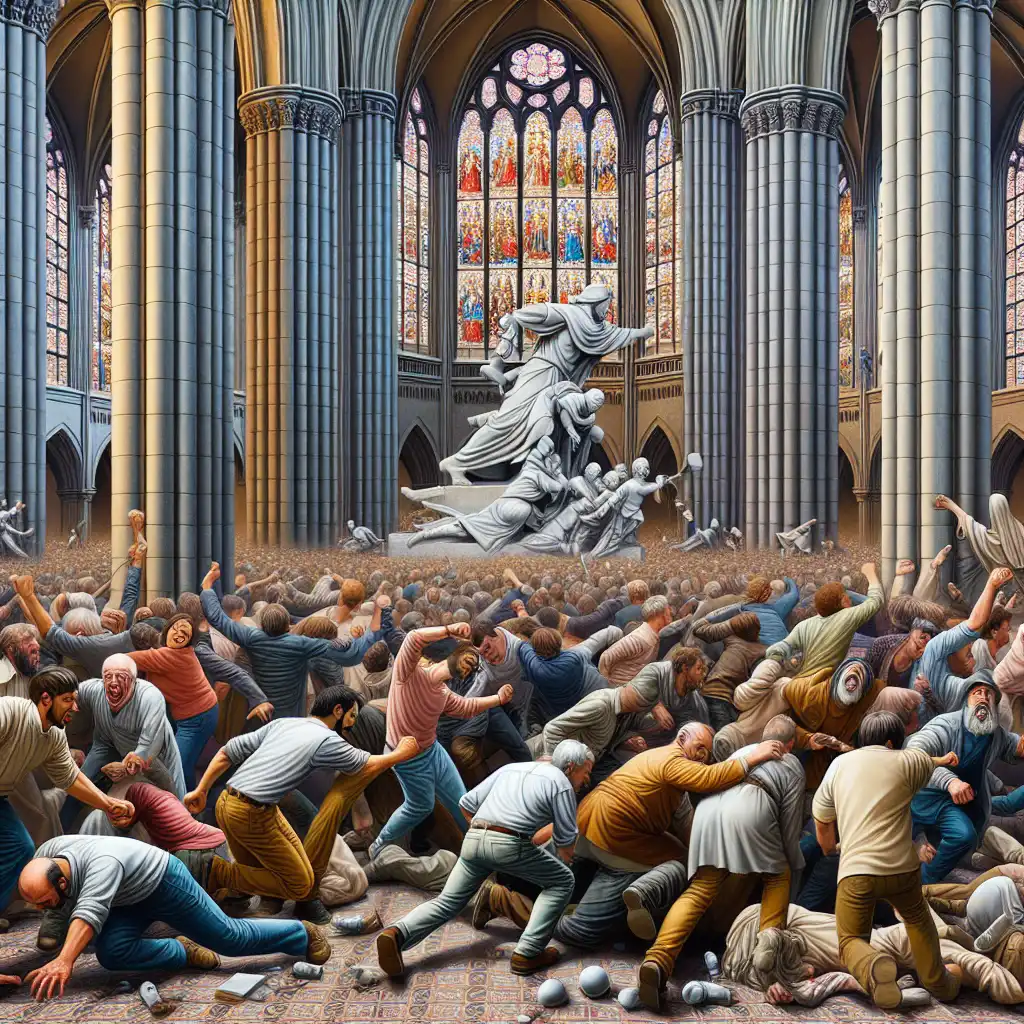
aɪˌkɑːnəˈklæstɪk
Breaking or destroying images, especially those set up for religious veneration.
An iconoclastic mob burst into the cathedral and began overturning statues.
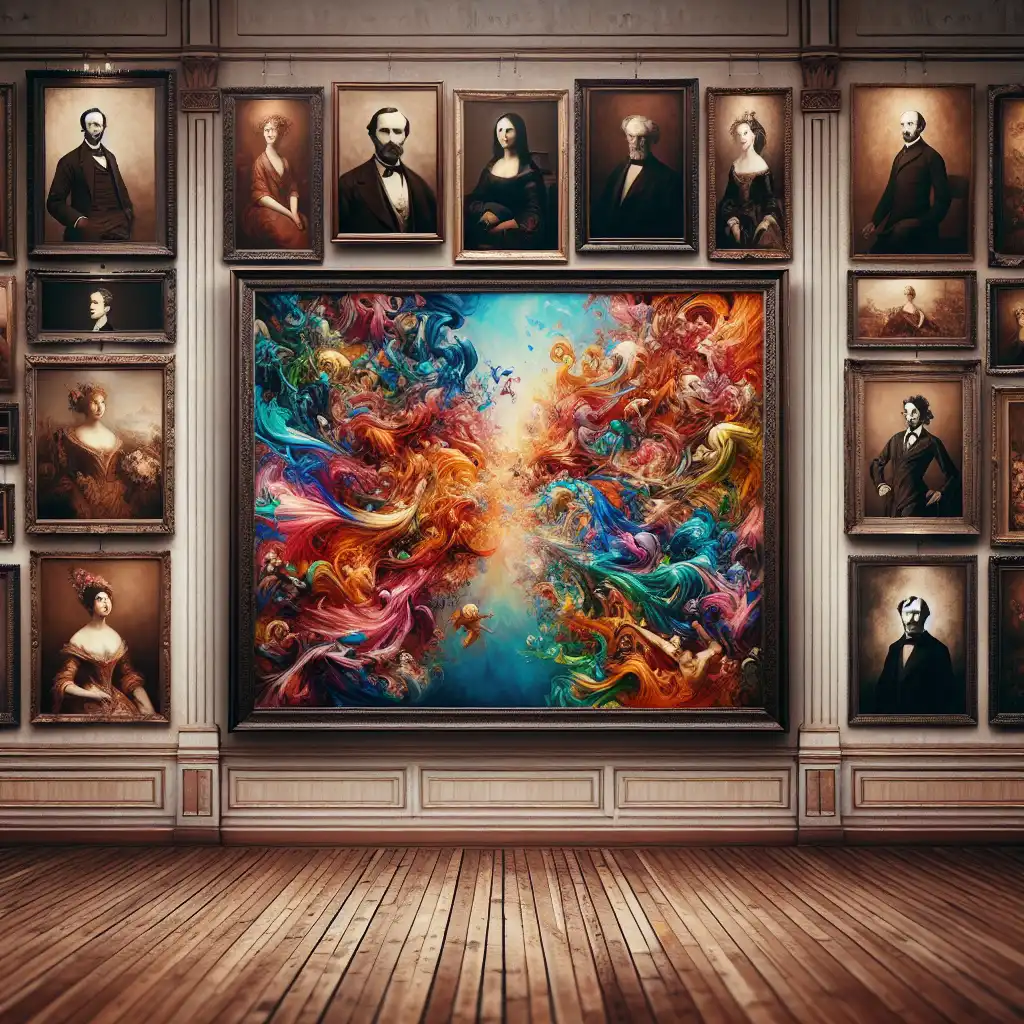
aɪˌkɑːnəˈklæstɪk
Characterized by or given to iconoclasm, or the destruction of religious images.
His iconoclastic paintings stood out in the otherwise traditional art gallery.
오디오를 불러오지 못했어요. 잠시 후 다시 시도해 주세요.
The word 'iconoclastic' is used to describe someone or something that challenges traditional beliefs or ideas. It is often used to describe a person who goes against the norm or breaks the rules. For example, a musician might be considered iconoclastic if they create music that breaks away from traditional genres or if they use innovative techniques to produce their music. The word can be used in both positive and negative contexts, depending on the person or thing being described.
Conventional refers to something that is usual, common or typical, while iconoclastic refers to something that challenges or breaks away from traditional or established norms.
Conventional is applicable in situations where things are done in a regular or expected way, while iconoclastic is applicable in situations where someone or something is pushing the boundaries and doing things differently.
For example, a person following a traditional career path would be considered conventional, while someone who decides to pursue an unconventional career such as being a professional video game player would be considered iconoclastic.
단어 열기: Conventional →Dissent means to express a disagreement or opposition to something.
It is usually used when talking about ideas or opinions that differ from the norm or the majority. For instance, a person might dissent from the idea that climate change is not real.
In simpler terms, dissent refers to disagreeing with something or someone in particular, while iconoclastic refers to challenging or breaking the norms or traditions in general.
단어 열기: Dissent →Heretical refers to beliefs or actions that go against established religious or cultural norms.
Heretical is typically reserved for discussions of religion, while iconoclastic is more often used to describe those who challenge established norms in other fields like politics or art.
단어 열기: Heretical →Innovative refers to ideas or actions that bring new and creative improvements or changes to something established.
In simple terms, being iconoclastic means you challenge and break traditions, while being innovative means you come up with new and creative ideas or improvements.
단어 열기: Innovative →Nonconformist, on the other hand, describes someone who doesn't conform to the expectations or norms of society.
To summarize, iconoclastic is more commonly used when challenging established ideas or beliefs, while nonconformist focuses more on challenging societal norms and expectations.
단어 열기: Nonconformist →Orthodox means conforming to established beliefs or practices. It is applicable when talking about something that is done or believed in accordance with traditional ideas or teachings.
단어 열기: Orthodox →Both iconoclastic and radical refer to ideas or people that challenge established beliefs or systems.
Radical suggests a more extreme departure from the status quo. The term often implies a desire for fundamental or systemic change, rather than just questioning or challenging existing beliefs.
Radical ideas or movements seek to upend established power structures or institutions. For example, a radical political party might advocate for the complete overhaul of a government system, while a radical environmentalist might call for drastic action to stop climate change.
So, while both terms are used to describe ideas or people that go against the norm, iconoclastic tends to be more focused on challenging established ideas, while radical implies a desire for more drastic change.
단어 열기: Radical →Iconoclastic means carefully challenging established beliefs, while rebellious means opposing authority, rules, or conventions.
Rebellious is applicable when someone is openly resisting authority or breaking the rules without regard for the consequences.
Iconoclastic is more positive and focused on intellectual exploration, while rebellious is more negative and focused on defiance of authority.
단어 열기: Rebellious →Vik Muniz: Art with...
YouTube에서 보기 ↗American culture is CEO obsessed. We celebrate the hard-charging heroes and mythologize the iconoclastic visionaries. Those people are important.
Well, American composers are the best composers. At this time in the world, we are where the energy is. We are the most diverse, the most iconoclastic, the most maverick, and the most skillful.
I really like iconoclastic casting. I really do.
When you're young, you don't feel iconoclastic - you're just kind of doing what seems natural, what moves you.
I will concede to you one thing - 'Hustler' is offensive, even to the point of being iconoclastic. That's our purpose - to be offensive.
Original thought, original artistic expression is by its very nature questioning, irreverent, iconoclastic.
I started casting. I cast music videos, but I kept getting fired from jobs because I was iconoclastic in my ways of casting.
The iconoclastic mode, that specific mode of language, there is an element of it that it is punk - that is confrontational. That's just a part of the language of jazz - at a certain point.
Blessed with Mom and Dad's remarkable genes, raised on big words and big, iconoclastic attitudes, Larry and I, before entering kindergarten, knew who we were, what we wanted, and how we would get there.
The avant-garde theater is fun; it is free-swinging, bold, iconoclastic, and often wildly, wildly funny. If you will approach it with childlike innocence - putting your standard responses aside, for they do not apply - if you will approach it on its own terms, I think you will be in for a liberating surprise.