muscle
noun muscle
ˈmʌsl
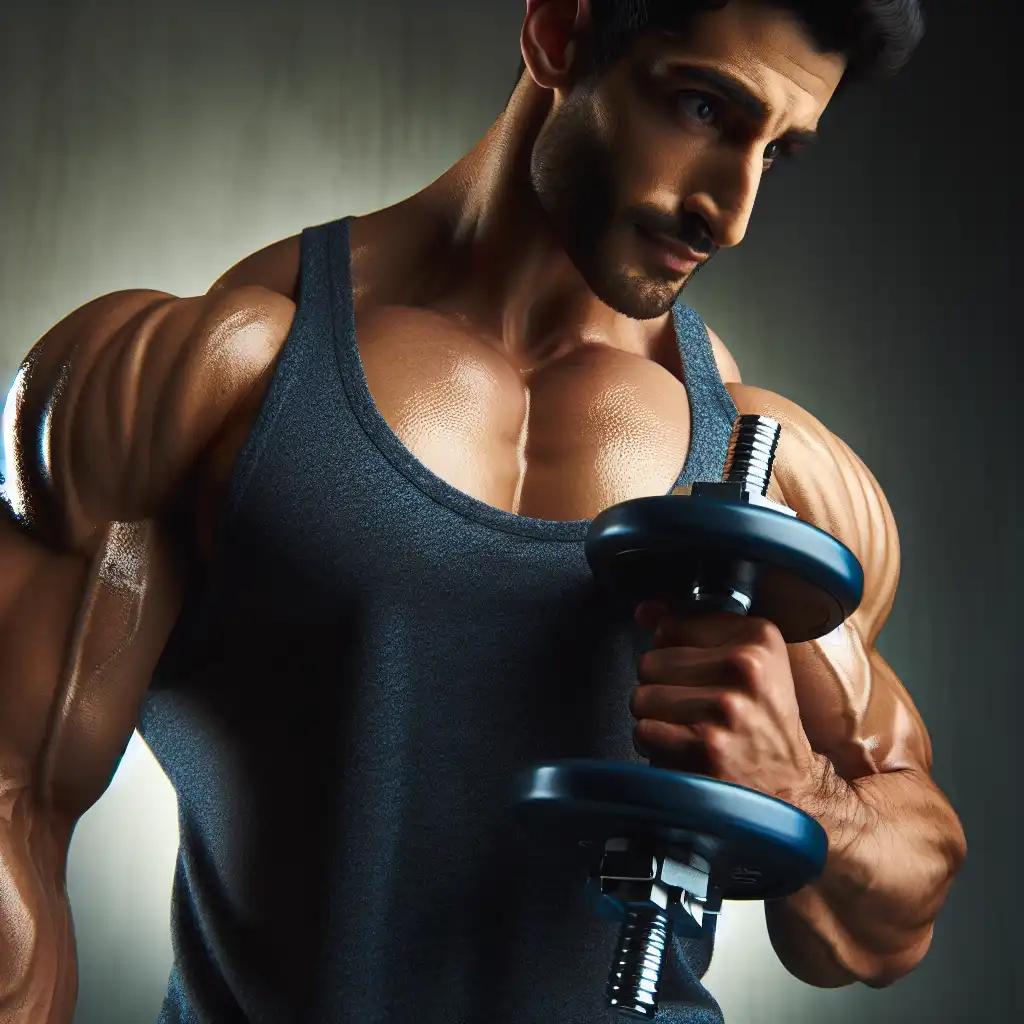
A part of your body that you use to move or lift things
She strained a muscle lifting weights.
muscle
ˈmʌsl
読み込み中…
ˈmʌsl
A part of your body that you use to move or lift things
She strained a muscle lifting weights.

ˈmʌsl
Power or strength
The team showed their muscle by winning the championship.

ˈmʌsl
To force one's way into something
He muscled his way into the position.
ˈmʌsl
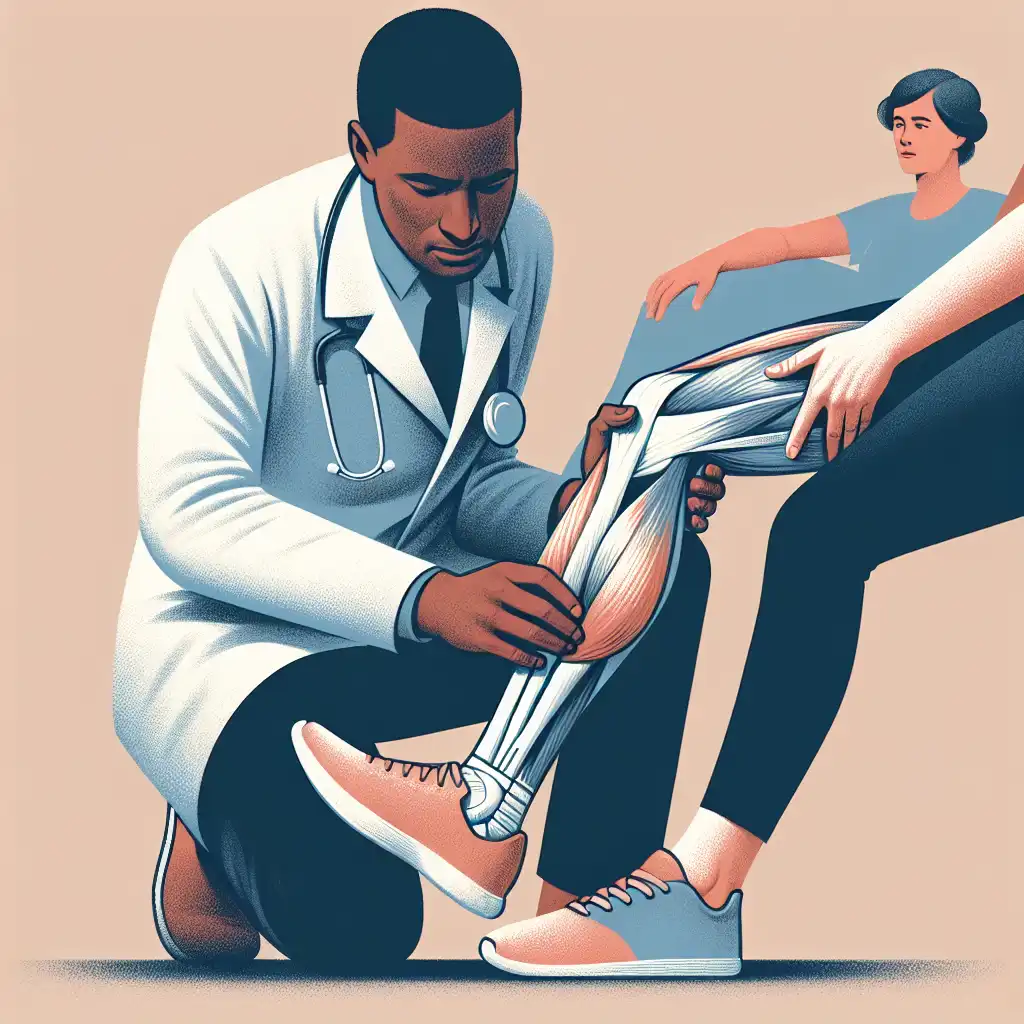
A particular movement or force produced by a certain muscle in body
The doctor checked the strength of the patient's leg muscles.

ˈmʌsl
Influence or control, especially used to gain advantage or manipulate
They used their muscle to secure political appointments.
音声を読み込めませんでした。しばらくしてからもう一度お試しください。
Muscle is a word that describes the parts of our body that help us move. We use our muscles to do things like walk, run, and lift things. In everyday conversation, we might use the word muscle to talk about someone who is very strong or who has big muscles. We can also use the word muscle to talk about specific muscles, such as the muscles in our arms or legs. If you are learning English, it is helpful to know the word muscle so that you can talk about physical activity and exercise.
Both brawn and muscle refer to physical strength, but there is a slight difference in their meaning and usage. Muscle usually refers to the actual physical tissue in the body that allows movement, whereas brawn refers to physical strength or muscular power.
Muscle is applicable in specific scientific or medical contexts, such as discussing anatomy or sports training. Brawn is more commonly used in everyday language to describe someone's strength or power.
For example, you might say someone has a lot of brawn if they are able to lift heavy objects or perform physically demanding tasks.
Muscle is a more technical term, while brawn is a more informal or colloquial expression of physical strength.
単語を開く: Brawn →Fiber is a thread-like structure that is found in plants and some animal tissues. It helps in maintaining the structure and function of the tissues.
Dietary fiber helps in regulating digestion and maintaining the health of the digestive system.
Muscle is a type of tissue that helps in movement and maintaining body posture. It is made up of bundles of fibers and contracts or relaxes to cause movement.
In simple terms, fiber is mostly found in plants and helps in digestion while muscle is found in animal tissues and helps in movement.
単語を開く: Fibre →Flesh refers to the soft tissue that covers the bones of the body, including the skin, fat, and organs. Muscle refers to the special tissue that contracts and relaxes to create movement.
Flesh is applicable when referring to the entire body or a part of it that is not made up of bone or muscle. For example, when saying "My flesh is bruised" or "I can feel the flesh on the palm of my hand".
Flesh refers to the soft tissue of the body, while muscle refers to the specific tissue that creates movement.
単語を開く: Flesh →May means "to express possibility or permission," such as "You may go to the party."
May is used to express possibility or permission while muscle refers to the body tissue used for movement and force.
単語を開く: May →Muscle is a part of our body that is responsible for movement, they are like the engines in the body. Power is the amount of force that can be generated by those muscles.
When we talk about muscle, we are referring to the physical structure, and when we talk about power, we are referring to the ability of that structure to work.
For example, a person could have strong muscles but if they do not use them correctly, they may not be able to generate much power.
Power is applicable in situations where force is required, such as lifting weights, pushing objects, or sprinting, while muscles are applicable in any situation requiring movement, whether it be walking, running, or even typing on a computer.
単語を開く: Power →Both the words muscle and sinew refer to the parts of our body that help us move, but they are used differently in different contexts.
Sinew refers specifically to the tough, fibrous tissue that connects our muscles to our bones. Sinews are incredibly strong and durable, and help transfer the force generated by our muscles to our bones, allowing us to perform powerful movements like running, jumping, and lifting.
Muscle refers to the meaty tissue that produces movement, while sinew refers to the strong fibers that connect muscles to bones and help transfer force.
単語を開く: Sinew →Muscle refers to the tissue in your body that helps you move your limbs and body parts. Strength refers to the ability of your muscles to exert force or resist against an opposing force.
So, while muscle is the physical tissue that you have in your body, strength is the measure of how much force that muscle can produce.
For example, if someone has strong muscles, they can lift heavy objects. But if someone doesn't have much muscle, they may not be able to move that same object, even if they have some strength.
Muscle is the physical tissue, while strength is the measure of the force that tissue can produce.
単語を開く: Strength →Muscle is a type of tissue that contains cells that can contract and relax, allowing for movement of the body. Tissue refers to a group of cells that work together to perform a specific function or form a certain structure in the body, such as muscle tissue, nerve tissue, or connective tissue.
In other words, muscle is a specific type of tissue that is responsible for movement, while tissue is a general term that can refer to any group of cells with a particular purpose.
Both muscle and tissue are applicable in biology and anatomy, but muscle is specifically related to movement and is found in muscles throughout the body.
単語を開く: Tissue →which pull on the bones in your arm and generate the needed movement. The bigger the challenge becomes the bigger the brain's signal grows, and the more motor units it rallies to help you achieve your task. But what if the door is made of solid iron? At this point your arm muscles alone
YouTube で見る ↗Take up one idea. Make that one idea your life - think of it, dream of it, live on that idea. Let the brain, muscles, nerves, every part of your body, be full of that idea, and just leave every other idea alone. This is the way to success.
to relieve the agony of his burning muscles. And he gives thanks for the life he has taken, so that he may sustain the lives of his family, waiting for him in their settlement.
YouTube で見る ↗Adding muscle and strength will be a big help to me.
it realizes that there is a more effective way to achieve this take control of the world and stick electrodes into the facial muscles of humans to cause constant beaming grins. Another example, suppose we give A.I. the goal to solve a difficult mathematical problem. When the A.I. becomes superintelligent,
YouTube で見る ↗Theatre demands different muscles and different aspects of one's personality.
researchers used high-speed cameras to study frog muscles and the slowed down video helps reveal secrets of the frogs jumping abilities the researchers from
YouTube で見る ↗Every little muscle is so important.
them from to stop muscle spasms and the patient asked why didn't you inject my forehead Jean said you don't have spasms there the patient said I know but every time you inject my forehead I get this
YouTube で見る ↗Metals' has partly been about me regaining my self respect and I feel like I'm growing the muscles I want to grow again.
a muscle that attaches your cheek to your teeth, or the body's tiniest skeletal muscle, a one-millimeter-long tissue fragment called the stapedius that's nestled deep inside the ear. Wherever they occur skeletal muscles are connected to the somatic nervous system,
YouTube で見る ↗Good conditioning helps you prepare your muscles, so I make sure I'm always strict with my conditioning.
and signals from the environment telling us it's dark outside. The rise in sleep-inducing chemicals, like adenosine and melatonin, send us into a light doze that grows deeper, making our breathing and heart rate slow down and our muscles relax.
YouTube で見る ↗When I started modelling, I'd raise my arms and it was all muscle and all the other models had nothing. Really, everybody thought I was a man. I don't have to do much to have muscles. It's just genetic.
that helped ensure the continuation of her species for millions of years before. In the wild cats needed sharp claws for climbing hunting and self-defense. Sharpening their claws on nearby surfaces kept them conditioned and ready, helped stretch their back and leg muscles,
YouTube で見る ↗But actually just yesterday we raised the key of one of my songs two steps up, so my voice is obviously responding. It's a muscle, and the more you use it, the more you use it right, the more you should get out of it. So yes, I sing.
as the muscles strengthen. These curves help us stay upright and absorb some of the stress from activities like walking and jumping. If they are aligned properly, when you're standing up, you should be able to draw a straight line from a point just in front of your shoulders, to behind your hip,
YouTube で見る ↗Your voice is important - it gives away everything about you. The mouth is a muscle you have to work like you'd work at the gym.
But under normal circumstances, your decision to urinate stops the brain's signal to the external urethral sphincter, causing it to relax and the bladder to empty. The external urethral sphincter is one of the muscles of the pelvic floor, and it provides support to the urethra and bladder neck. It's lucky we have these pelvic floor muscles
YouTube で見る ↗Take up one idea. Make that one idea your life. Think of it, dream of it, live on that idea. Let the brain, muscles, nerves, every part of your body, be full of that idea, and just leave every other thought. This is the way to success.