
pleonasm
noun pleonasm
ˈpliːənæzəm
The use of more words than are needed to express an idea; redundancy.
The phrase 'free gift' is a pleonasm because the word 'free' is redundant.
pleonasm
ˈpliːənæzəm
Loading…
ˈpliːənæzəm
The use of more words than are needed to express an idea; redundancy.
The phrase 'free gift' is a pleonasm because the word 'free' is redundant.
ˈpliːənæzəm
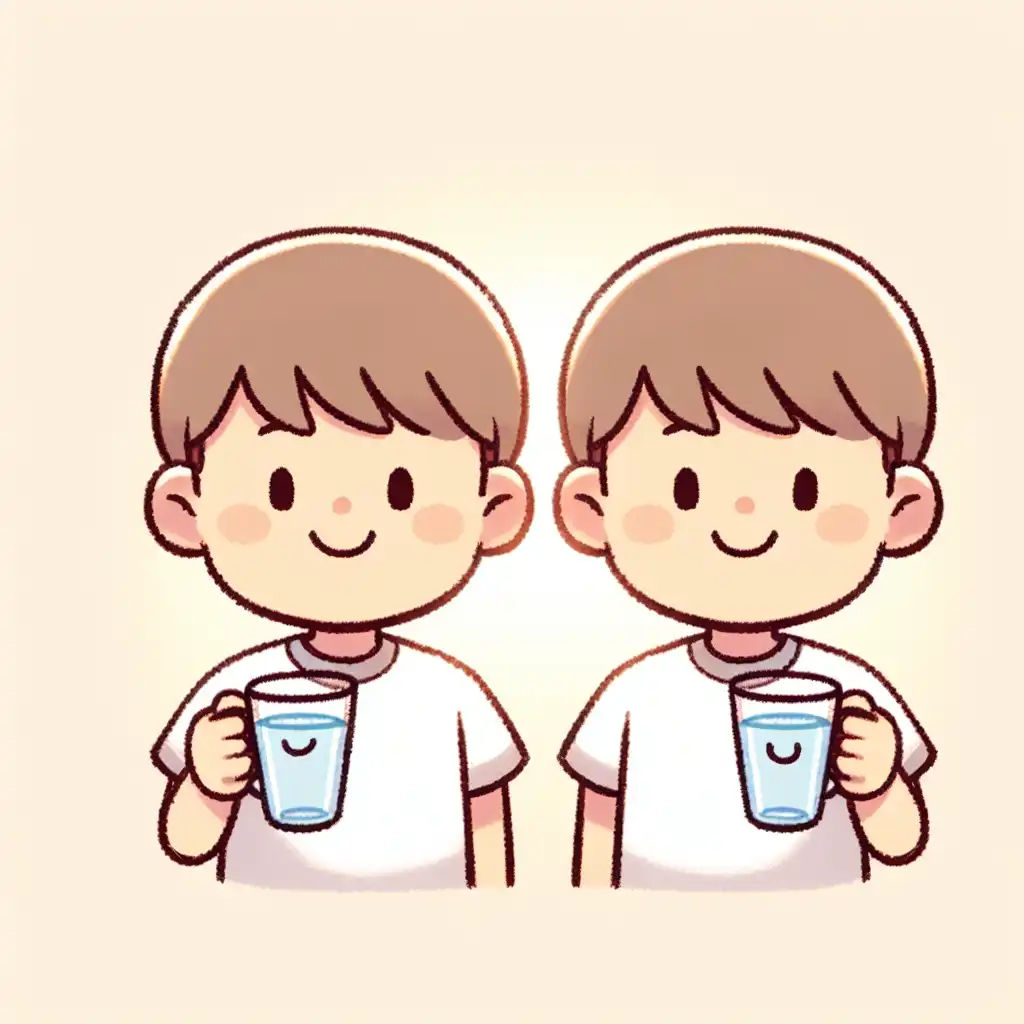
A phrase or expression in which the same idea is stated more than once.
'Adequate enough' is an example of a pleonasm.
Audio could not be loaded. Please try again later.
Pleonasm means using more words than necessary to express something. For example, saying "I saw it with my own eyes" is a pleonasm because "seeing" already implies using your eyes. Another example is saying "the black color is black" because "black" already means the absence of color. It's important to avoid pleonasms in writing and speaking as it can make sentences longer and more confusing to understand.
Prolixity refers to using too many words or being excessively verbose, making sentences unnecessarily long or complex. Unlike pleonasm, prolixity doesn't necessarily include redundant language.
An example of prolixity is a sentence like "Due to the fact that he had been feeling unwell for several days, the decision was made to schedule an appointment with the doctor in order to get a professional medical opinion." A more concise version of this would be "He scheduled a doctor's appointment because he wasn't feeling well."
Pleonasm is more concerned with redundancy and unnecessary words, while prolixity is more focused on verbosity and unnecessary length.
Open word: Prolixity →Both pleonasm and redundancy refer to using more words than necessary to convey a message. The main difference is that pleonasm refers to using unnecessary words that do not add any extra meaning, whereas redundancy refers to using repetitive words or phrases that convey the same message multiple times.
For example, saying "the bright sun" is pleonasm because the word "sun" already implies brightness. Saying "the sun is shining brightly" is redundancy because both "sun" and "shining" convey the idea of brightness.
Pleonasm is considered a stylistic error and should be avoided in formal writing, while redundancy can be acceptable in certain contexts, such as in speeches or informal writing where emphasis is important.
Open word: Redundancy →Pleonasm is the use of unnecessary or redundant words in a sentence, while repetition refers to the act of repeating words or phrases in a sentence or speech.
Pleonasm is used when someone adds extra words to a sentence, while repetition is used to emphasize the importance of certain words or phrases.
In other words, pleonasm is a mistake that can make writing or speaking sound awkward or clumsy, while repetition can be a deliberate rhetorical device to make a point more effectively.
Open word: Repetition →Both pleonasm and superfluity refer to the use of unnecessary or redundant words.
However, pleonasm generally refers to the use of extra words to make a point, while superfluity refers to something being excessive or unnecessary in general.
For example, saying "free gift" is a pleonasm, as the word "gift" already implies that it's free, while saying "three cups of coffee is a superfluity", as two would be sufficient.
Knowing when to avoid pleonasm and superfluity can help make your writing and speech more concise and clear.
Open word: Superfluity →A tautology is a statement that is true by definition because the two terms mean the same thing. For example, saying "the sun rises in the east" is a tautology because the definition of the word "sunrise" refers to the sun appearing in the east.
Tautologies are often used to emphasize a point or provide clarity, but they can also sound redundant.
A pleonasm is the use of two words to express the same idea, while a tautology is a statement that is always true because it is redundant.
Open word: Tautology →Verbiage refers to the excessive and often meaningless use of words or language. This can include using technical or jargon-laden language that is difficult for others to understand.
Pleonasm focuses on using extra words, while verbiage is more about using overly complex language or unnecessary language.
Open word: Verbiage →Verbosity refers to language that is overly wordy or uses more words than needed to convey an idea. It implies that the speaker or writer is using too many words to say something that could be said more concisely.
Open word: Verbosity →Pleonasm means using more words than necessary while conveying the same meaning. Wordiness also means the same thing, but it can also refer to a piece of writing that has too many unnecessary words, making it long and difficult to understand.
Pleonasm is more about the redundancy of the words used, while wordiness is more about the excessive use of words. Both can be applicable in different situations, such as in academic writing, speeches, or even casual conversations.
Open word: Wordiness →