valour
noun valour
ˈvælər
Great courage that someone shows in dangerous situations
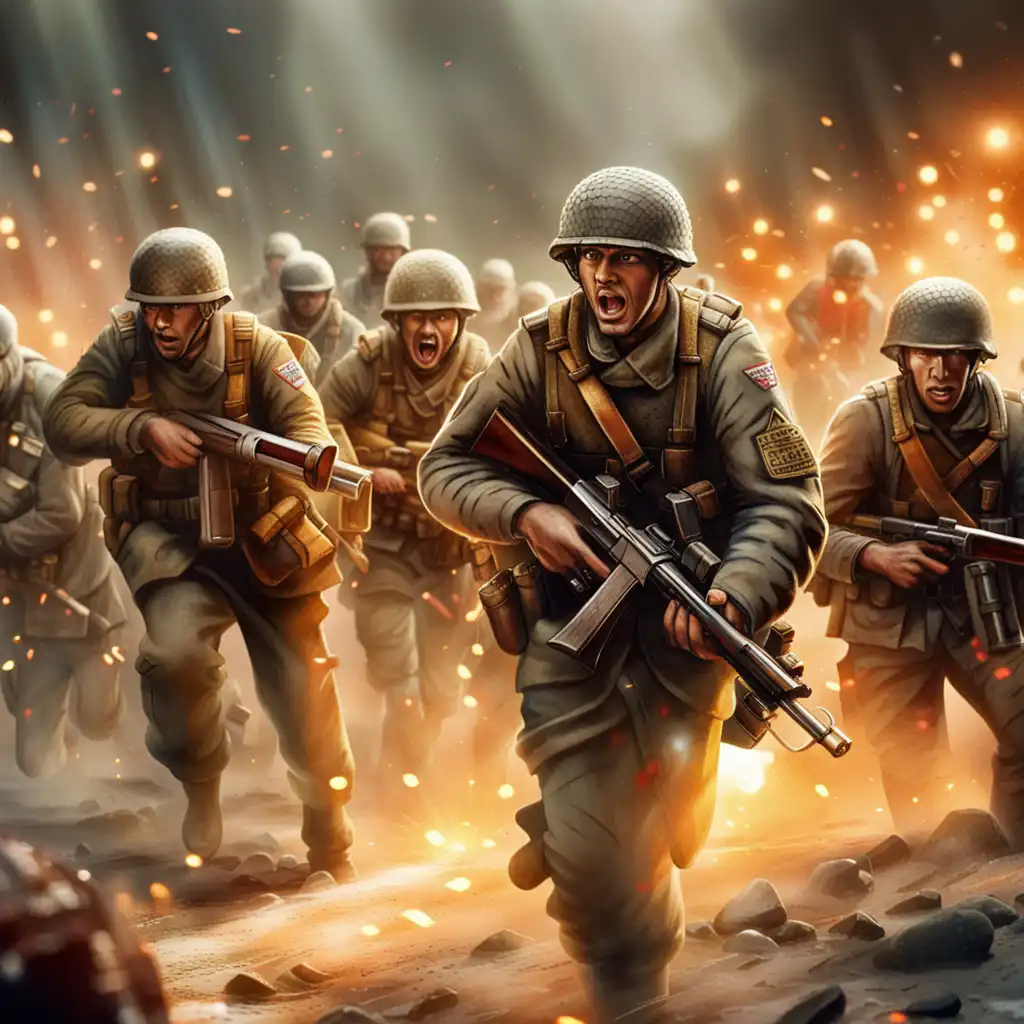
The soldiers were awarded medals for their valour in the battle.
valour
ˈvælər
불러오는 중…
ˈvælər
Great courage that someone shows in dangerous situations
The soldiers were awarded medals for their valour in the battle.
오디오를 불러오지 못했어요. 잠시 후 다시 시도해 주세요.
Valour is a word that is used to describe courage and bravery in difficult or dangerous situations. It is often used to talk about someone who has shown great bravery in war, but can also be used to describe someone who has faced other challenges with great courage. You might hear the word used in stories or movies about knights or soldiers, or in everyday conversation to describe someone who has done something brave.
Bold means being confident or fearless.
It can describe someone who takes risks or speaks up confidently in a situation. For example, a bold decision to quit a job and start a business.
In essence, boldness refers to the act of being brave or daring, whereas valour refers to the quality of being brave or heroic.
Boldness can be applied to a wide range of situations, while valour is typically reserved for acts of heroism in more extreme circumstances.
단어 열기: Bold →Bravery and valour both mean courage, but valour is typically used to describe courage in battle or other military situations, while bravery can refer to any act of courage.
Bravery can be applied to any situation that requires courage, while valour is specifically related to military bravery.
단어 열기: Bravery →Courage and valor both refer to bravery, but valor carries a connotation of physical courage that is displayed in combat or other dangerous situations.
Courage tends to be used more broadly to refer to any kind of bravery or confidence in the face of fear or adversity. Courage is applicable in any situation that requires bravery or determination, while valor is more specific to situations where physical danger is involved.
단어 열기: Courage →Fearless means having no fear, being brave or courageous even in the face of danger or difficulty. It is applicable in situations where someone exhibits bravery without the influence of fear.
In simpler terms, fearless describes a person who is brave regardless of the situation, while valour describes a person who shows bravery specifically in dangerous situations.
단어 열기: Fearless →Fortitude and valour both refer to qualities that involve courage, bravery, and strength in the face of adversity.
Fortitude specifically refers to the ability to withstand difficulties or pain without giving up, while valour refers to bravery in the face of danger or combat.
Fortitude may be more applicable in situations where someone must endure hardship over a longer period, such as enduring the pain of an illness or hardship in a relationship.
Fortitude involves inner strength and determination, while valour involves physical bravery and courage in the face of danger.
단어 열기: Fortitude →Gallantry refers to acts of bravery or chivalry, often towards others. It might involve sacrificing one's own safety to protect someone else, or standing up for what is right even when it is difficult or dangerous.
Both words can describe acts of heroism, but gallantry tends to focus more on the protection of others, while valour is more about personal fortitude.
단어 열기: Gallantry →Heroism refers to the qualities or actions of a hero, who courageously faces danger or performs great feats to help others.
Both words can describe acts of bravery, but heroism is more general and can apply to a wider range of scenarios, while valour emphasizes military bravery in particular.
단어 열기: Heroism →Both prowess and valour refer to bravery and courage, but prowess typically refers to skill or ability in combat or some other activity, while valour suggests a more general sense of bravery or courage in the face of danger or adversity.
For example, a skilled fighter might be described as having great prowess, while a soldier who risks their life to save others in battle would be said to have shown great valour.
Both words are applicable in contexts where bravery and courage are valued or admired, but prowess emphasizes skill and ability, while valour emphasizes bravery and courage in general.
단어 열기: Prowess →When we contend, let us contend for all our rights - the doubtful and the certain, the unimportant and essential. It is as easy to contend, or even more so, for the whole as for a part. At the termination of the contest, secure all that our wisdom and valour and the fortune of war will permit.
I feel proud every time I recall the valour and courage of our army men in the war against Pakistan.
And by a prudent flight and cunning save A life which valour could not, from the grave. A better buckler I can soon regain, But who can get another life again?
Fear of death makes us devoid both of valour and religion. For want of valour is want of religious faith.
Perfect valour consists in doing without witnesses that which we would be capable of doing before everyone.
During a few days' halt near Vesontio for the provision of corn and other supplies, a panic arose from inquiries made by our troops and remarks uttered by Gauls and traders, who affirmed that the Germans were men of a mighty frame and an incredible valour and skill at arms.
Muhammad Ali is a true hero, and the fact there's something wrong with him is his badge of valour. He's a great man.
David - the man after God's own heart - was a man of war and a mighty man of valour. When all Israel were on the run, David faced Goliath - alone... with God - and he but a stripling, and well scolded, too, by his brother for having come to see the battle.