tempo
noun tempo
ˈtempəʊ
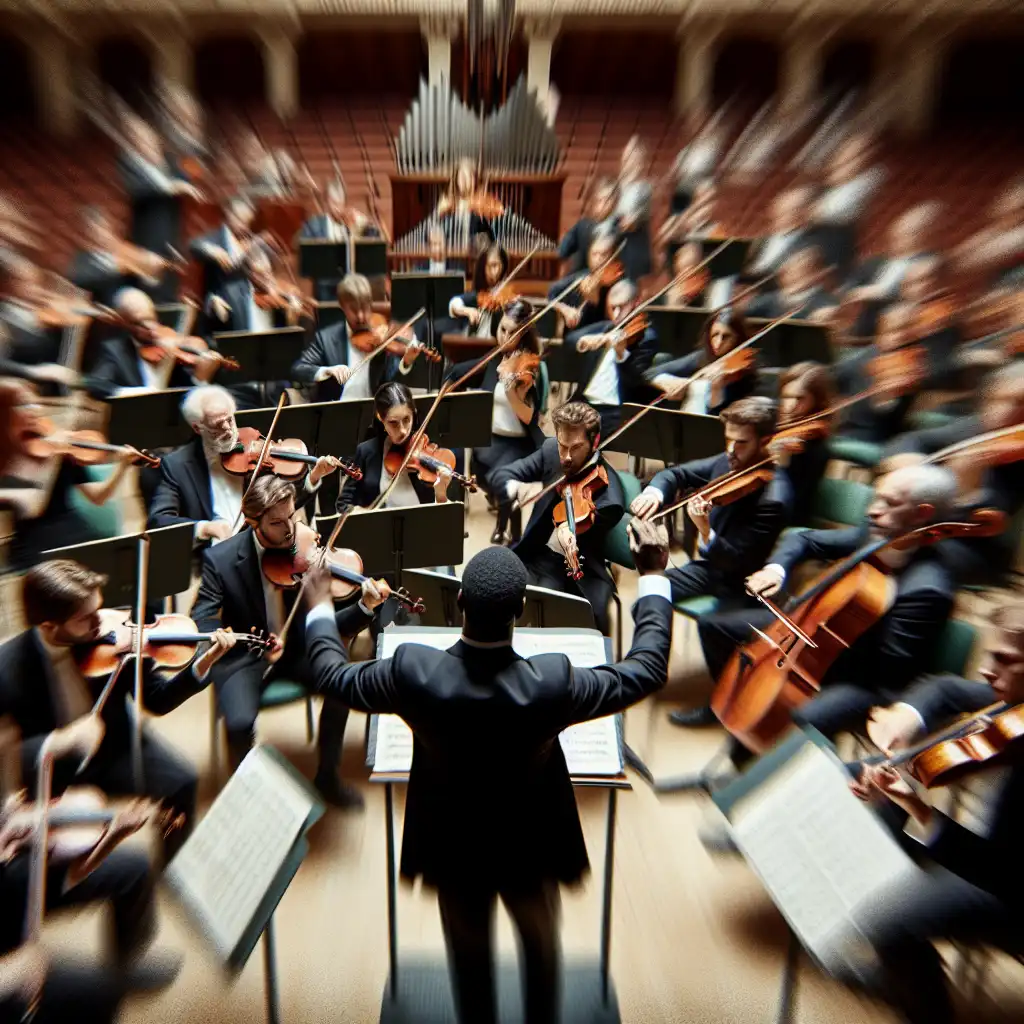
The speed at which a piece of music is played
The conductor set the tempo at a fast pace.
tempo
ˈtempəʊ
読み込み中…
ˈtempəʊ
The speed at which a piece of music is played
The conductor set the tempo at a fast pace.

ˈtempəʊ
The speed or pacing of events
The tempo of life has increased with modern technology.
ˈtempəʊ
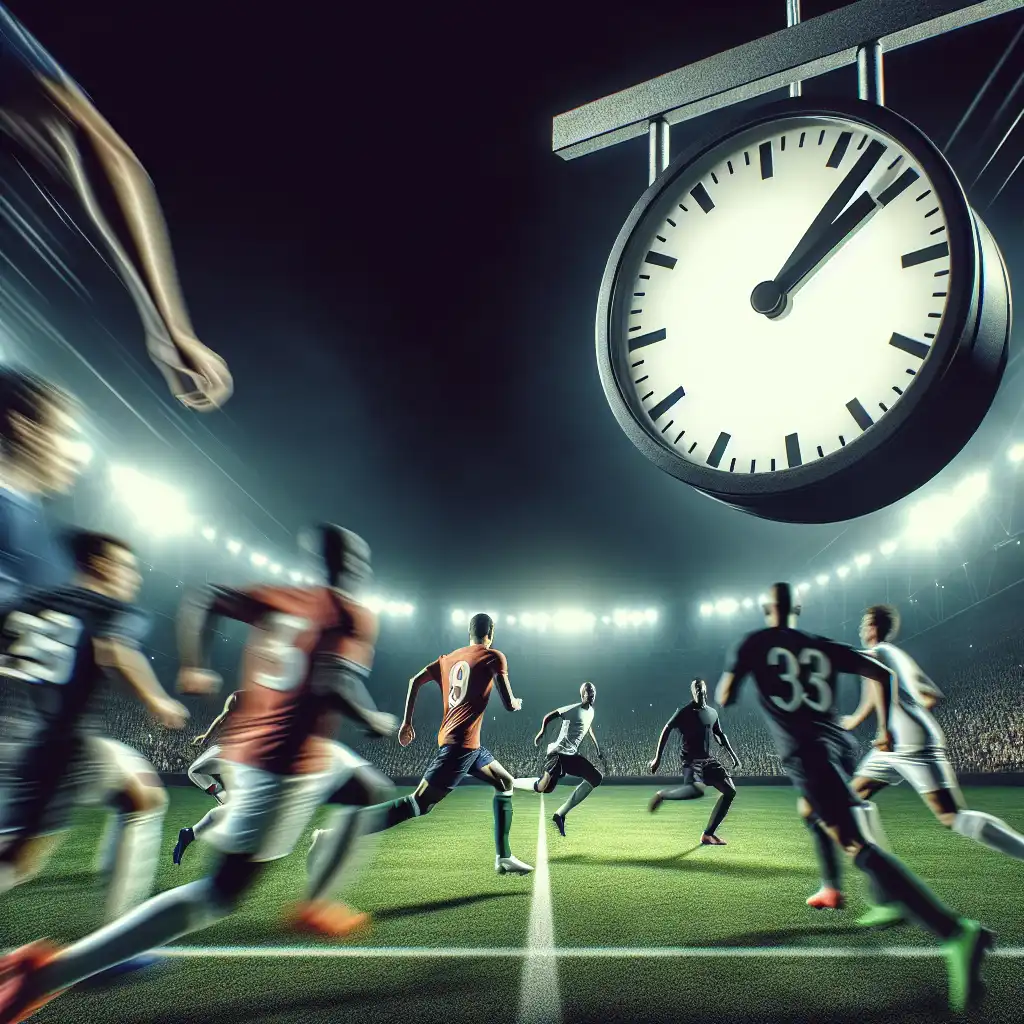
In sport, the speed at which a certain action takes place
The tempo of the game increased in the second half.
ˈtempəʊ
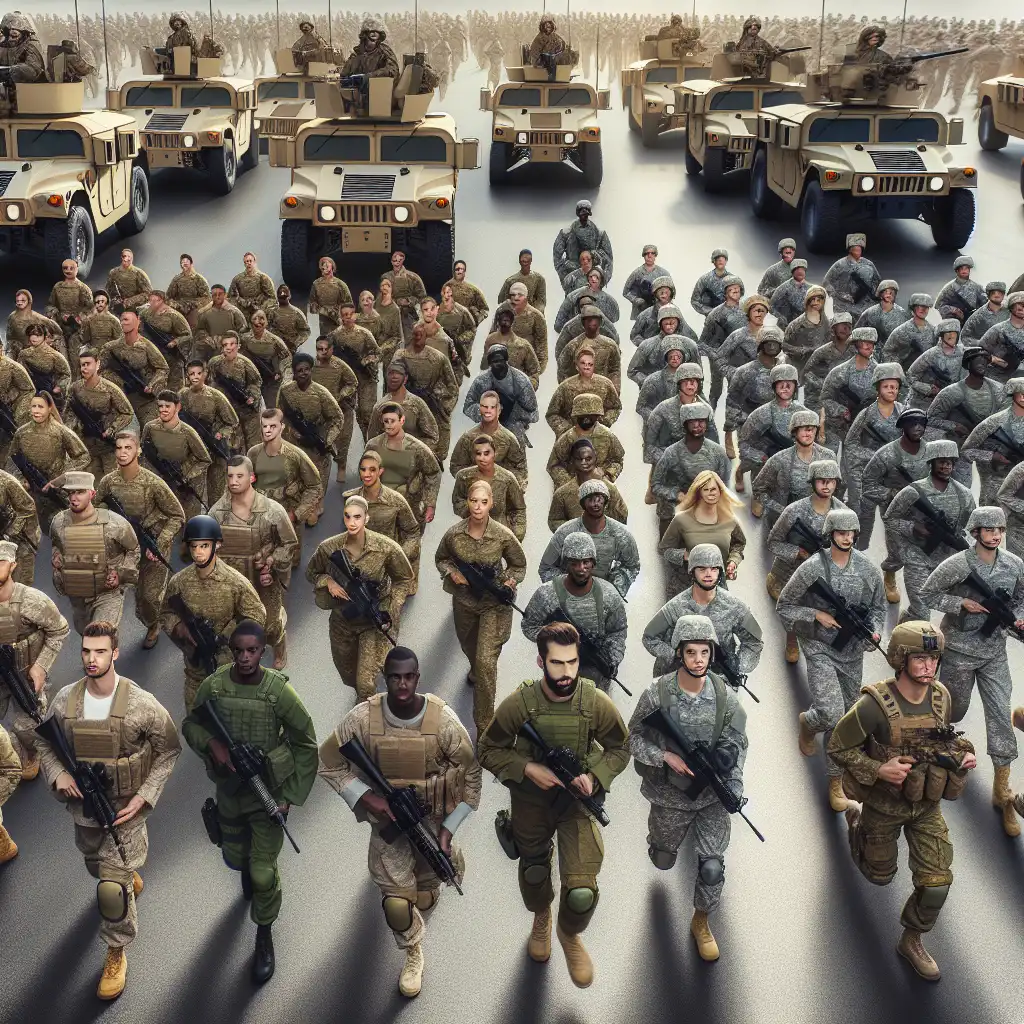
In military terminology, refers to the speed and rhythm of operational activities
The tempo of the operation was difficult to maintain.
音声を読み込めませんでした。しばらくしてからもう一度お試しください。
Tempo is a word that is used in music to describe the speed at which a song or piece of music is played. In other words, it refers to how fast or slow the music is being played. For example, if a piece of music has a quick tempo, it means that it is being played at a fast pace. On the other hand, if it has a slow tempo, it means that it is being played at a more relaxed pace. Tempo is important in music because it helps to set the mood and tone of a piece. For example, a fast tempo might be used for an exciting and energetic song, while a slow tempo might be used for a peaceful and reflective melody. It is important for English learners to understand the meaning of tempo if they are interested in music or if they want to communicate with others about music. They can use the word tempo when discussing the speed of a song or when asking for a certain tempo to be played.
Beat refers to the recurring pulse or rhythm in a piece of music that you can tap your foot or clap your hands to. It is the basic unit of time in music that helps keep everything coordinated.
Tempo refers to the speed of the beat. It determines how fast or slow the music sounds.
For example, a song may have a beat that repeats every quarter note (meaning you tap your foot four times per measure), but the tempo could be slow (like a ballad) or fast (like a dance track).
Beat is the underlying rhythm of music, while tempo is the speed at which the beat is played.
単語を開く: Beat →Cadence refers to the rhythm or flow of something, such as the way a person speaks or walks. It's often used to describe the pattern of stressed and unstressed syllables in poetry or music.
So, while both words relate to rhythm, cadence is more about the pattern or flow of that rhythm, and tempo is more about the speed or pace of it.
単語を開く: Cadence →Groove refers to the rhythmic pattern or feel of a piece of music. It's what makes you want to move or dance to the music.
In essence, groove is what makes a song feel good and makes you want to move, while tempo refers to how fast or slow the song should be played.
単語を開く: Groove →Momentum refers to the amount of force or energy something has when it's moving, and how hard it is to stop. It is applicable in physics, as it describes the movement of objects.
For example, a ball rolling down a hill gains momentum as it picks up speed, and it becomes harder to stop the ball the faster it goes.
Momentum refers to the force behind movement, while tempo refers to the speed or pace of something.
単語を開く: Momentum →Both words refer to the speed of something, but pace is more often used to describe the rate of progress or movement over time, while tempo is more often used to describe the rhythm of music.
For example, you might talk about the pace of a marathon runner or the pace of a movie's plot, but you would talk about the tempo of a song or a dance.
単語を開く: Pace →Pulse refers to the rhythm of a beat or a regular throb or vibration, usually in relation to the heart.
It indicates how fast or slow the music should be played. Both words are applicable in music, but pulse is more focused on the rhythm or beat, while tempo is more focused on the speed or pace of the music.
単語を開く: Pulse →Rhythm refers to the pattern of beats and pauses in music, while tempo refers to the speed at which the music is played.
For example, a song may have a fast tempo, meaning it is played quickly, but the rhythm may be slow and steady with even beats.
A song with a slow tempo may have a complex rhythm with uneven beats and pauses.
Both rhythm and tempo are important elements of music and are used to create different moods and styles. Rhythm is applicable in all genres of music and is used to create a sense of pulse and groove, while tempo is important in dance and can affect the energy and emotion conveyed in a piece of music.
単語を開く: Rhythm →Speed refers to how fast something is moving or happening, while tempo refers to the speed at which music is played.
Speed can be applied to physical activities like running or driving, while tempo is specific to music. For example, you can say you are running at a fast speed, but you would not say a song is playing at a fast speed, you would say it has a fast tempo.
単語を開く: Speed →can help predict very early stages of Parkinson's, just through a phone call. Listening to the breathlessness of the voice can help detect heart disease. And we also know that the changes of tempo inside individual words
YouTube で見る ↗No, what is important is neither linearity or non-linearity, but the change, the degree of change from something that doesn't move to other events with different tempos in particular.
This was a key feature of his trademark uneven tempo and black humor, which became popular throughout the Theatre of the Absurd. He also cultivated a mysterious persona, and refused to confirm or deny any speculations
YouTube で見る ↗I think I can help push the tempo just a little bit... I feel I can get the ball after a rebound. Push the fastbreak. Push the tempo. Get guys some easy shots.
their band grupo tempo is a unique mix of modern and traditional rhythms apart from music guli air may and net so have taken a painting to help express their
YouTube で見る ↗I love going into the studio with just an idea of the direction. Like, I want this tempo... I love to start from scratch, and the tracks sort of take on a life of their own.
point eight percent of what's going to be hot in popular music that week in terms of the tempo and key and other basic musical characteristics thanks very much
YouTube で見る ↗I always work with the tempo of the energy of the character, whether he's fast or slow, or heavy or light.
that the leadership forged in war has a different temper and a different tempo and a different outlook than leadership forged in peace. And so my answer would be the leadership has got to come from below, not from above. I mean a recurring theme of the conference this week
YouTube で見る ↗You don't have a voice yet when you first come out. So even though I knew I had some deeper songs, my first album had to be about the tempo and the fun.
in which case light would just tickle your palm, or with a time delay of two-tenths of three-tenths of a second. So the important point here is the right hand always does the same things -- sinusoidal movement. The left hand always is the same and puts sinusoidal tickle. All we're playing with is a tempo causality.
YouTube で見る ↗If you create a movie that is only character driven, with a weak plot, then you - as a director, you have to make sure you keep pushing the tempo.
understanding and studying the source characteristics of people with severe speech disorder, and what I've found is that even though their filters were impaired, they were able to modulate their the pitch the loudness the tempo of their voice.
YouTube で見る ↗I've played a lot of football in my life. I know the tempo and speed of the game.
And it may seem simple, it may seem dull by itself, but it gives tempo and heartbeat. And then things in your life add on to it, giving texture --
YouTube で見る ↗I got bored with the old way - it came too easy. I worked until I could play and chord changes at any tempo in any key, and then said 'What else is there?' Now I'm finding out.
pop country and western opera jazz -- and you just have to be consistent with that color. You see there are different lines. You choose in your own tempo in your own way to follow the line, but you must respect it,
YouTube で見る ↗American time has stretched around the world. It has become the dominant tempo of modern history, especially of the history of Europe.
up the whole sequence by tilting the tempo to 1 one way or the other and now I'll attach the filter to the base for some more expression I can rearrange the sequence while it plays I don't have to plan it out in advance but I can
YouTube で見る ↗In an individual sport, yes, you have to win titles. Baseball's different. But basketball, hockey? One person can control the tempo of a game, can completely alter the momentum of a series. There's a lot of great individual talent.