uncouple
verb uncouple
ˌʌnˈkʌpl
To separate or disconnect two things which were joined or combined
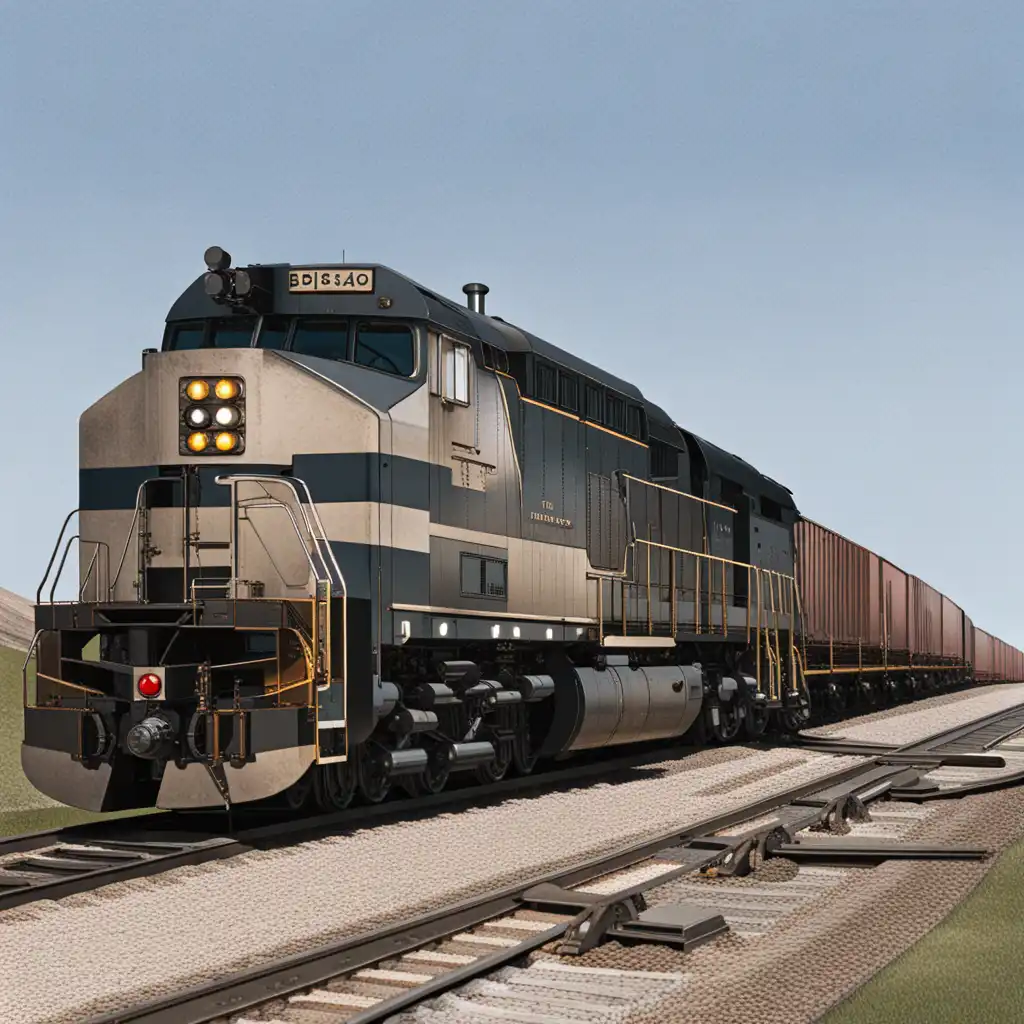
The train was uncoupled from the locomotive.
uncouple
ˌʌnˈkʌpl
読み込み中…
ˌʌnˈkʌpl
To separate or disconnect two things which were joined or combined
The train was uncoupled from the locomotive.

ˌʌnˈkʌpl
To bring to an end a relationship between two people
After a year of dating, they decided to uncouple.
音声を読み込めませんでした。しばらくしてからもう一度お試しください。
The word 'uncouple' means to separate or disconnect one part from another part. This word is mostly used in the context of separating two things that are joined together, like a train car from the rest of the train. For example, you might hear a train conductor say "we need to uncouple car number five" which means they need to separate that train car from the others. In a different context, you could also say "we need to uncouple our personal and professional lives" which means you need to separate your work life from your personal life.
Depose means to remove someone from a position of power or authority, usually in a formal or legal manner. For example, a king or president may be deposed by a revolution, court order, or impeachment.
Depose is about removing someone from power, while uncouple is about separating two things that were previously connected.
単語を開く: Depose →The words detach and uncouple both refer to separating two things from each other, but detach is more general and can be used for any kind of separation, while uncouple is specifically used for separating two parts of a whole that are connected.
For example, if you detach a phone from its charger, you are removing it from its power source. If you uncouple a train car from the rest of the train, you are separating it from the other cars it was attached to.
You can use detach when you want to describe the act of separating one thing from another, regardless of whether they were originally connected or not.
単語を開く: Detach →However, disconnect typically means to break a connection or electrical circuit, while uncouple implies separating two physical objects from each other.
For example, you would disconnect your phone charger from an outlet or disconnect a cable from a computer. You would uncouple train cars from each other or uncouple a trailer from a truck.
Disconnect is often used in a technical or digital context, while uncouple is more commonly used in a physical or mechanical context.
単語を開く: Disconnect →Disengage means to remove something from being in contact or connected to something else.
For example, when you turn off a machine or a device, you disengage it from its power source or when you remove your phone from its charger, you disengage it.
So, basically, disengage means to disconnect something from its source while uncouple means to detach two things that are joined together.
単語を開く: Disengage →Fasten means to attach or join two things together securely.
It is usually applicable when you want to make sure two things stay together and don't come apart easily. For example, you might fasten a button on your shirt or fasten a seatbelt in a car.
単語を開く: Fasten →Hook means to connect or attach two things together, usually by means of a hook or a similar device. It is applicable when two things need to be linked or joined together, such as connecting a trailer to a car with a hook.
単語を開く: Hook →Separate means to divide or break apart two things that were previously joined or united. For example, you can separate a pile of clothes into lights and darks.
Separate is used when referring to dividing things into parts, while uncouple is used when referring to disconnecting things that were previously joined.
単語を開く: Separate →The difference between...
YouTube で見る ↗