recession
noun recession
rɪˈseʃn
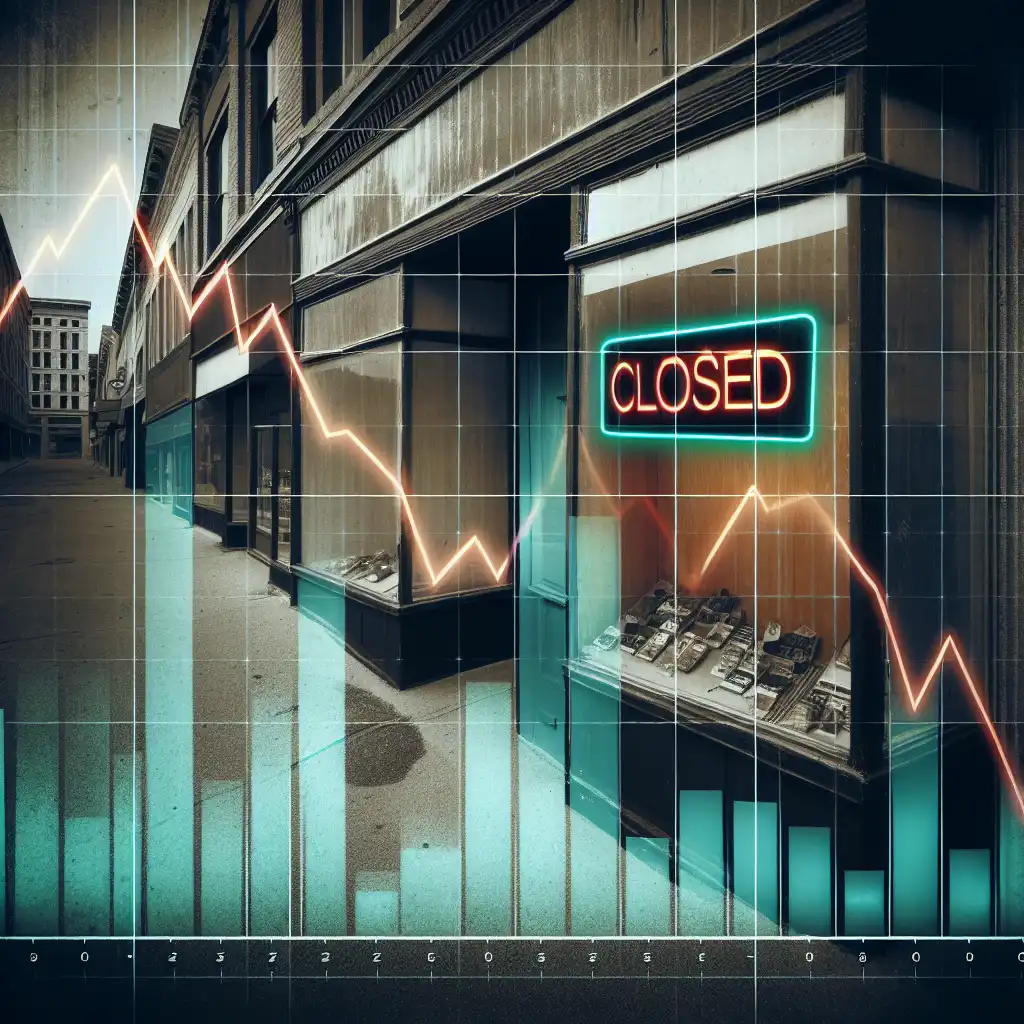
A period when the economy of a country is not successful and conditions for business are bad
Many small businesses went under during the economic recession.
recession
rɪˈseʃn
Đang tải…
rɪˈseʃn
A period when the economy of a country is not successful and conditions for business are bad
Many small businesses went under during the economic recession.
rɪˈseʃn
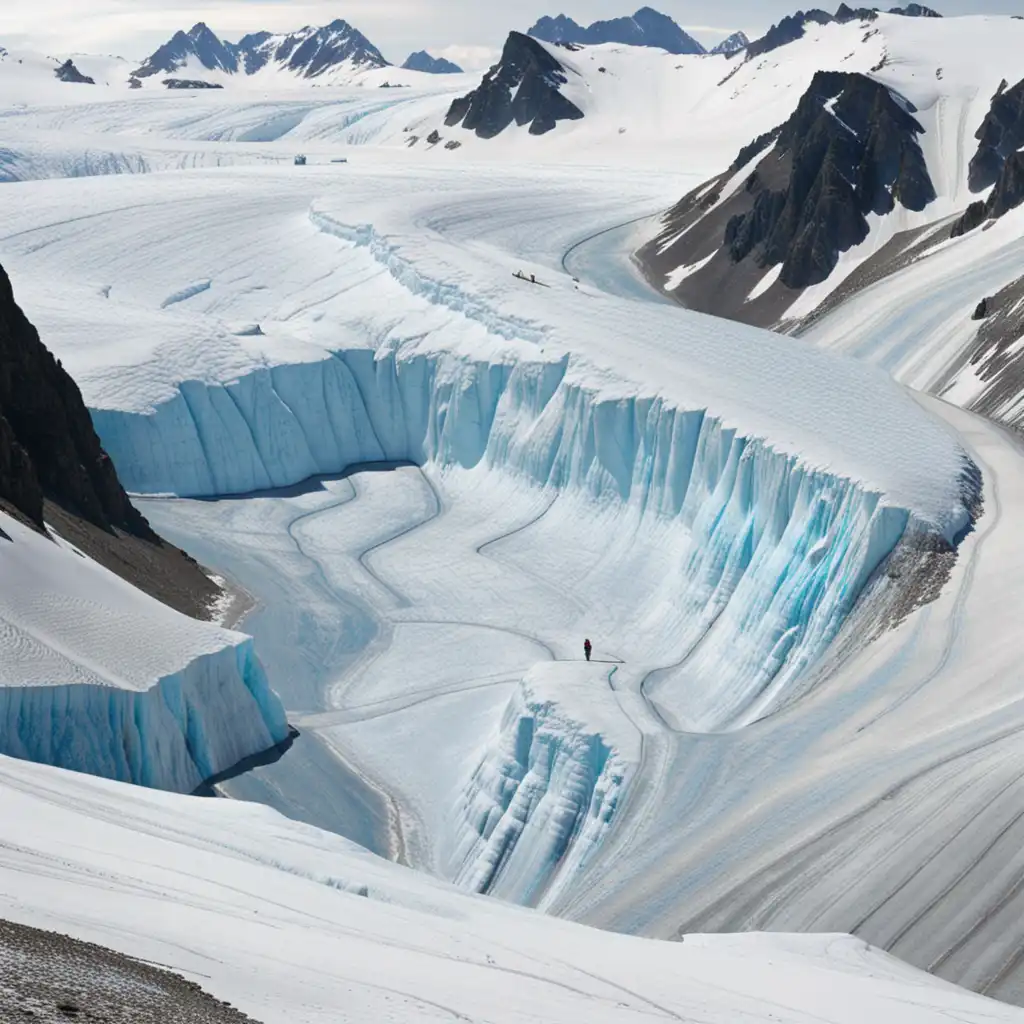
A situation in which something becomes less or returns back
There has been a significant recession of the glaciers in this region.

rɪˈseʃn
In medicine, the act of receding or withdrawing
Gingival recession could lead to the exposure of the roots of teeth.
Không tải được âm thanh. Vui lòng thử lại sau.
A recession is a time when the economy of a country is not doing well. During a recession, many businesses may have to close down, people may lose their jobs, and it can be harder to find work. This can lead to a decrease in the amount of money people have to spend, which can then make the recession worse. A recession can happen for different reasons, such as a natural disaster, political instability or a global economic crisis. It is a good word to know as it is often used in the news and can have an impact on people's lives.
A contraction refers to a temporary decrease in economic activity, specifically in Gross Domestic Product (GDP). This means that the economy is not growing as much as it was before or may even be shrinking.
A contraction is generally a short-term phenomenon that is followed by a recovery or expansion.
A recession typically lasts longer than a contraction and can have severe consequences for businesses, individuals, and the overall economy.
A contraction is a temporary slowdown, whereas a recession is a more severe and prolonged economic decline.
Mở từ: Contraction →Decline refers to a gradual decrease in something, like a decline in the population of a certain animal species.
It can be applied to different aspects like economy, health, education, etc. For example, if an industry experiences a decline, it means that it's slowly losing its market share, and not growing as it used to.
To summarize, decline can be broadly applied to many aspects and refers to a gradual decrease, while recession primarily applies to the economy and refers to a specific type of decline that includes negative growth.
Mở từ: Decline →Decrease refers to a general reduction or lowering of something, such as a decrease in the temperature or a decrease in the number of customers visiting a store.
A recession is characterized by a drop in GDP (gross domestic product), high unemployment rates, and a decrease in consumer spending.
In simpler terms, a decrease is a general term used for any reduction in something, while a recession specifically refers to a decline in the economy.
Mở từ: Decrease →Depression and recession are both economic terms that describe a decline in the economy, but they differ in their severity and duration.
A depression is a severe and prolonged economic decline that can last for several years. It is characterized by widespread unemployment, businesses closing, and a significant decline in GDP.
Depressions can have profound effects on individuals and societies, leading to poverty, homelessness, and social unrest.
A recession is a shorter and less severe decline in the economy, while a depression is a prolonged and severe economic decline.
Mở từ: Depression →A downturn is a general decline or decrease in economic activity or a business trend, whereas a recession is a specific term used to describe a significant and prolonged downturn in the economy.
A downturn can refer to a short-term dip in economic activity, whereas a recession typically lasts for several months to a year or more.
In simpler terms, a downturn means things are not going as well as they were before, while a recession is a more severe and long-lasting economic downturn.
For example, if your favorite restaurant is experiencing a downturn, it might have fewer customers or sales for a short period.
Mở từ: Downturn →A slowdown refers to a temporary and relatively minor decline in economic activity, which may lead to a reduction in GDP growth rates, employment opportunities, and overall economic activity.
In simpler terms, a recession is a severe and extended economic downturn, while a slowdown is a temporary and milder reduction in economic activity.
Mở từ: Slowdown →A recession is a period of economic slowdown that lasts longer and is more severe than a slump. During a recession, economic activity, measured by factors like gross domestic product (GDP) and employment rates, decreases, and consumers spend less money.
A slump is a brief, temporary period of economic slowdown. Slumps may be caused by economic factors like changes in interest rates, fluctuations in the stock market, or a drop in consumer confidence.
To summarize, while both terms refer to an economic slowdown, a recession is typically more severe and longer-lasting than a slump.
A slump is a more temporary economic downturn.
Mở từ: Slump →To stagnate means to be or become inactive, sluggish, or not developing or changing. This term can be used in a variety of contexts, not necessarily related to economics.
For example, a company that is not growing and expanding may be described as stagnating.
Similarly, a person who is not progressing in their career might be said to be stagnating.
In summary, while a recession typically refers to a significant economic downturn, stagnation can refer to a lack of growth or progress in any domain.
Mở từ: Stagnate →and geopolitical factors. An earthquake for example, can destroy the infrastructure needed to produce important commodities such as oil. That forces the supply side of the economy to charge more for products that use oil, discouraging demand and potentially prompting a recession.
Xem trên YouTube ↗The last thing you want to do is raise taxes in the middle of the recession because that would just suck up and take more demand out of the economy and put businesses in a further hole.
Of course people proved that wrong. But one of the reasons it succeeded, aside from a good business model a good idea great execution, is the timing. That company came out right during the height of the recession when people really needed extra money, and that maybe helped people overcome their objection to renting out their own home to a stranger.
Xem trên YouTube ↗The other thing is quality of life; if you have a place where you can go and have a picnic with your family, it doesn't matter if it's a recession or not, you can include that in your quality of life.
opposed to environmental conservation we can't conserve the natural world because we need jobs we yes we need to fight climate change but look at the cost we can't afford to do that we're in a recession that's a completely ludicrous way of thinking impendence showed us that economic development and
Xem trên YouTube ↗We've gotten tremendous support. Everybody now understands how critical it is to help small businesses get out of this recession and into recovery.
learned over the last four recessions which have been driven by the overuse of leverage excessive leverage or the abuse of leverage the net result of this is that the cooperation becomes what we call too big to fail and by this I don't just mean the banks in too big to fail because you know caring and settlement
Xem trên YouTube ↗The collapse of the housing bubble sent the world spiraling into recession. The collapse of the energy and commodity bubble threatens to be just as damaging.
In the depths of a very severe economic recession, I think that there's a really important lesson there, that if you can remember your international obligations whilst you are trying to rebuild your own economy, that's really something. Finland ranks pretty much the same.
Xem trên YouTube ↗If oil prices will go too high, it will slow down the world economy and would trigger a global recession.
and it's not volatile because knowledge isn't volatile. But it grows, and that raises our living standards over a period of time. Then there's the short-term debt cycle. The short-term debt cycle is you know recessions and expansions and booms and recessions -- that. They last about eight ten years.
Xem trên YouTube ↗I can't see the film industry coming to a grinding halt any time soon. I think we may be more open to negotiations and things like that, but I think the art world tends to thrive in times of recession.
that will save their life. Life skills. That means that they can be students young parents, and be able to sort of duck and dive around the basics of cooking, no matter what recession hits them next time. If you can cook recession money doesn't matter.
Xem trên YouTube ↗A robust, sustainably funded unemployment insurance system is Connecticut's most important tool for keeping our families out of poverty and our economy in motion during a recession.
or get away from the people who bring you down. You can't control a recession. You can't control getting fired or getting in a car accident. Most things are totally out of our hands. These three things are totally on us, and they can change our whole world if we decide to do something about it.
Xem trên YouTube ↗I favor the extension of the middle-class tax cuts because in a recession they're stimulative and they help with demand.
the glaciers would once again grow and plummet down the valleys destroying everything in their path and the exact opposite happened an unthinkable trend of warming and in glacial recession and glacial lake formation likewise the
Xem trên YouTube ↗Faced with a deep recession, some say the answer is to expand the role of government.
that is raging as we speak through the world but then has come an economic reality which has become more and more acute which we were just hearing about I think it's not right to call this a recession or even to talk about a Great
Xem trên YouTube ↗Hiking taxes on the so-called wealthy would help send us into a recession because so many small businesses report their income on individual tax returns. If taxes are raised, they will be less likely to be able to hire new workers and make new capital investments.