
babel
noun babel
ˈbeɪbl
A place or scene where things are confused or disorderly.
The construction site was a babel of noise and activity.
babel
ˈbeɪbl
加载中…
ˈbeɪbl
A place or scene where things are confused or disorderly.
The construction site was a babel of noise and activity.
ˈbeɪbl
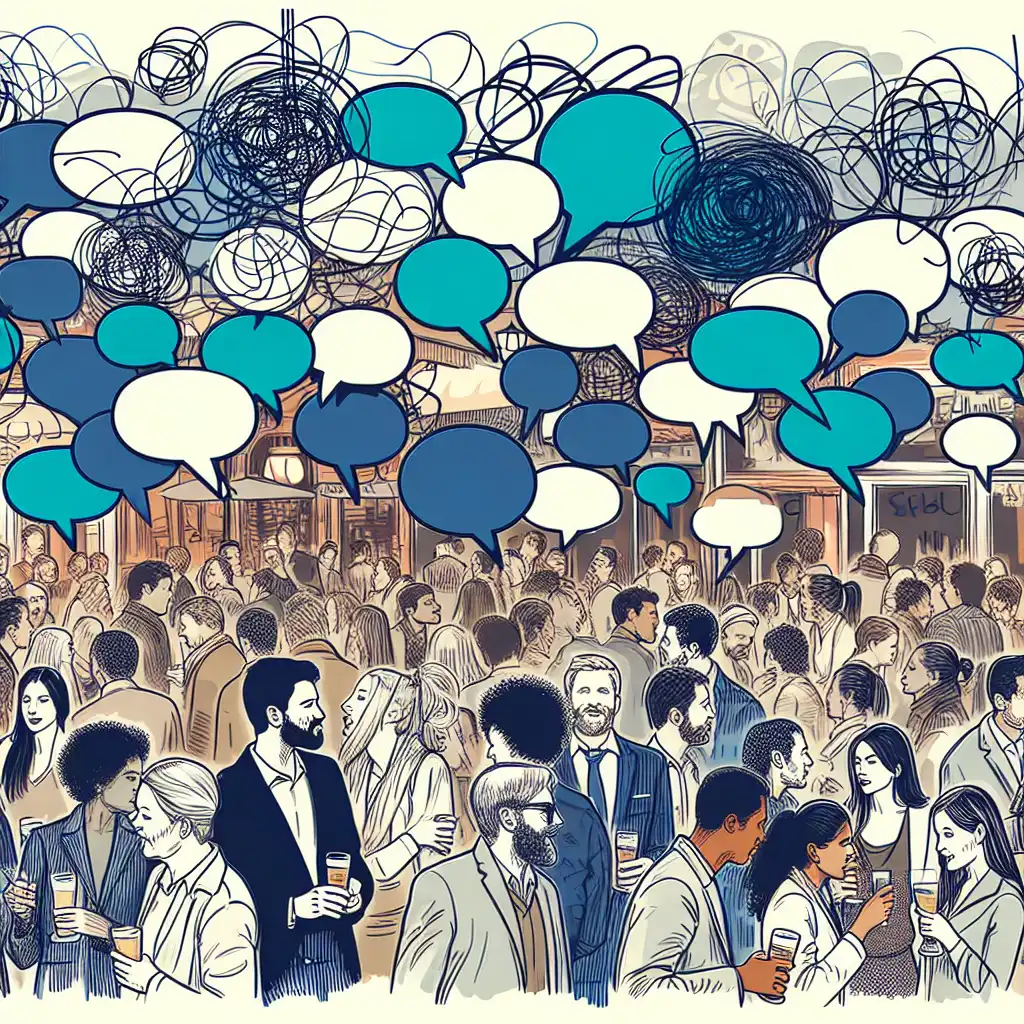
A confused mixture of sounds or voices.
From the bar came the babel of voices.
音频无法加载,请稍后再试。
The word "babel" comes from a famous story in the Bible where people spoke different languages and could not understand each other's words. Today, it is often used to describe a situation where there is a lot of confusion and different languages being spoken at the same time. So, you might use the word "babel" to describe a noisy and chaotic place where people are talking in many different languages and it is hard to communicate.
Bedlam refers to a scene of uproar and confusion, often accompanied by shouting or violence. It is applicable when there is a crazy or chaotic situation where people are misbehaving and causing a lot of commotion or disorder.
Babel describes a confusing noise of many voices, while bedlam describes a chaotic scene of shouting and disorder.
打开单词: Bedlam →Chaos refers to a situation in which there is confusion and disorder, often because things are happening very quickly or unpredictably.
Chaos is often used to describe situations that feel overwhelming or out of control.
Babel describes a communication barrier caused by language differences, while chaos describes a situation that is disordered and unpredictable.
打开单词: Chaos →Confusion refers to a state of mind where someone is uncertain, puzzled or unclear about what they should do or think.
Babel is related to the use of different languages while confusion is related to a mental state of uncertainty or disorder.
打开单词: Confusion →Disarray means a state of disorder or confusion. It implies a lack of organization or control, and can refer to any situation where things are not in their proper place or functioning as they should.
This term is commonly used to describe a messy or chaotic situation, such as a disorganized room or a company in disarray.
Babel suggests confusion caused by multiple voices or languages, while disarray implies disorder or lack of organization in general.
打开单词: Disarray →Disorder refers to a situation where there is a lack of order or organization. This can mean anything from an untidy room to a chaotic political situation.
So while Babel specifically relates to language barriers and misunderstandings, disorder can refer to a more general lack of structure or organization.
打开单词: Disorder →Babel and mayhem are both used to describe chaos and confusion, but they have slightly different meanings and applications.
Mayhem refers to a state of violent disorder and chaos, often involving destruction and harm to people or property.
Babel describes confusion or miscommunication, while mayhem describes violent chaos and destruction.
打开单词: Mayhem →On the other hand, Pandemonium refers to a wild and noisy uproar, chaos, or disorder.
In summary, Babel refers to a confusing mixture of sounds or voices, while Pandemonium refers to a chaotic and disorderly situation.
打开单词: Pandemonium →Turmoil refers to a state of great disturbance or confusion, often caused by a crisis or conflict. It is applicable in situations where there is unrest or disorder, such as in a political or social upheaval.
Babel relates to language barriers while turmoil relates to chaotic situations.
打开单词: Turmoil →How languages evolve -...
在 YouTube 上观看 ↗Injured Elephant Calf...
在 YouTube 上观看 ↗Art in the age of...
在 YouTube 上观看 ↗