drivel
noun drivel
ˈdrɪvl
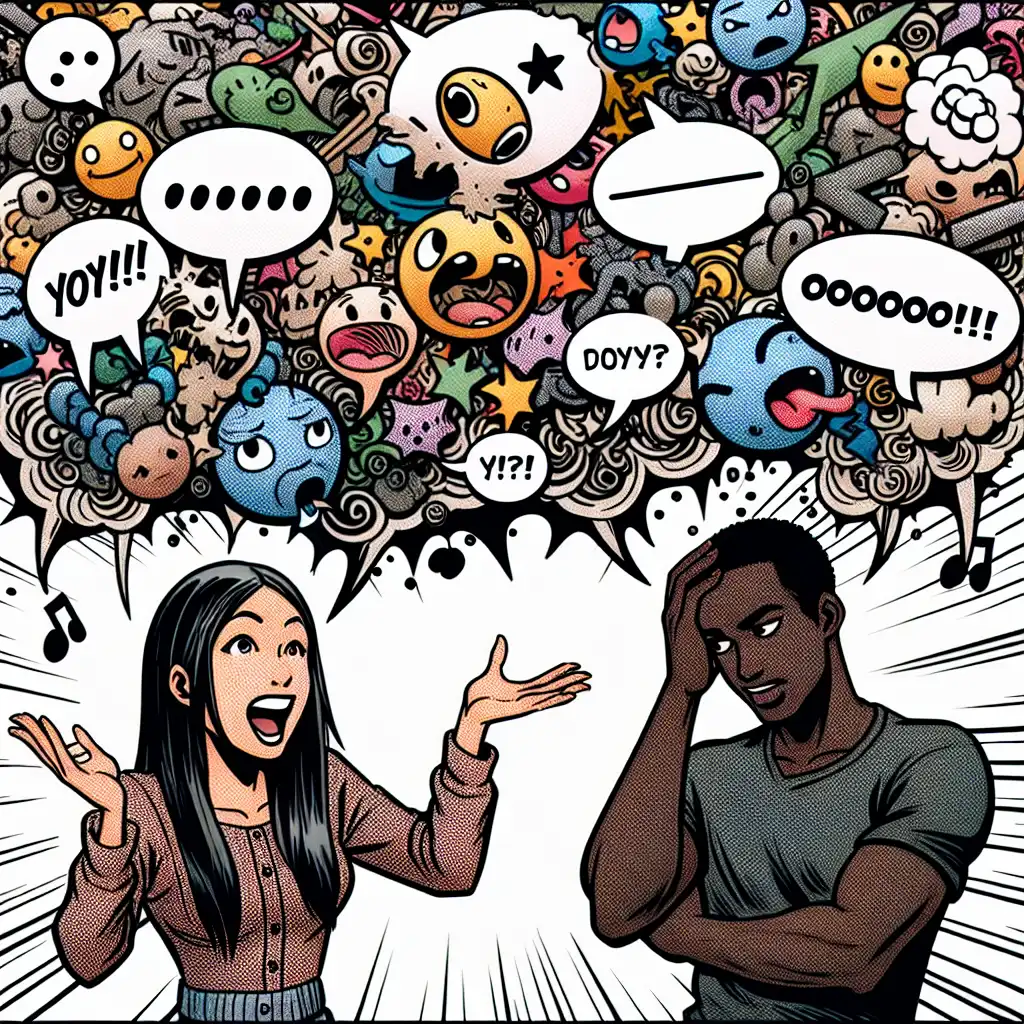
Speech or writing that is silly and not serious or meaningful
I've never heard such drivel in my life.
drivel
ˈdrɪvl
Cargando…
ˈdrɪvl
Speech or writing that is silly and not serious or meaningful
I've never heard such drivel in my life.
ˈdrɪvl
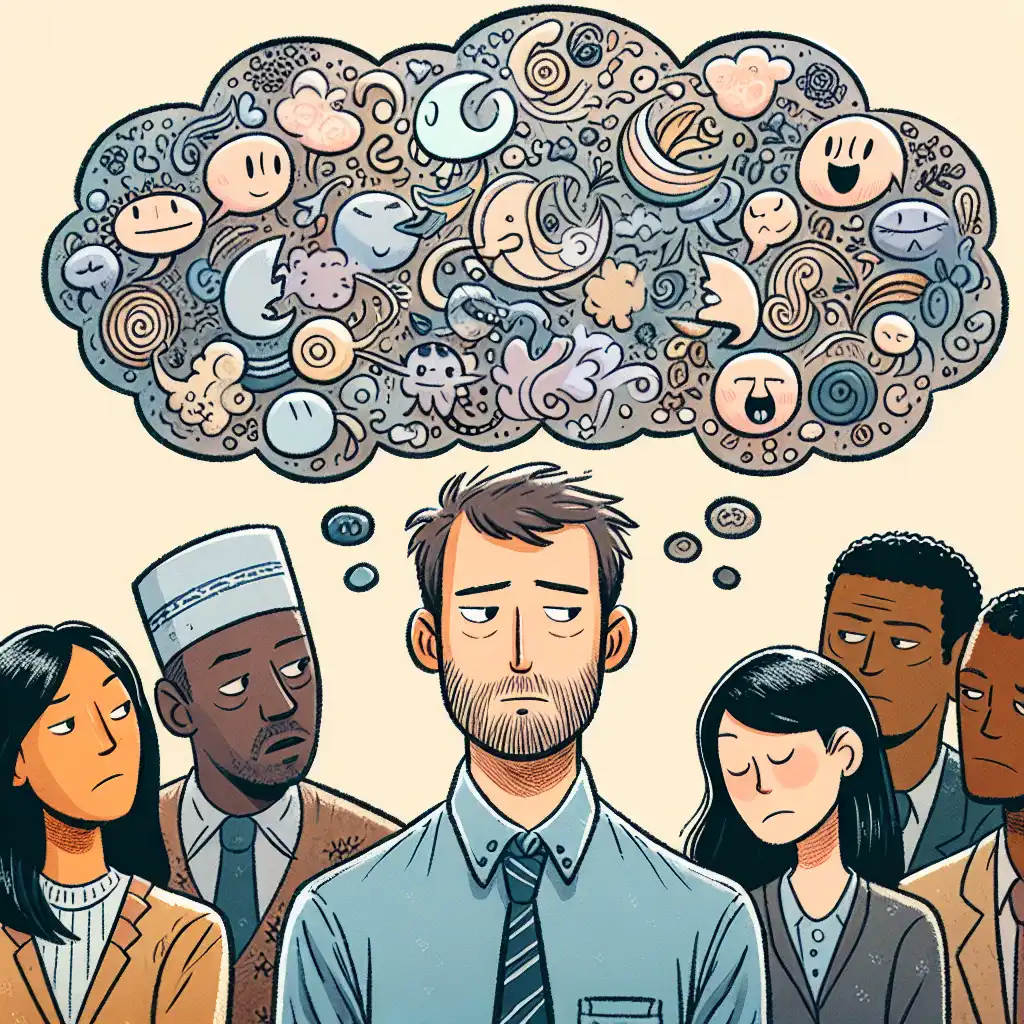
To speak or write in a silly and not meaningful way
He started drivel about conspiracies and we just tuned him out.

ˈdrɪvl
To let saliva or mucus drip from the mouth
The baby's driveling again; get a towel.
No se pudo cargar el audio. Inténtalo de nuevo más tarde.
The word 'drivel' means to speak or write in a way that is silly or without much sense. It is usually used to describe something that is pointless, boring, or not worth paying attention to. For example, "I don't want to listen to his drivel about politics anymore." You can use the word 'drivel' to express your disapproval of someone's speech or writing, especially if it's annoying or uninteresting. However, it's important to use the word 'drivel' in the appropriate context and not offend anyone.
Both babble and drivel refer to speech that is perceived as meaningless or nonsensical.
However, babble typically refers to speech that is rapid, unintelligible, and without much coherence or structure, often due to a lack of understanding or emotional distress.
Babble implies a lack of clarity or control, while drivel suggests a lack of substance or quality.
Abrir palabra: Babble →Both balderdash and drivel are used to describe nonsense or foolishness.
However, balderdash usually refers to something that is seen as ridiculous or absurd, while drivel refers to something that is empty or meaningless.
For example, someone might say "That politician's claim that they will hold the moon in place using magnets is pure balderdash!" because the claim is clearly absurd.
Balderdash describes something ridiculous or absurd, while drivel describes something empty or meaningless.
Abrir palabra: Balderdash →Both blather and drivel refer to meaningless or nonsensical talk, but blather is used more often to describe excessive or rambling speech, while drivel refers more specifically to talk that is stupid or foolish.
You might say someone is 'blathering' on about a topic they know very little about, whereas you would use drivel to describe someone's ridiculous or nonsensical argument.
Abrir palabra: Blather →Both words drivel and gibberish are used to describe speech or writing that is nonsensical, but there are some subtle differences between them.
Gibberish is used when language is completely incomprehensible to the listener or reader. If someone is talking or writing in gibberish, it simply means that they are using words that don't make sense or are not in any recognizable language.
To recap, drivel refers to speech or writing that is meaningless and uninteresting, while gibberish describes language that is completely incomprehensible.
Abrir palabra: Gibberish →Both drivel and jabber refer to speech that is foolish or nonsensical, but they are used slightly differently.
Jabber, on the other hand, implies that the speech is rapid, confusing, and possibly hard to understand. It's often used to describe someone who is talking quickly and without much coherence: "I couldn't follow what she was saying, it was just a bunch of jabber.".
Drivel describes speech that is foolish or unimportant, while jabber describes speech that is rapid and confusing.
Abrir palabra: Jabber →Drivel refers to something that is excessively stupid, meaningless or nonsensical. It implies that something is not just nonsense, but also poorly thought out or expressed.
Nonsense refers simply to something that is absurd, meaningless, or without logic.
It can describe anything that is silly or frivolous. For example, if someone says "That's nonsense!" they might mean that a particular idea or statement is ridiculous, untrue, or just plain silly.
Drivel implies that something is not only nonsensical, but also poorly thought out or expressed, while nonsense simply means that something is absurd or meaningless.
Abrir palabra: Nonsense →However, drivel is more commonly used to describe someone who is speaking in an unintelligible or careless manner, whereas piffle describes something as trivial, unimportant, or even silly.
You might say someone is talking drivel if they are rambling on without making any sense, or you might say that a certain idea is piffle if it seems ridiculous or unimportant.
Abrir palabra: Piffle →Both drivel and twaddle are used to describe foolish or meaningless talk, but there is a slight difference in their usage.
Twaddle usually describes speech that is more frivolous or absurd.
Overall, both words are used to express a disdain for thoughtless or foolish talk, but drivel is more commonly used in a negative way to criticize talk that is boring or pointless, while twaddle is more commonly used to describe speech that is nonsensical or absurd.
Abrir palabra: Twaddle →if she has stashed it but right now I'm held up in a bit of a roadblock it's the best roadblock it to be and though we can see a little bit of drivel
Ver en YouTube ↗So-called 'sustainable development'... is meaningless drivel.
A lot of what journalists write is drivel.
Is your remarkably sexist drivel intentional, or just some horrible mistake?
There are still artists that do a great job with a song, and they care about the lyrics, and it's not just mindless drivel.
Most critical writing is drivel and half of it is dishonest. It is a short cut to oblivion, anyway. Thinking in terms of ideas destroys the power to think in terms of emotions and sensations.
It's not possible to advise a young writer because every young writer is so different. You might say, 'Read,' but a writer can read too much and be paralyzed. Or, 'Don't read, don't think, just write,' and the result could be a mountain of drivel.
I wrote a piece for the school literary magazine that now makes me think: 'My God in Heaven, this is just the worst drivel.
When I first got back from the war, I said, 'I'm gonna write the Great American Novel about the Vietnam War.' So I sat down and wrote 1,700 pages of sheer psychotherapy drivel. It was first person, and there would be pages about wet socks and cold feet.
The great virtue of the web, its ease of communication, has also become its Achilles' heel in that it has polluted the air with meaningless babble and egomaniacal drivel.