misprint
noun misprint
ˈmɪsprɪnt
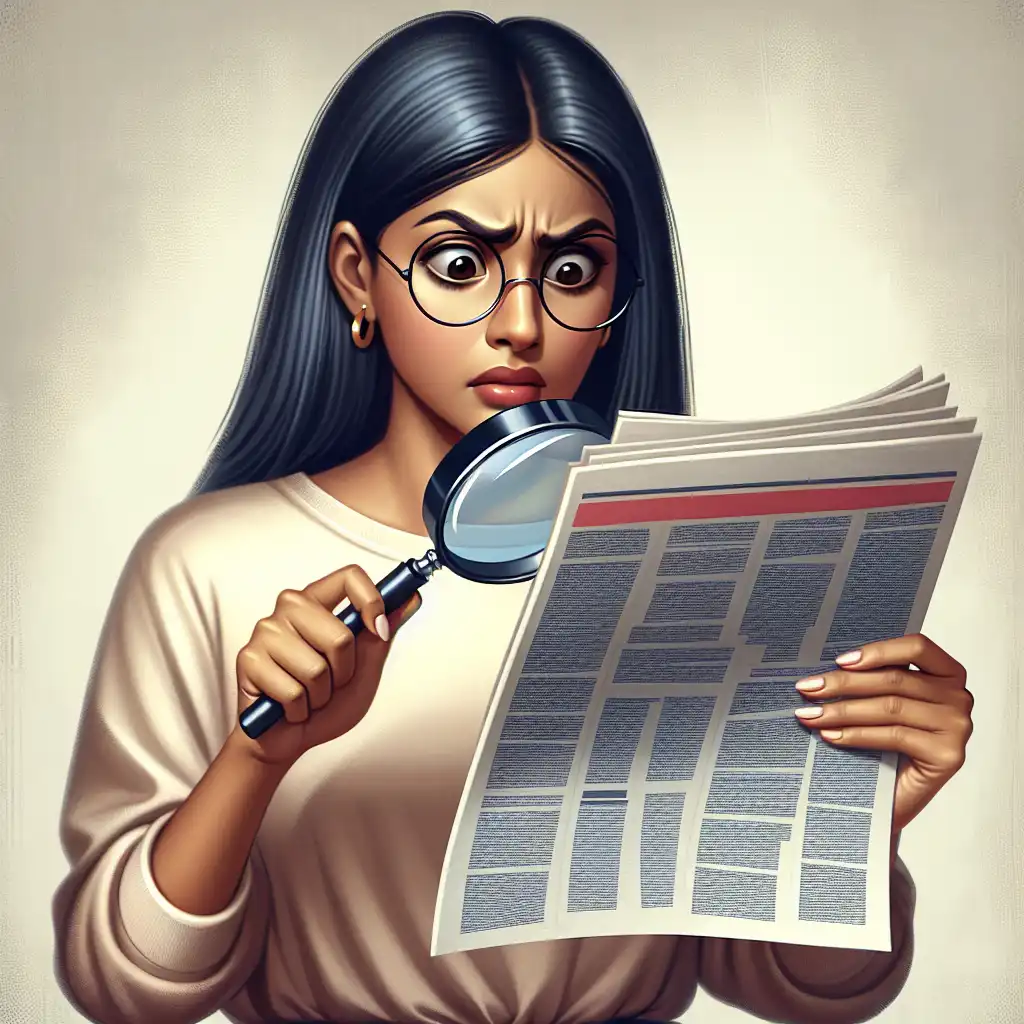
A mistake made in printed material.
I spotted a misprint in the newspaper article, they wrote 'teh' instead of 'the'.
misprint
ˈmɪsprɪnt
読み込み中…
ˈmɪsprɪnt
A mistake made in printed material.
I spotted a misprint in the newspaper article, they wrote 'teh' instead of 'the'.
ˈmɪsprɪnt
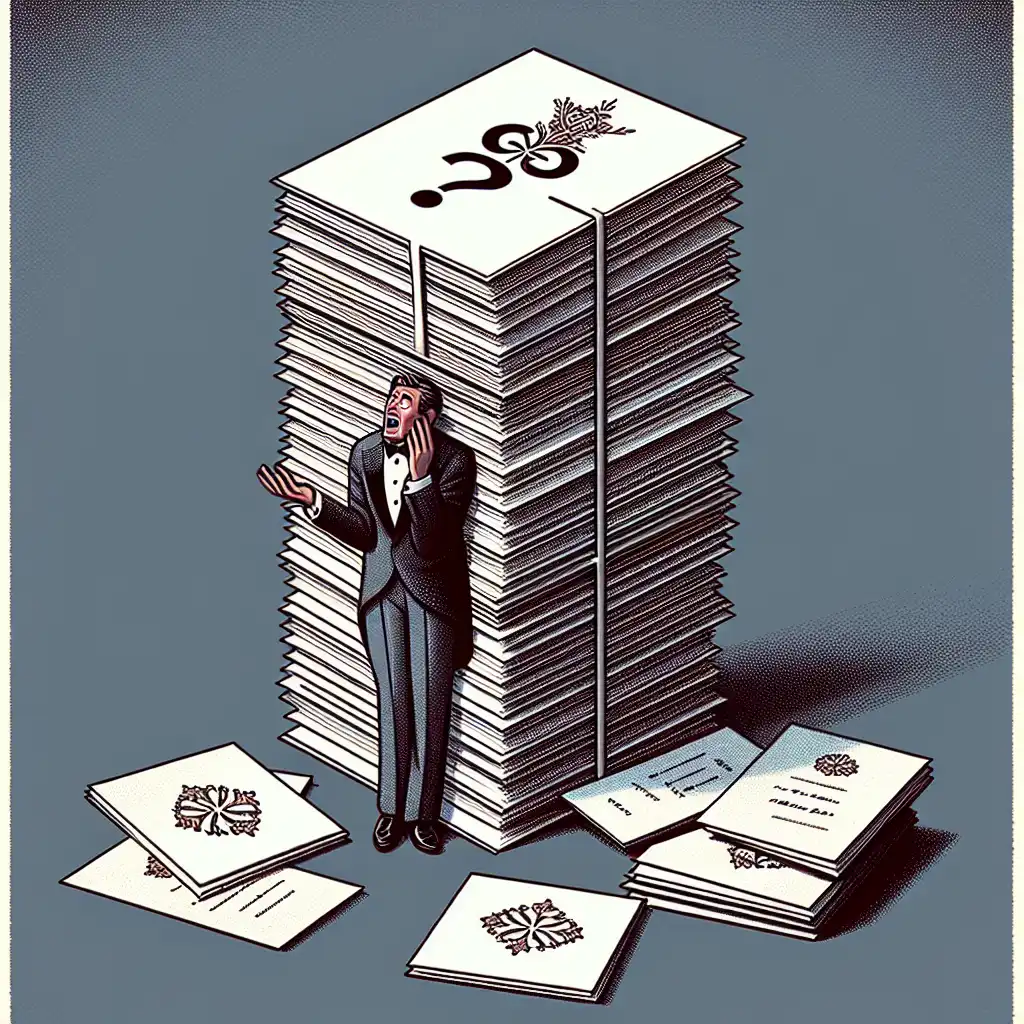
To print something incorrectly.
We need to reprint these invitations, we misprint the date.
音声を読み込めませんでした。しばらくしてからもう一度お試しください。
A misprint is a mistake made when printing something, such as a book or a newspaper. It can happen when a wrong letter, word, or sentence is put in by accident. So, if you see a word that doesn't make sense or a mistake in a printed document, that is a misprint. It's important to check for misprints before publishing something so that the information is accurate.
Accuracy refers to the correctness of something, while misprint refers to an error in printed material.
For example, if a student solves a math problem correctly, then their answer has accuracy. A misprint would be when a book has a typo in it or a newspaper article misspells a name.
Accuracy is important in all areas of life to ensure correct information and actions, while misprints can happen in any form of printed material and need to be corrected to avoid confusion or misunderstandings.
単語を開く: Accuracy →Blunder refers to a mistake made by a person, it's an error that happens due to carelessness or lack of attention. For example, accidentally sending an email to the wrong person or forgetting to attach a document.
Blunder refers to a mistake made by a person, Misprint refers to an error in printed or typed material.
単語を開く: Blunder →Bungle means to make a mistake or error while doing something, usually resulting in a mess or failure.
Bungle is used when someone makes a mistake while trying to do something, while misprint is used when there is an error in printed material.
単語を開く: Bungle →An error is a mistake or incorrect information that results from human error or oversight.
Misprint, on the other hand, refers to an error or mistake in printed material, such as newspapers, books, or documents.
It usually involves typographical errors or errors in the printing process, and it's not related to any significant harm or consequences.
Overall, while both words refer to mistakes or errors, error is a more general term that can refer to any type of mistake, while misprint is a term specific to printing errors.
単語を開く: Error →Fault refers to a mistake or error that occurs in something that is supposed to function or work properly. For example, a car may have a fault in its engine causing it to not start properly.
Fault is often used to describe something that is not working as intended.
Fault refers to something that is not working correctly, while misprint refers to an error in the printed form of a document or image.
単語を開く: Fault →A mistake is a more general term that can refer to any error regardless of the context.
To sum up, misprint is applicable when something is printed and there is an error, while a mistake can be made in any context and does not necessarily involve printing.
単語を開く: Mistake →An oversight is when someone forgets to do something or doesn't notice something that should have been noticed. This can happen in any situation where someone is responsible for completing a task or noticing something important.
For example, if a teacher forgets to assign homework or a construction worker doesn't notice a safety hazard, it is considered an oversight.
Misprint refers to an error in printing, while oversight refers to a mistake or failure to notice something important.
単語を開く: Oversight →A typo (short for typographical error) is a mistake made when typing or inputting text. This can occur on a computer or on a printed document.
Typos are often caused by human error, and can be corrected by proofreading and editing.
In summary, misprints occur in printed materials and typos occur in typed or inputted text. Misprints are caused by issues in the printing process, while typos are caused by mistakes made in typing or inputting text.
単語を開く: Typo →Be careful about reading health books. You may die of a misprint.
A poet can survive everything but a misprint.