
bogey
noun bogey
ˈbəʊɡi
In golf, bogey means one stroke over par at a hole.
He hit a bogey on the 18th hole.
bogey
ˈbəʊɡi
불러오는 중…
ˈbəʊɡi
In golf, bogey means one stroke over par at a hole.
He hit a bogey on the 18th hole.
ˈbəʊɡi
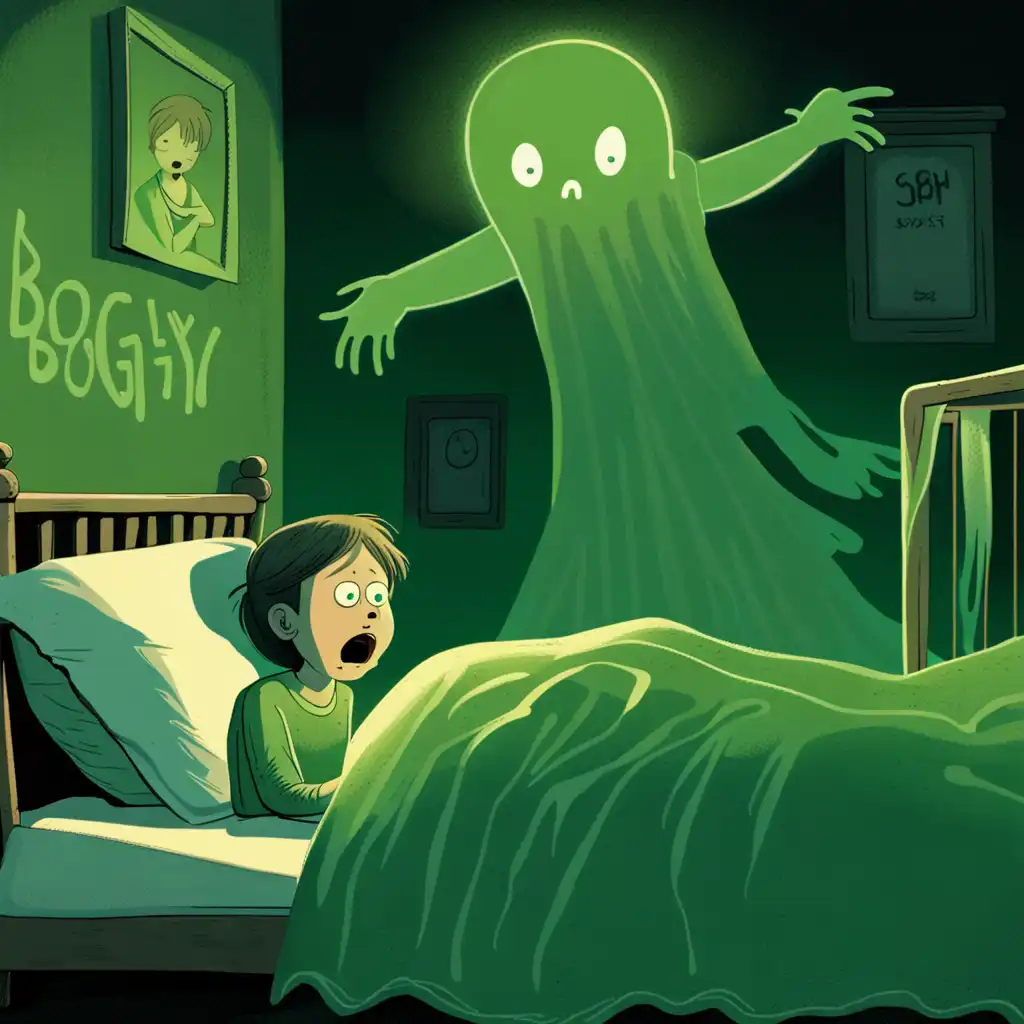
A bogey is also an imaginary evil character or spirit. Children are often told that the 'bogey' will get them if they misbehave.
The children were scared that the bogey would come for them in the night.

ˈbəʊɡi
In military terms, a bogey is an unidentified aircraft or missile.
The radar picked up a bogey moving at high speed towards our airspace.
ˈbəʊɡi
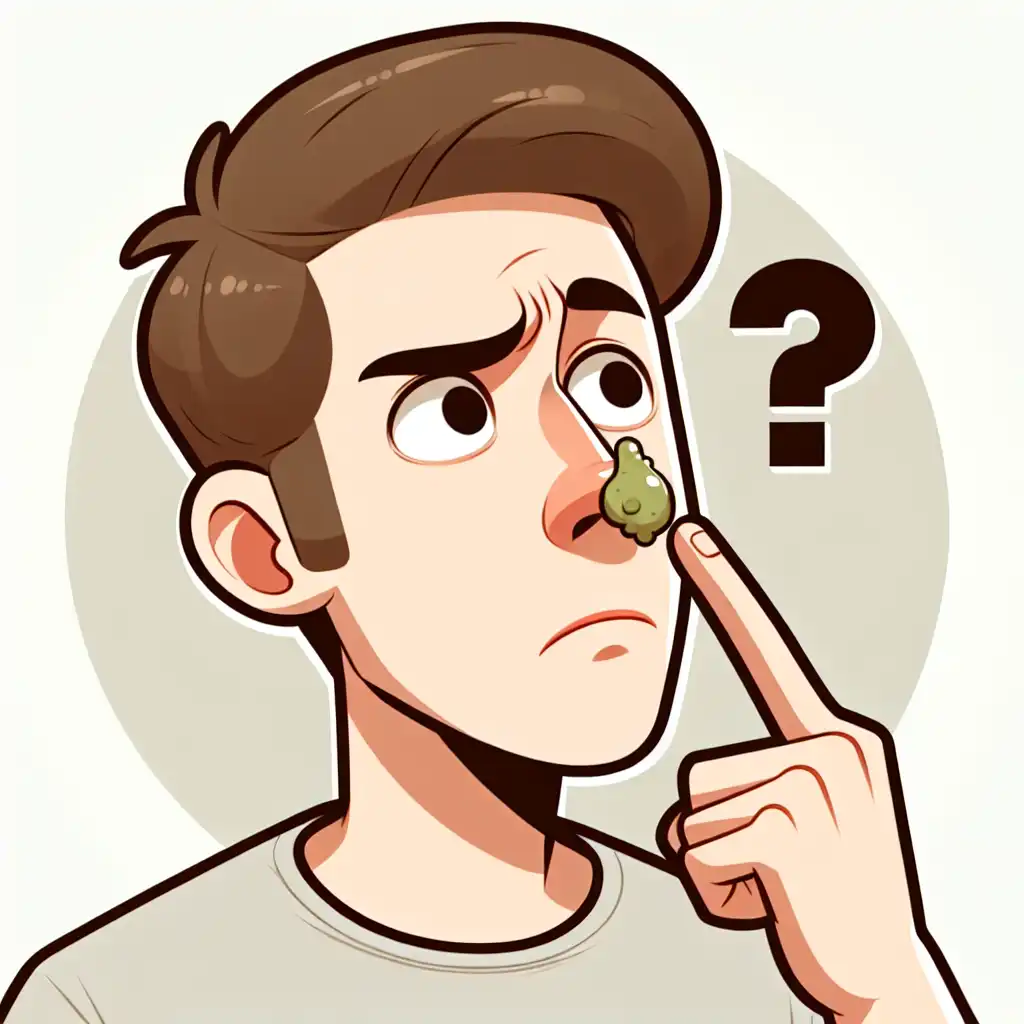
British slang for dried mucus in the nose.
He had a bogey hanging out of his nose.
오디오를 불러오지 못했어요. 잠시 후 다시 시도해 주세요.
The word 'bogey' has different meanings in different contexts. Here are some of them:1. Golf: In golf, 'bogey' means completing a hole in one stroke more than par. For example, if par for a hole is 4, and you complete it in 5 shots, you have made a bogey.2. Military: In military jargon, 'bogey' means an unidentified aircraft. It could possibly be an enemy aircraft.3. Childhood games: In children's games, 'bogey' is often used to refer to a monster or ghost.4. Personal hygiene: In British English, 'bogey' is also slang for a nasal mucus.So, the context in which 'bogey' is used will determine its meaning. It is important to understand the specific context in which it has been used to avoid any confusion.
Apparition refers to the ghostly manifestation of a deceased person, often with the intention of communicating a message or warning.
Apparition refers to a ghostly appearance or manifestation, while bogey refers to an imaginary creature or a score in golf.
단어 열기: Apparition →Both bogey and bugbear refer to something that causes fear or concern, but they are used in slightly different contexts.
Bugbear, on the other hand, usually describes a persistent worry or annoyance. It's often used in the context of something that's difficult to get rid of, like a bad habit or a recurring problem.
So, while both words refer to something that causes fear, bogey is typically used to describe a specific, fictional entity, while bugbear describes a more abstract concern.
단어 열기: Bugbear →Ghost refers to the spirit or soul of a dead person that people believe can appear to the living.
Bogey is more often used in a fictional or fictionalized context, while ghost is more directly associated with real-world beliefs and experiences.
단어 열기: Ghost →Bogey and nightmare are both words that describe something negative or frightening.
Bogey is typically used to describe something that is scary or unpleasant, but not necessarily a full-blown nightmare. For example, a child might be afraid of the bogeyman hiding in their closet, but it's not necessarily a nightmare scenario.
A nightmare is a much more intense and frightening experience.
Bogey can be used for describing smaller fears, while nightmare refers to a larger, more intense fear.
단어 열기: Nightmare →Phantom refers to something that is imaginary or illusory, and can describe ghosts or spirits.
Bogey is used in military and golfing contexts to refer to unidentified or extra strokes, while phantom describes imagined or hidden things.
단어 열기: Phantom →Spectre on the other hand typically refers to a ghost-like image, often associated with scary or unnerving situations.
Bogey is used more in playful or lighthearted situations, while spectre is used in more serious or eerie contexts.
단어 열기: Spectre →Spirit can refer to a wide range of things, including the essence or energy of a person or thing, a feeling of enthusiasm or inspiration, or a supernatural being like a ghost or angel.
Overall, while both words can describe something scary or supernatural, bogey is more specific to fears and scares, while spirit has a broader range of meanings.
단어 열기: Spirit →Spook describes something that is real but also scary.
It can describe a ghost, a spy, or anything that is mysterious or creepy. For example, a person might be spooked by a strange noise in their house or by the thought of a ghostly presence.
Bogey is used for imaginary scary things, while spook is used for real scary things.
단어 열기: Spook →course which is desirable from an architectural standpoint of view so do golfers rate seashore Paspalum as a birdie or a bogey I would definitely come back and I was very impressed with it we've came down to play three rounds
YouTube에서 보기 ↗All my life, I've been trying to make a hole-in-one. The closest I've come is a bogey.
Two birdies and a lot of bogeys doesn't really help. I say if you're going to do it, do it properly and be dreadful on all fronts.
I make a lot of bogeys and a lot of birdies.
Mistakes will turn into bogeys real quick.
At the U.S. Open, you're going to make bogeys.
Everyone is going to make bogeys and doubles and get bad breaks in bunkers. It's just kind of licking your wounds and taking what it gives you and move on.
I've always believed the greater danger is not aiming too high, but too low, settling for a bogey rather than shooting for an eagle.
Modern morality and manners suppress all natural instincts, keep people ignorant of the facts of nature and make them fighting drunk on bogey tales.
I don't really believe in bogey teams. The results might just be a coincidence, but we need to make sure the same thing doesn't happen at Wembley.
The Tories, every election, must have a bogy man. If you haven't got a programme, a bogy man will do.