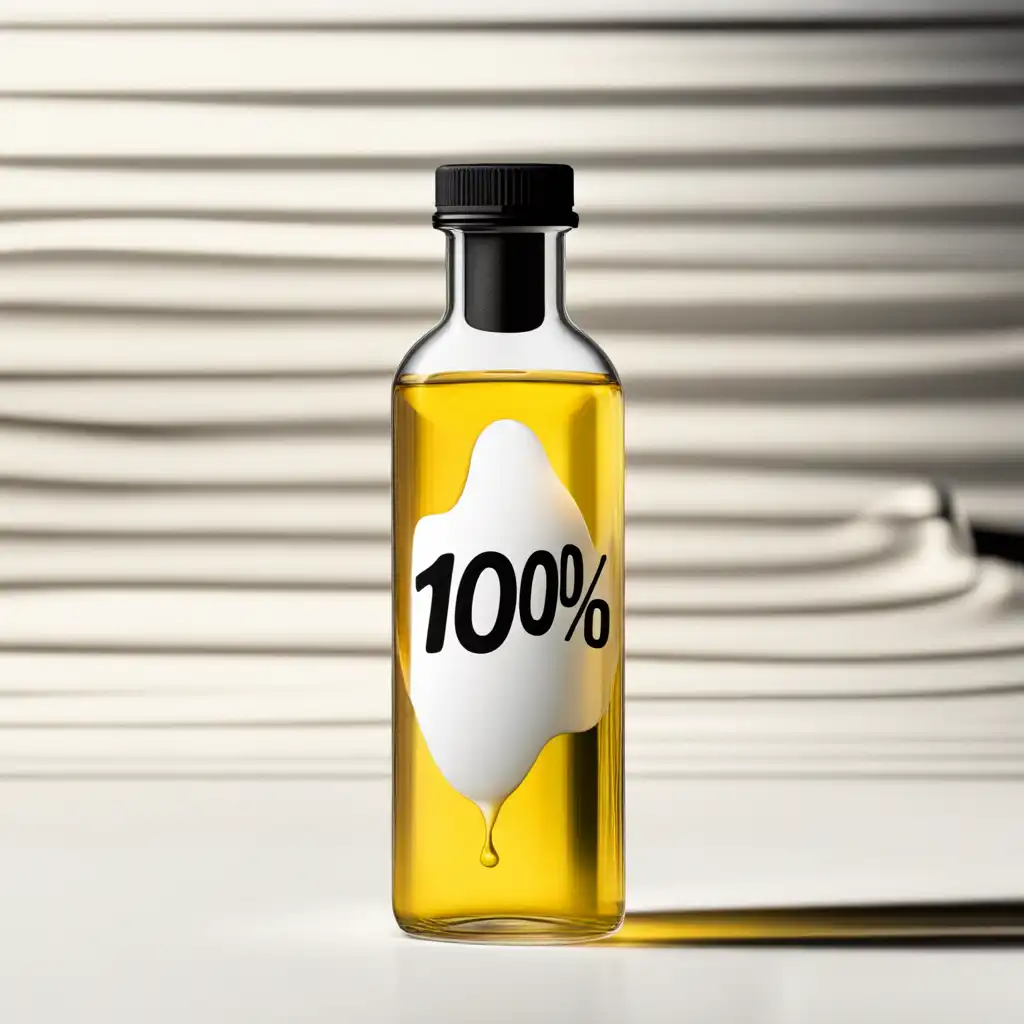
additive
noun additive
ˈædətɪv
A substance added to something in small amounts to improve or preserve it.
This oil has no artificial additives.
additive
ˈædətɪv
Cargando…
ˈædətɪv
A substance added to something in small amounts to improve or preserve it.
This oil has no artificial additives.

ˈædətɪv
Relating to or resulting from addition.
The radiation has an additive effect.
No se pudo cargar el audio. Inténtalo de nuevo más tarde.
The word 'additive' is used to describe something that is added to another substance to improve or enhance its quality, taste, texture, or properties. Examples of additives include preservatives, flavorings, colorings, and stabilizers that are commonly found in processed foods, drinks, and medicines. It is important to check the label of a product to see if it contains any additives that may cause allergies or other health issues. Additionally, the word 'additive' can also be used in mathematical and scientific contexts to refer to something that is added to a base or mixture.
Artificial refers to something that is not naturally occurring, or has been made by people rather than by nature.
Artificial substances can be both safe and unsafe for consumption, depending on the type and level of production process.
Therefore, additives can be artificial, but not all artificial substances are additives. Additives are applicable in food, cosmetic, and pharmaceutical products, whereas artificial substances can be used in a wide range of products.
Abrir palabra: Artificial →Chemical refers to a substance that is made up of atoms, molecules or ions.
Chemicals can be found in everyday objects like water and air.
Chemicals can also be used in manufacturing or processing to create new products. For example, cleaning products are made up of chemicals that help to break down dirt and grime.
In summary, additives are substances that are added to improve the properties of a product, while chemicals are substances that make up the product or are used in its manufacturing process.
Abrir palabra: Chemical →Enhance means to improve or intensify something that is already present. For example, adding salt to enhance the flavor of a dish, or using makeup to enhance one's natural features.
The difference between the two is that additive implies something new is being introduced, while enhance suggests that something is being improved or intensified.
Abrir palabra: Enhance →Both additive and extra refer to something additional or supplementary, but there is a subtle difference between the two.
Extra implies something is being added on top of what is already there, without necessarily improving or enhancing it.
For example, if you order a pizza with extra cheese, it means you want more cheese on top of the regular amount, without necessarily making the pizza better.
Additive is used in a more positive or beneficial sense, while extra is used simply to mean more of something.
Abrir palabra: Extra →Preservative, on the other hand, is a type of additive that specifically helps to prevent spoilage or decay in a product.
This can include substances like vinegar or salt, which delay the growth of bacteria, or chemical preservatives like sulfites, which prevent oxidation and discoloration.
In general, additives are used to enhance the properties of a product, while preservatives are used to prevent spoilage and ensure the product remains safe to consume or use.
Abrir palabra: Preservative →Stabilize means to make something steady or stable, usually by adding a substance or taking some action to prevent it from changing or deteriorating over time.
This could be applicable in a variety of scenarios, such as adding stabilizers to food or medications to keep them from breaking down, or stabilizing a structure with supports or braces to prevent it from collapsing.
Additive is used to improve something, while stabilize is used to keep something from deteriorating or changing over time.
Abrir palabra: Stabilize →Supplementary refers to something that is added to provide additional support, assistance or information. For example, supplementary materials are used in education to provide extra resources or information to enhance learning.
In a medical context, supplementary vitamins can be used to support and improve the health of an individual.
Additive means something added to improve or enhance something, while supplementary means something added to provide additional support, assistance or information.
Abrir palabra: Supplementary →Synthetic refers to something that is artificially made in a laboratory or factory using chemical processes.
For example, synthetic fabrics like polyester are made by combining chemicals in a factory.
Additives can be used in many industries like food, cosmetics, and plastics to improve the performance of a material. Synthetic materials can be used in many applications like fabrics, medicines, and plastics to create a product that is cheaper or performs better than natural materials.
Abrir palabra: Synthetic →Vermicomposting: How...
Ver en YouTube ↗The amazing thing about rotoscoping is that it's very malleable. Unlike green screen, where the computer subtracts out the background, rotoscoping is an additive technology in that you don't take anything away from the footage - you add layers on top of it.
Love no matter what %\PIPE%...
Ver en YouTube ↗I think of myself as more additive than initially creative; I don't come up with the stories.
Computing with fluids %\PIPE%...
Ver en YouTube ↗Even when they're not causing injury, human-controlled cars are often driven inefficiently, ineptly, antisocially, or in other ways additive to the sum of human misery.
Inside Bud's Beer...
Ver en YouTube ↗The difference between what all the people can do individually and the global consumption of nonrenewable resources is huge. The tension is... what will it take to get people to act in concert? There isn't any additive solution to the problem. It will be both governmental and social because that's the scale of the problem.
What is MSG and is it...
Ver en YouTube ↗Bottom line, we will continue to innovate and grow our fan base with Xbox while also creating additive business value for Microsoft.
Why is NASA sending a...
Ver en YouTube ↗You beat China by outcompeting them, by dominating the new technologies: wind, solar, electric vehicles, artificial intelligence, additive manufacturing. We should be reinvesting back in the United States and beating them on the economic playing field.
Ed Ulbrich: How Benjamin...
Ver en YouTube ↗How Benjamin Button got...
Ver en YouTube ↗Creating a Bio-Industrial...
Ver en YouTube ↗Giving a voice to young...
Ver en YouTube ↗