
rosin
noun rosin
ˈrɑːzn
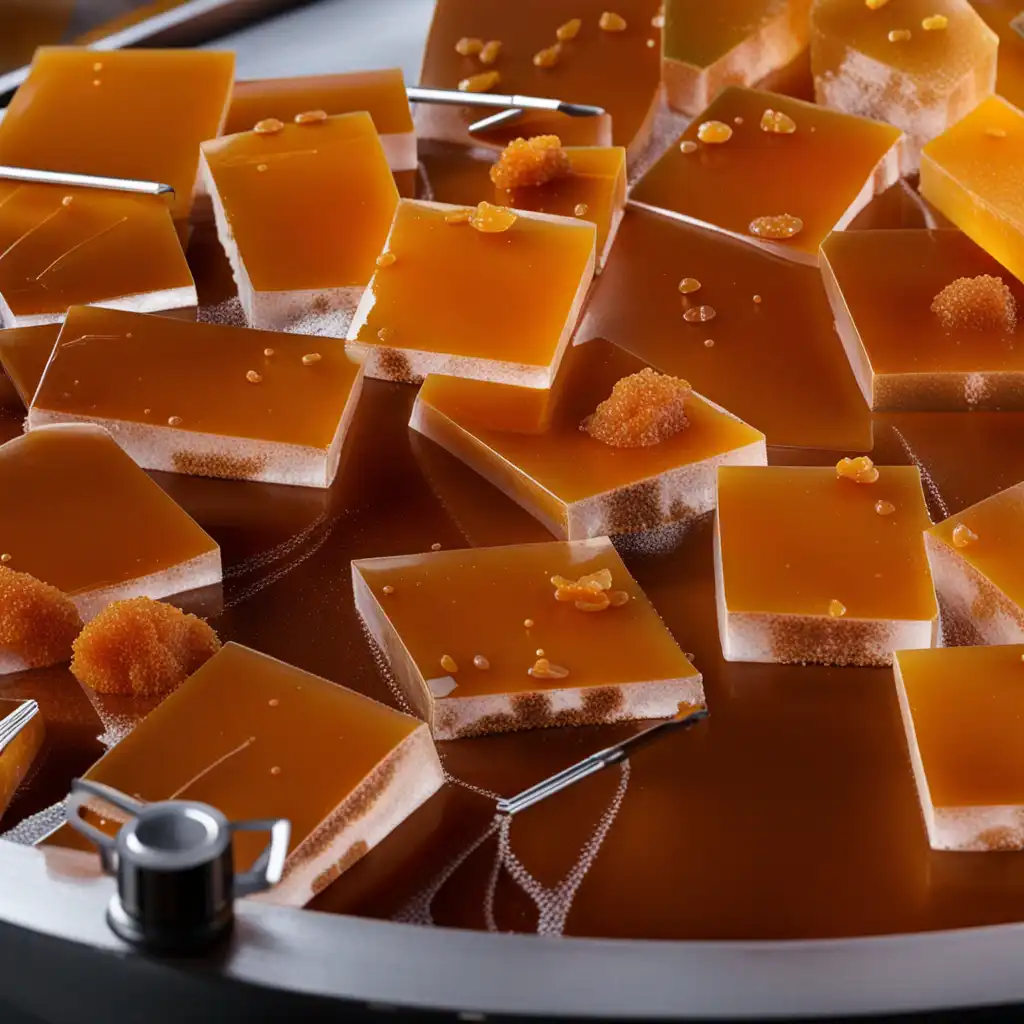
A hard, amber-colored substance from pine trees used to help the bow grip strings on stringed instruments
Before each performance, the violinist applied rosin to her bow.
rosin
ˈrɑːzn
불러오는 중…
ˈrɑːzn
A hard, amber-colored substance from pine trees used to help the bow grip strings on stringed instruments
Before each performance, the violinist applied rosin to her bow.
ˈrɑːzn
A sticky substance from pine trees used in other industries such as soap, paper, varnishes, and sealing wax.
Rosin is used in the manufacturing process of the soap.
오디오를 불러오지 못했어요. 잠시 후 다시 시도해 주세요.
Rosin is a sticky substance that is created from the sap of pine trees. It is used to make bow strings grip the bow hairs better, which helps musicians to play their instruments more easily. Rosin is also used for sports equipment like baseballs, where it helps improve grip. Additionally, it is used in industrial applications like making paper and soaps.
Amber is a fossilized tree resin that is typically used to make jewelry or decorative objects.
So, while both amber and rosin have a sticky consistency, they are used in very different ways - amber as a decorative material and rosin as a grip aid.
단어 열기: Amber →Balsam and rosin are both derived from trees, but they have different properties and uses. Balsam is a resinous liquid that contains essential oils, and is used in perfumes, cosmetics, and medicine.
It is also used to make varnish and as a flavoring agent in food. Rosin is a solid resin that is obtained by heating balsam.
It is also used in ceramics, textiles, and papermaking. Balsam is applicable in cosmetics, medicine and food as a flavoring agent, while rosin finds its applicability in music, ceramics, textiles and papermaking.
단어 열기: Balsam →Gum is a sticky substance that comes from the sap of some trees and plants.
It is used in many products such as chewing gum, candy, and glue. Rosin is a more refined form of gum that has been heated and treated to remove impurities.
It is commonly used in stringed instruments to help the bow grip the strings better and produce a clearer sound. While both substances are derived from trees and plants, gum is more of a raw material while rosin has been processed for specific applications.
단어 열기: Gum →Pitch and rosin are both sticky substances derived from trees.
Pitch is a dark, tar-like substance that is extracted from pine trees. It is commonly used in construction to waterproof roofs and ships.
Pitch is also used as a sealant for pipes and other structures.
Pitch is primarily used in construction, while rosin is mainly used in music and sports.
단어 열기: Pitch →Resin and rosin are both sticky substances, but they are not the same thing.
Resin is a natural or synthetic organic compound that hardens and becomes solid when it dries. It is commonly used in the production of plastics, varnishes, adhesives, and coatings.
Natural resins are often harvested from trees, such as pine or cedar, and used in products like incense or essential oils.
Rosin is a type of resin that is produced by heating and distilling the sap or gum of pine trees. It is commonly used as a bowstring lubricant for musical instruments like violins or cellos or for the grip of gymnastics, rock climbing, and weightlifting equipment.
Resin is a generic term for a group of sticky substances that can be made from various materials, while rosin is a specific type of resin that is derived from pine trees and is used in certain applications, such as in sports or music.
단어 열기: Resin →Rosin and sap are both substances that come from trees, but they have different uses.
Sap is a liquid that is found in the inner bark of a tree. It is a mixture of water, minerals, and nutrients that the tree needs to grow.
Sap is often harvested from maple trees in the spring to make maple syrup.
Rosin is used mainly in music and sports to improve grip, while sap is used primarily in making maple syrup and cosmetics.
단어 열기: Sap →The science of friction...
YouTube에서 보기 ↗Exxon Valdez Lessons...
YouTube에서 보기 ↗