cinematographic
adjective cinematographic
ˌsɪnəmætəˈɡræfɪk
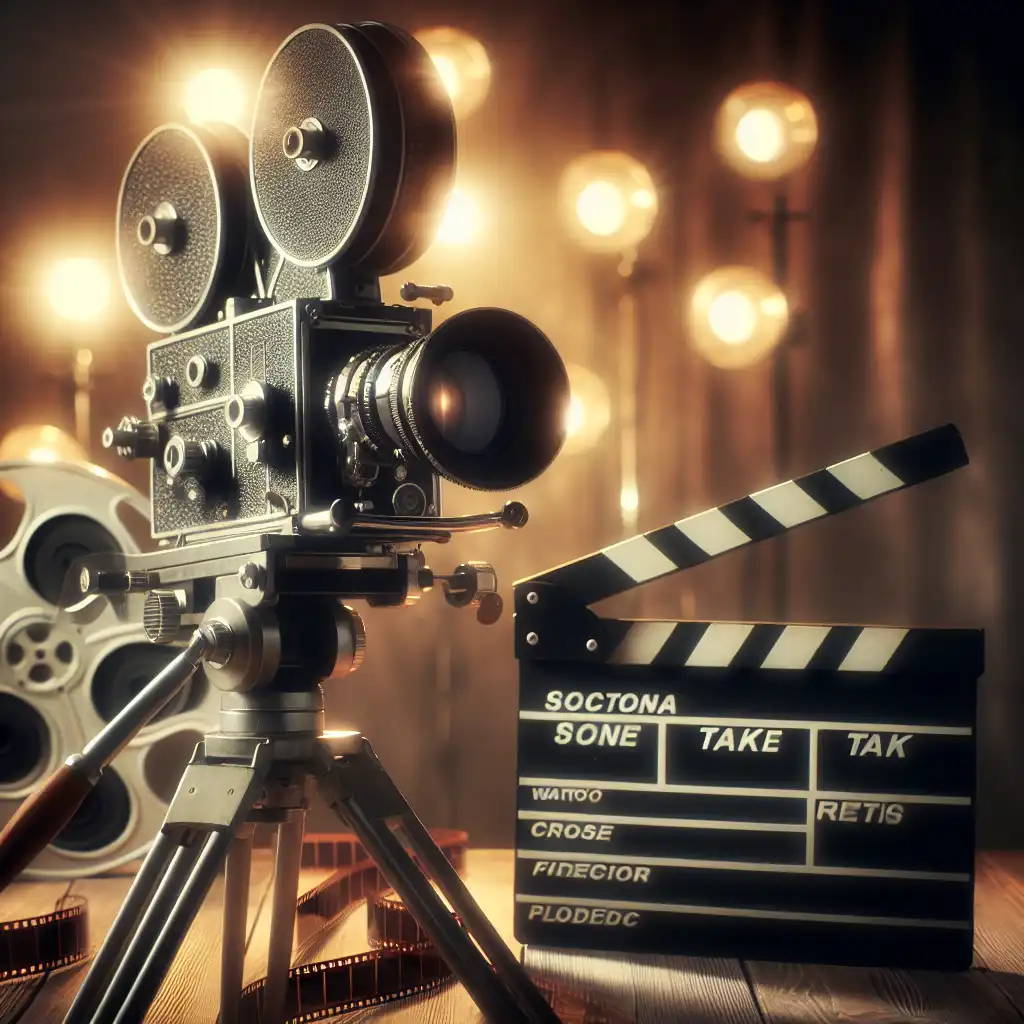
Related to the art or technique of making movies.
A cinematographic masterpiece that received several awards.
cinematographic
ˌsɪnəmætəˈɡræfɪk
불러오는 중…
ˌsɪnəmætəˈɡræfɪk
Related to the art or technique of making movies.
A cinematographic masterpiece that received several awards.
ˌsɪnəmætəˈɡræfɪk
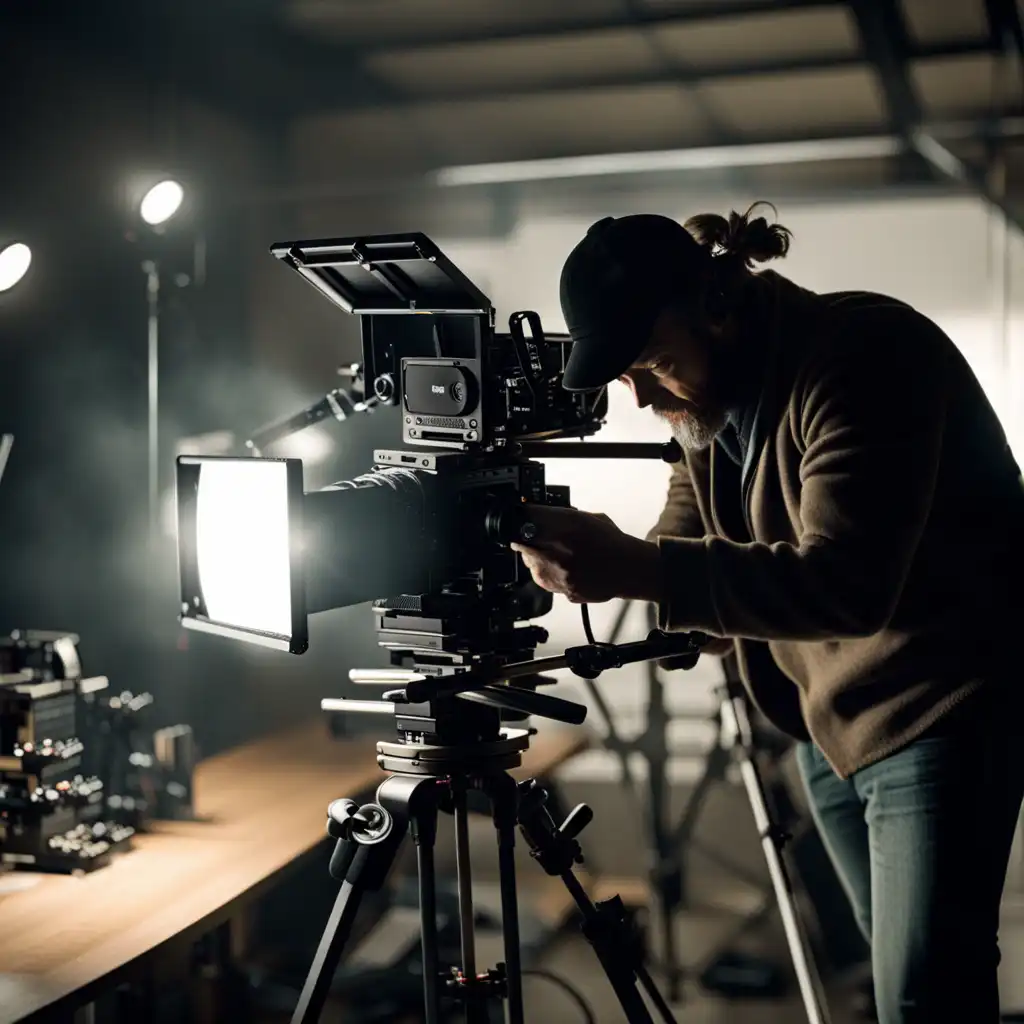
Of or relating to the recording of visual images by means of a movie camera.
The cinematographic process requires expert understanding of light and movement.
오디오를 불러오지 못했어요. 잠시 후 다시 시도해 주세요.
The word 'cinematographic' is used to describe something related to the art of making films or movies. You might hear it used to describe the way a certain movie was shot, edited, or produced. For example, someone might say that a particular film had great cinematography if the camera work and visual effects were impressive. It's a more formal word, so you may not hear it used as often as other terms like "film" or "movie," but it's still important to know if you're interested in the world of film-making.
Celluloid refers to the material that was historically used to make films. It is a transparent plastic that was common in the production of movies from the late 1800s to the mid-1900s.
Today, celluloid is mostly used for making toys, hairbrushes, and other small items.
Celluloid refers specifically to the material used to make movies, while cinematographic refers to the broader concept of making movies as an art form.
단어 열기: Celluloid →The words cinematic and cinematographic both relate to movies or films.
However, cinematic is more commonly used to describe the overall feel or style of a movie - for example, a movie might be described as having a cinematic quality if it has impressive visuals, a powerful soundtrack, and a sense of drama or excitement.
Both words can describe movies, but they have slightly different focuses - cinematic is more about the overall experience, while cinematographic is more about the specific techniques used.
단어 열기: Cinematic →Both cinematographic and filmic are adjectives that are commonly used to describe movies or films.
Filmic refers to the qualities of a film that make it unique to the medium of cinema, such as pacing, storytelling, and overall style.
Cinematographic refers to the technical and artistic aspects of a film while filmic refers to the overall qualities of a film that make it unique to the medium of cinema.
단어 열기: Filmic →Cinematographic and movie are related terms but have different meanings.
Movie is a more general term that refers to a motion picture or film, regardless of its quality or artistic merit. It is a common term used to describe any type of moving picture that is watched for entertainment or informational purposes.
Cinematographic is more appropriate when discussing the technical aspects of film and the process of making movies, while movie is more appropriate when discussing the content of a film and the experience of watching it.
단어 열기: Movie →The term photographic is used to refer to still images or photographs. It is the art and science of capturing images using light or other forms of energy to create a permanent recording of a moment.
Cinematographic would be used when someone is talking about the process of creating a movie or film, while photographic would be used when talking about capturing still images.
단어 열기: Photographic →Screenplay, on the other hand, refers to the written script of a film. It includes the dialogue, scene descriptions, and other written instructions for how the story is meant to be portrayed on screen.
Both words are applicable in the film industry, with cinematographic focusing more on the production and visual aspects of a movie, and screenplay focusing on the written story and instructions for the actors and filmmakers.
단어 열기: Screenplay →Cinematographic generally refers to things related to movies and filming, while theatrical refers to things related to theater and stage performances.
Cinematographic would be applicable when talking about movie techniques and equipment, while theatrical would be used when talking about stage performances and live acting.
단어 열기: Theatrical →Cinematographic refers to the art and techniques of making films, while visual refers to anything that can be seen or perceptible by the eyes.
Visual is a broader term that can refer to anything that can be seen, including art, photographs, or even just the appearance of something.
Essentially, cinematographic is more specific while visual is more general.
단어 열기: Visual →Every time you are getting ready to make a shot in a documentary film, you are asking yourself questions about your cinematographic approach. You are approaching the truth, but the image is never the truth itself.
When you're doing a film, narrative is your most important tool, but it's a tool to create a cinematographic experience, to create those moments that are beyond narrative, that are almost an abstraction of that moment that hits your psyche.
It's cinematographic to smoke. Imagine Lauren Bacall without a cigarette.
I always try to preserve my cinematographic style, even while I work in the US. I wish to always be European.
The Real is ever-present, like the screen on which the cinematographic pictures move. While the picture appears on it, the screen remains invisible. Stop the picture, and the screen will become clear. All thoughts and events are merely pictures moving on the screen of Pure Consciousness, which alone is real.
What I like to do with every film is to bring a form, like a cinematographic proposal. If you watch 'S21,' it's a form; 'Duch, Master of the Gates of Hell' is a different proposal.