taste
noun taste
teɪst
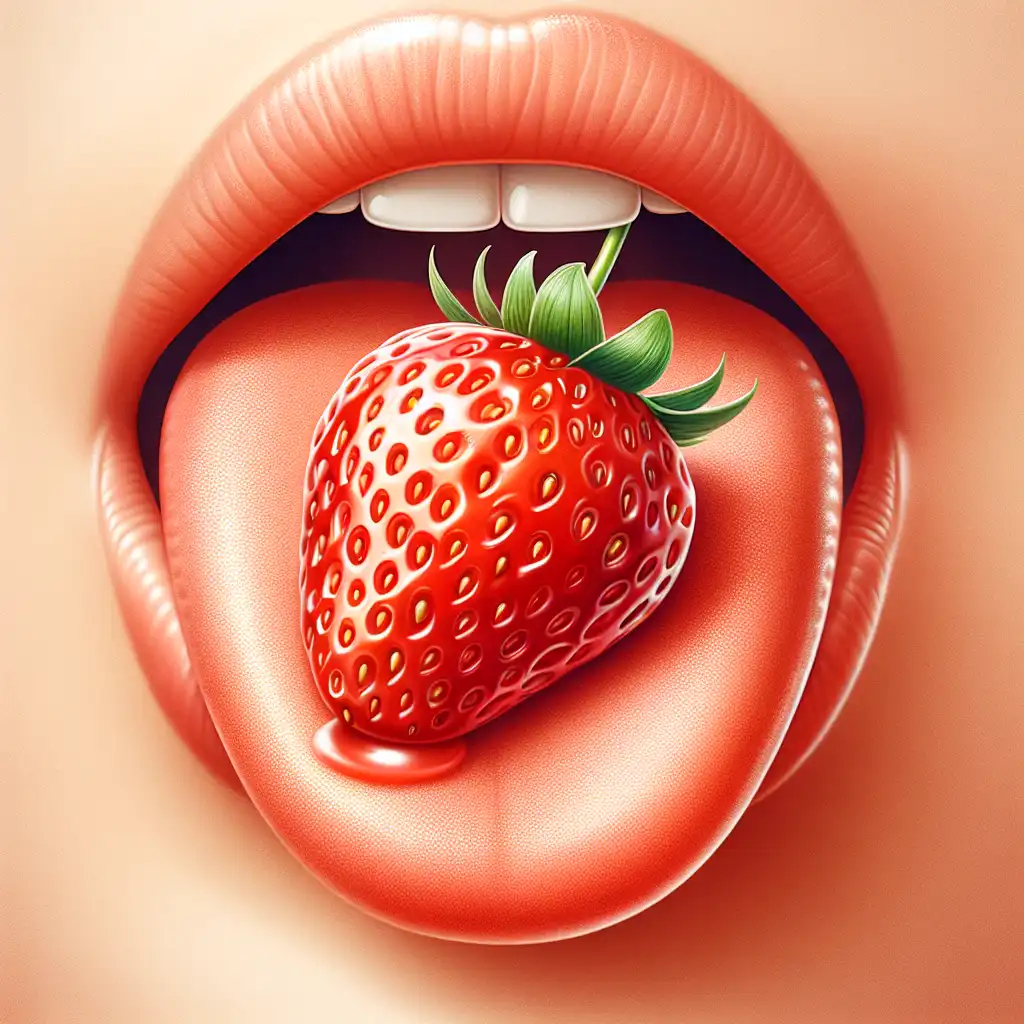
The sensation realized by the tongue when it experiences food or drink.
I love the taste of strawberries.
taste
teɪst
読み込み中…
teɪst
The sensation realized by the tongue when it experiences food or drink.
I love the taste of strawberries.

teɪst
A person's preference or liking for something.
Everyone has their own taste in music.

teɪst
To experience or perceive the flavor of something by putting it in your mouth.
I tasted the soup and it was delicious.

teɪst
A small amount of experience of something which gives you an idea of what it's like.
I've had a taste of the superstar lifestyle and I can see why people get addicted.

teɪst
To have a slight flavor of something, often something unwelcome.
The water tastes a little of chlorine.

teɪst
A person's ability to recognize and appreciate what is beautiful, good, or well done.
She has excellent taste in art.
音声を読み込めませんでした。しばらくしてからもう一度お試しください。
The word 'taste' is used mainly to describe the flavor of food and drinks. For example, "This soup has a spicy taste" means the soup is spicy. It can also be used to describe preferences or opinions about something. For example, "I don't have a taste for spicy food" means you don't like spicy food. Additionally, it can be used to describe the ability to distinguish between flavors. For example, "She has a good taste in wine" means she has the ability to tell good wine from bad wine. It is a versatile word that can be used in many contexts related to food and drink, and also in conversations about personal preferences or opinions.
Flavor refers to the distinctive quality that a food or drink has, often related to its ingredients and seasoning. Taste refers to the way something feels in the mouth, including sweet, salty, sour, bitter, and umami.
So, flavor is a more general term, while taste refers specifically to the different sensations on the tongue. When you talk about the overall deliciousness of something, you might use the word flavor.
単語を開く: Flavour →Gusto refers to the enjoyment or enthusiasm with which something is done or experienced, while taste refers to the sense of flavor or preference for certain foods or things.
For example, if you say "I ate the pizza with gusto," you mean you ate it with a lot of enthusiasm or enjoyment. If you say "I don't have a taste for spicy food," you mean you don't prefer or like spicy food.
Gusto is applicable in situations where you want to express enthusiasm, enjoyment or zest in doing something or experiencing something, while taste is more applicable when expressing your personal preference for something or the way something tastes.
単語を開く: Gusto →Palate refers to the physical part of your mouth that can distinguish between different flavors and textures.
Palate refers to the physical ability to taste, while taste refers to personal preference for certain flavors.
単語を開く: Palate →Relish means to enjoy or take pleasure in something, particularly food or an experience. It implies a sense of excitement or enthusiasm.
For example, you might say that you relish the opportunity to try new foods or that you relish spending time with your friends.
Relish relates to how much pleasure or excitement you feel when experiencing something, while taste is purely focused on the flavor sensations you experience when eating or drinking.
単語を開く: Relish →Save means to keep or preserve something for future use or to prevent harm, while taste means to sense or experience the flavor of something.
For example, you save money in a bank account so you can use it later or save leftovers in the fridge to eat later.
Save is applicable when wanting to hold onto something for the future, while taste is applicable when trying to experience a flavor.
単語を開く: Save →Smack usually refers to a sudden, sharp sound, a blow, or a hit.
It can also mean a loud kiss, especially on the cheek. In slang, smack can mean a drug called heroin.
Smack is a sound or hit, while taste is a sensation or flavor. Smack is applicable in situations where there is a sudden sound or a punch, and taste is applicable when you are talking about food or trying a new product.
単語を開く: Smack →Tang refers to a sharp or sour flavor that is often associated with citrus fruits or certain candies. It is a more specific term than taste and can describe a specific element of a food or drink.
So, while tang refers to a specific aspect of taste, taste is a broader term that encompasses all of the various flavors and sensations that we experience when we eat or drink something.
単語を開く: Tang →Zest refers to the outermost layer of the rind of a citrus fruit such as lemon, lime, or orange.
In conclusion, taste refers to the actual flavor of something when consumed, while zest refers to the tangy and flavorful outermost layer of citrus fruits.
単語を開く: Zest →This reward system is a series of electrical and chemical pathways across several different regions of the brain. It's a complicated network, but it helps answer a single subconscious should I do that again? That warm fuzzy feeling you get when you taste Grandma's chocolate cake? That's your reward system saying,
YouTube で見る ↗Praise us as we are tasted, allow us as we prove.
they have proliferated virtually exterminated the local fish stocks and they've now developed a taste for pigeon
YouTube で見る ↗No man enjoys the true taste of life, but he who is ready and willing to quit it.
It would be nice to be objective in life, in many ways. The problem is that we have these color-tinted glasses as we look at all kinds of situations. For example think about something as simple as beer. If I gave you a few beers to taste
YouTube で見る ↗I don't drink coffee. I've never had a cup of coffee in my entire life. That's something you probably don't know about me. I've hated the taste since I was a kid.
and for years I always used to eat them like this. What? And they taste disgusting because they're full of-- --this yellow kind of weird stuff and really pungent. It stays with you forever. But if you cook them and you barbecue them up, then it's perfect.
YouTube で見る ↗My characters do have some fantastic taste in men.
we take that flour and we cook it we bake bread and the heat of the fire makes the food taste nice but most importantly helps to break down the food so that we can absorb it so in a very real sense the mill stones are like a
YouTube で見る ↗There's no common taste in this world.
meeting the writer halfway in the imaginative play of creating a dynamic world of the senses. So when you write use well-chosen words to engage sound sight taste touch smell and movement.
YouTube で見る ↗Sometimes it's more important to be human, than to have good taste.
and is now a delicacy. Unfortunately these deep water fish don't reproduce until they're at least ten years old, making them extremely vulnerable to overfishing when the young are caught before they've had the chance to spawn. Consumer taste and prices can also have harmful effects.
YouTube で見る ↗A kiss that is never tasted, is forever and ever wasted.
diverse group of arthropods in the world being one of the earliest animals to walk on land as a result of having poor eyesight they communicate through touch they navigate their environment by feeling with their legs and then 10i and are able to taste their surroundings
YouTube で見る ↗Taste is so much more important than fashion.
So breeders have to consider everything from how well apples grow in certain climates to their color taste and size. And sometimes finding the perfect fit means breeding something new. To create apples with desirable characteristics,
YouTube で見る ↗Bad taste is simply saying the truth before it should be said.
And I think once you've had that taste it's just you can't let it go. It's not quite adrenaline junkie stuff but you want to do it again, and so it would be absolutely incredible to do it twice in a lifetime. What a privilege.
YouTube で見る ↗Read as you taste fruit or savor wine, or enjoy friendship, love or life.