
princeling
noun princeling
ˈprɪnslɪŋ
Son of a prince, king, or high-ranking person
The king's princeling will inherit the throne next.
princeling
ˈprɪnslɪŋ
読み込み中…
ˈprɪnslɪŋ
Son of a prince, king, or high-ranking person
The king's princeling will inherit the throne next.
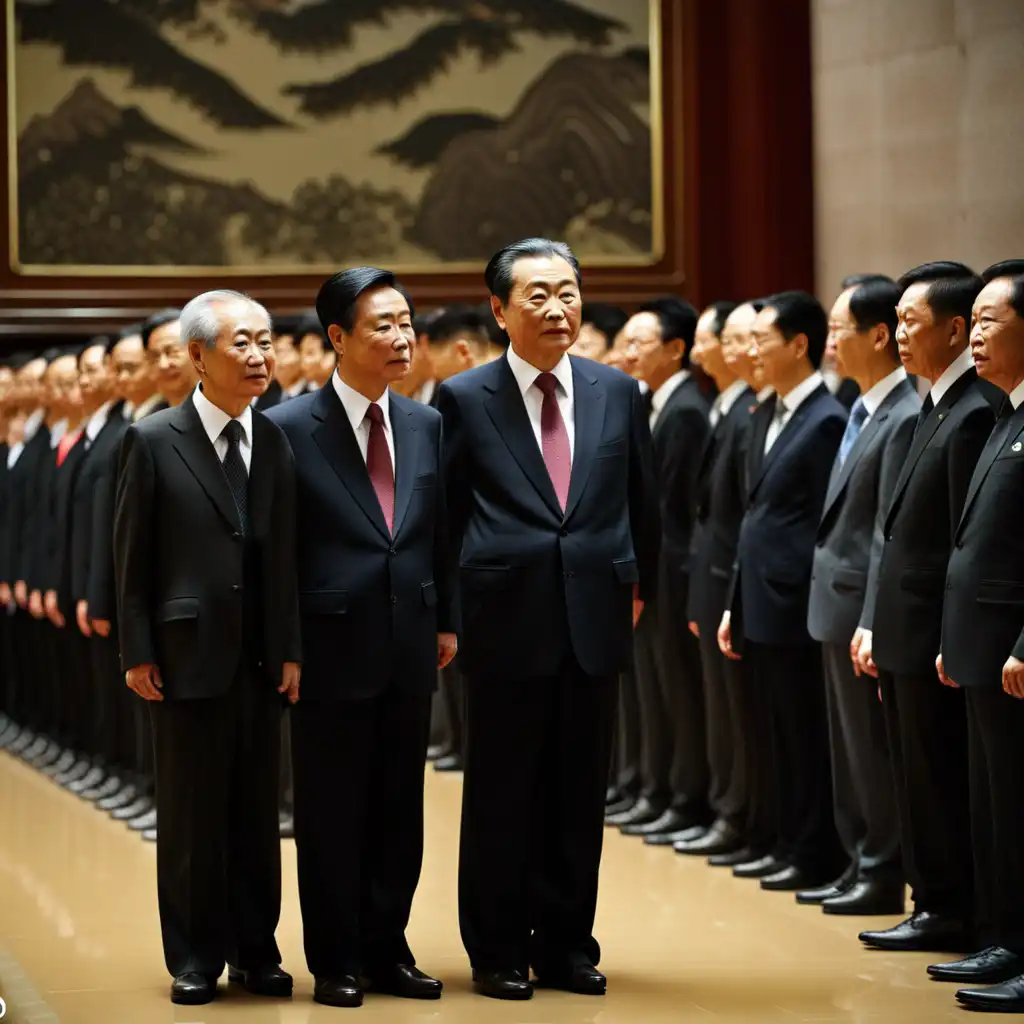
ˈprɪnslɪŋ
In China, a relative or associate of a revolutionary veteran who holds a key position in the government or military
The current government has several princelings from the revolutionary era.
音声を読み込めませんでした。しばらくしてからもう一度お試しください。
The word 'princeling' is used to describe a person who is the child of a powerful or important person, such as a prince or a political leader. It is often used in a negative way to imply that the person has received unfair advantages or opportunities because of their family connections rather than their own abilities. For example, if you were reading an article about a young person who was appointed to a high-ranking position in a company despite having little experience or qualifications, you might see the word 'princeling' used to criticize the decision as nepotism.
A descendant is someone who is related to a person that came before them, like a great-great-grandchild. It is a term used in genealogy to describe the relationships between family members across generations.
Descendant is applicable in genealogy research and tracking family relationships, while princeling describes minor members of royalty or aristocracy.
単語を開く: Descendant →An heir is someone who is next in line to inherit something, usually property or a position of power. For example, the heir to the throne is the person who will become king or queen after the current monarch passes away.
It can sometimes have a negative connotation, implying that the person is not deserving of their title or is overly entitled.
An heir is someone who is set to inherit property or power, while a princeling is a young prince who may not yet be fully established in their role.
単語を開く: Heir →Offspring refers to a person's child or children, while princeling refers to a young prince or a person who acts as if they are a prince.
Offspring can refer to any child regardless of their status or position, while princeling usually only applies to those who are part of a royal or noble family.
In simpler terms, offspring refers to a biological relationship, while princeling refers to a social relationship.
単語を開く: Offspring →Scion refers to a descendant of a wealthy and influential family. It is a more neutral term that simply denotes someone's lineage or ancestry.
Princeling describes someone who has gained power and influence due to their family connections, while scion simply refers to someone's lineage or ancestry.
単語を開く: Scion →Successor can refer to anyone who is chosen or expected to take over an important role, position, or title from someone else.
In summary, while both words relate to the idea of someone inheriting a position from someone else, princeling implies a sense of entitlement or privilege, while successor suggests that the person has earned their position through their own efforts.
単語を開く: Successor →Behind the Great...
YouTube で見る ↗Michael Anti: Behind the...
YouTube で見る ↗