derailment
noun derailment
diːˈreɪlmənt
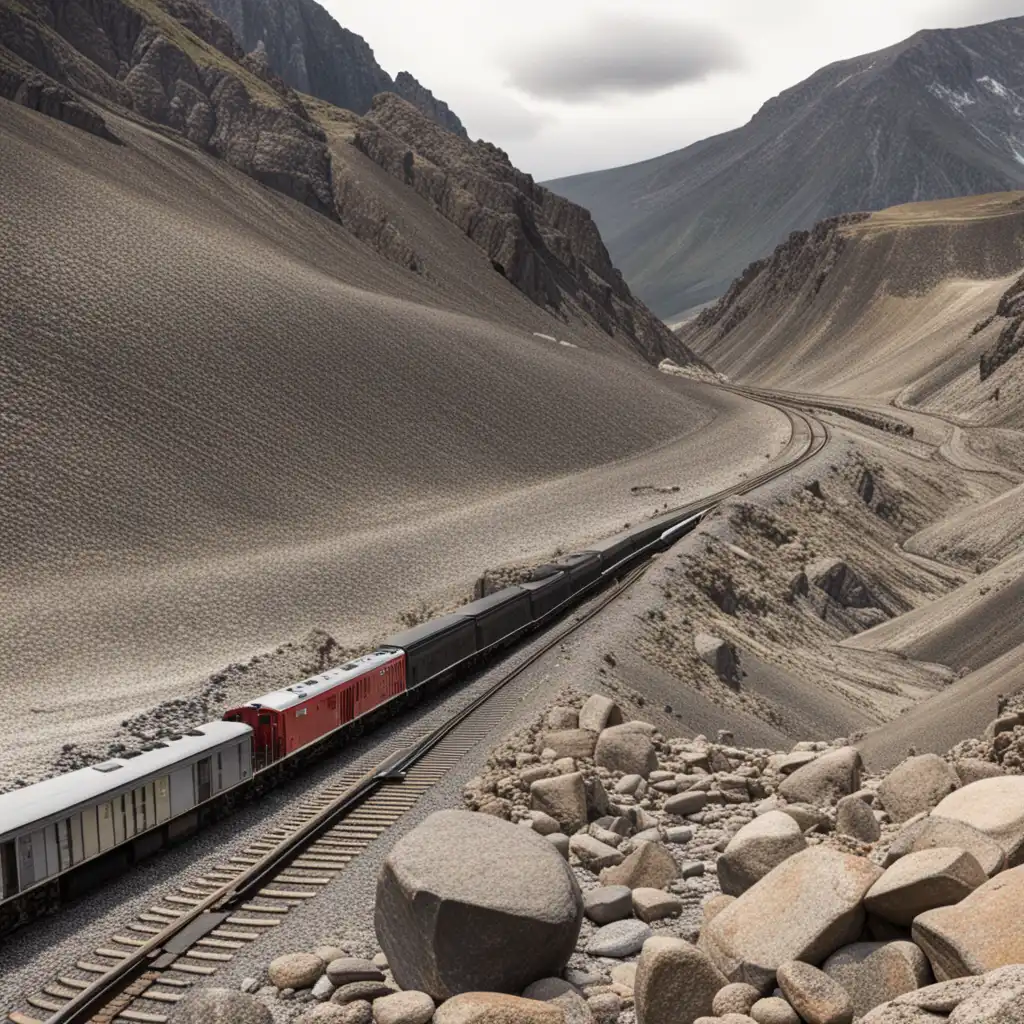
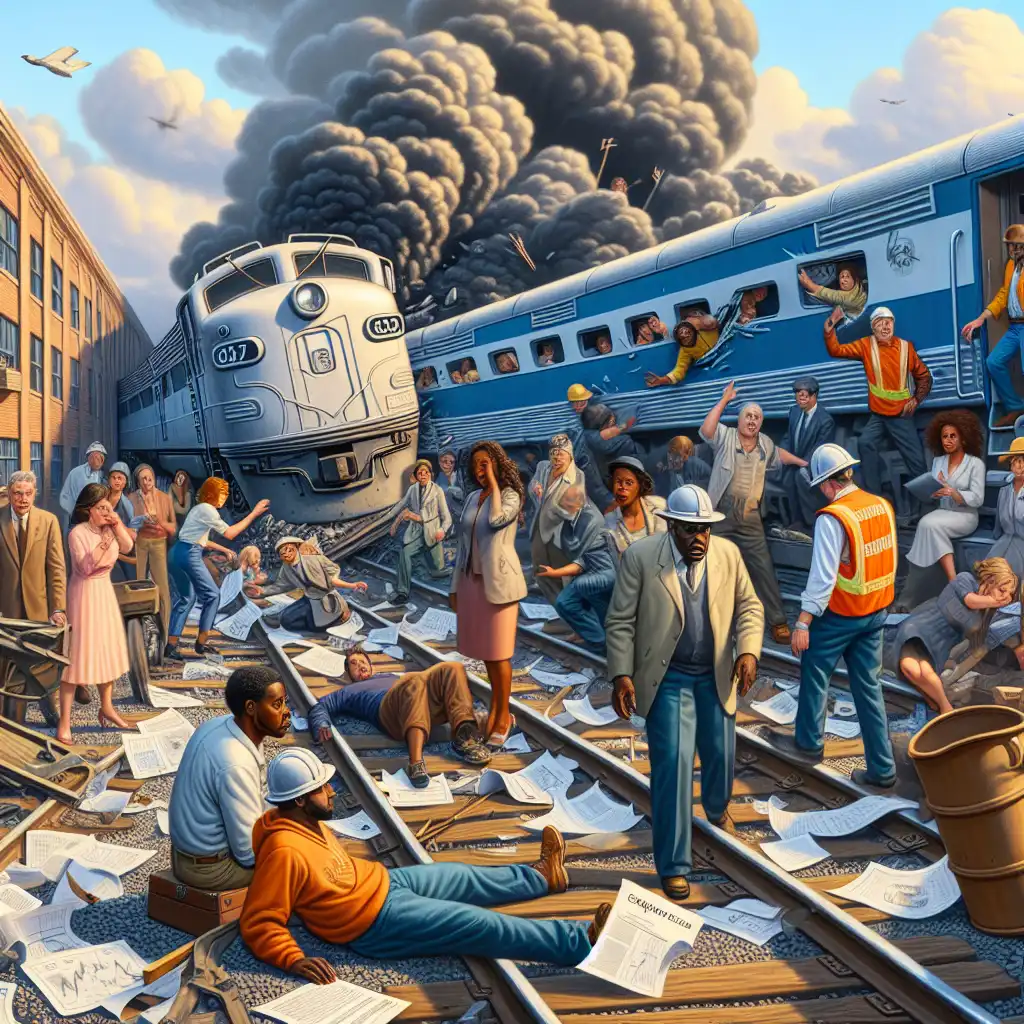
The act or process of a train or tram leaving its tracks accidentally.
The train accident was caused by a derailment due to a landslide on the tracks.
derailment
diːˈreɪlmənt
Loading…
diːˈreɪlmənt
The act or process of a train or tram leaving its tracks accidentally.
The train accident was caused by a derailment due to a landslide on the tracks.
diːˈreɪlmənt
A disturbance or problem that throws an operation or plan off its intended course.
The project faced a minor derailment due to some unexpected issues.
Audio could not be loaded. Please try again later.
The word 'derailment' means when something goes off track or away from its planned path. It is often used to describe a train that has come off the tracks, but it can also be used to describe things like a plan or a discussion that doesn't go as expected.
Aberration refers to a deviation or departure from what is normal or expected, while derailment refers to a sudden or unexpected interruption of a process or event, often causing it to go off track.
Aberration is applicable when referencing something that is out of the ordinary, such as an unusual behavior or occurrence.
In simpler terms, an aberration is something unusual or unexpected, while a derailment is when things go wrong and things don't go as planned.
Open word: Aberration →Derangement refers to a mental or emotional disorder or disturbance. It is a non-physical incident that affects an individual's thinking, behavior, and mood.
Derailment is applicable when discussing transportation incidents, while derangement is applicable when discussing mental or emotional disturbances.
Open word: Derangement →Deviate means to depart from a planned or expected course of action or behavior.
Open word: Deviate →Digression refers to a temporary departure from the main topic or subject at hand.
Derailment refers to a situation that goes off course or gets out of control, while digression refers to a temporary departure from the main topic.
Open word: Digression →Distraction means getting diverted from the task at hand due to something else that catches attention or focus.
Derailment is a more significant deviation from the plans, while a distraction is a smaller disruption in attention.
Open word: Distraction →Misdirection refers to intentional deception or diversion. Usually, misdirection involves deliberately redirecting someone's attention away from the true goal or purpose.
Magicians use misdirection to make their tricks seem more impressive, while politicians may use misdirection to distract voters from important issues.
Derailment is an accidental deviation from the intended path, while misdirection is a deliberate attempt to divert attention or deceive.
Open word: Misdirection →Obstruction refers to anything that blocks or hinders movement or progress. It could be a physical object or a situation that prevents things from moving in the desired direction.
Derailment is applicable in the context of trains or transport, while obstruction is a more general term that can be used in various situations where something is blocking the path.
For example, a tree fallen on a road could be an obstruction, while a train going off its tracks could be a derailment.
Open word: Obstruction →It is typically used when referring to transportation systems or operations. Stray refers to something that has moved away from its intended or proper course or location.
It is used in a broader context for anything that has gone astray such as a stray animal.
Open word: Stray →These Robots Come to the...
Watch on YouTube ↗None of us has control over the economy, the job market, or anything else in the global sense. But we are 100% in charge of how we respond to challenges that come our way, be it the loss of a job, a career derailment, or some other disappointment.
The costly unilateralism of the younger Bush presidency led to a decade of war in the Middle East and the derailment of American foreign policy at large.