subsidence
noun subsidence
səbˈsaɪdns
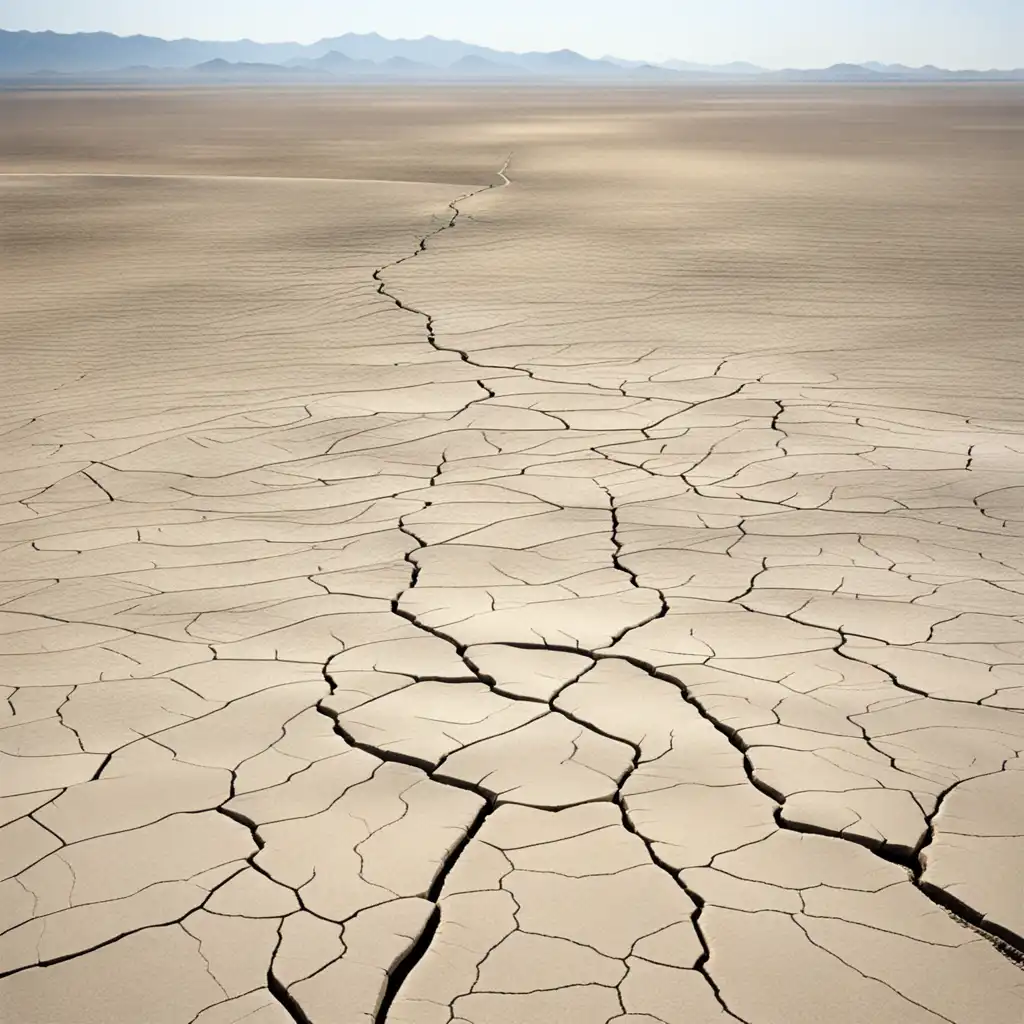
The process of land sinking to a lower level
The subsidence of the land caused by the earthquake was catastrophic.
subsidence
səbˈsaɪdns
加载中…
səbˈsaɪdns
The process of land sinking to a lower level
The subsidence of the land caused by the earthquake was catastrophic.

səbˈsaɪdns
A decrease in amount, intensity, or degree
The patient's fever showed sign of subsidence after taking the medication.
səbˈsaɪdns
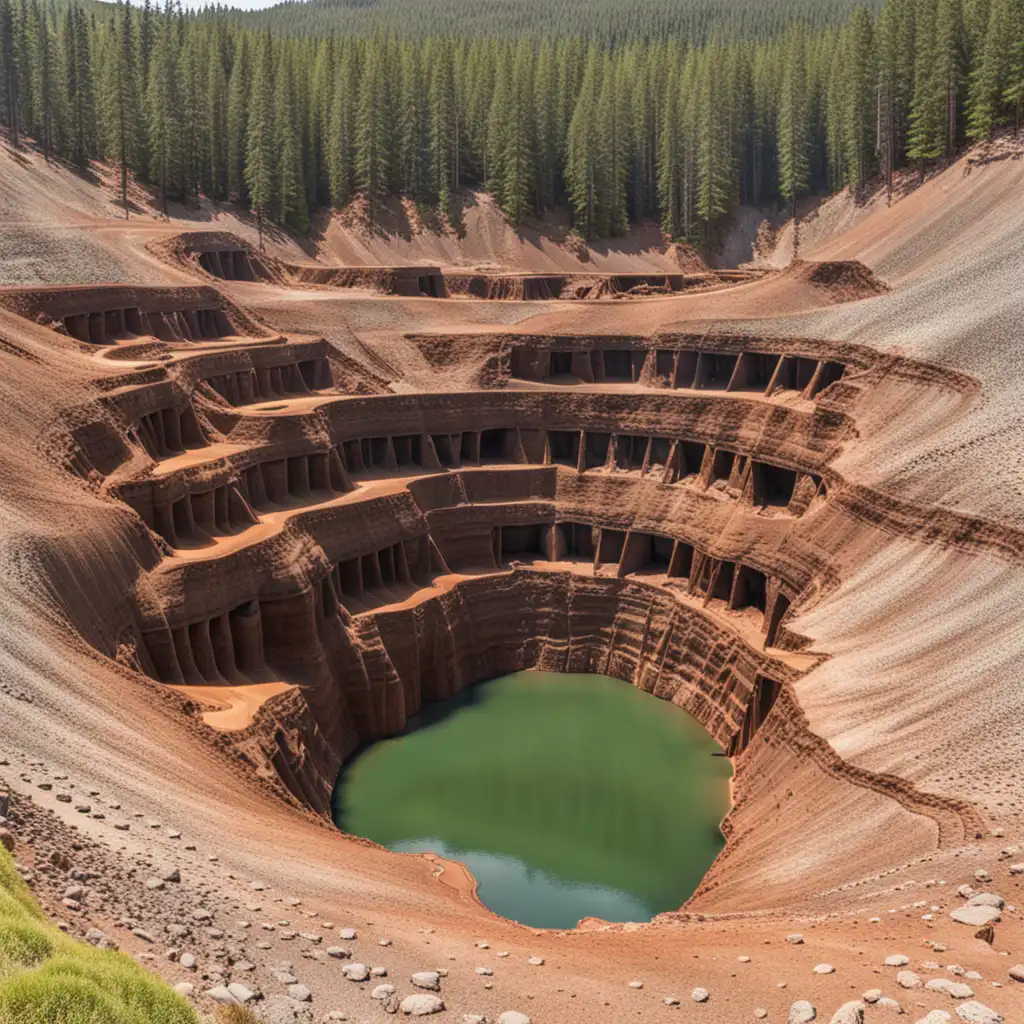
The gradual caving in or sinking of an area of land
Subsidence is a serious issue in mining areas where the ground is unstable.
səbˈsaɪdns
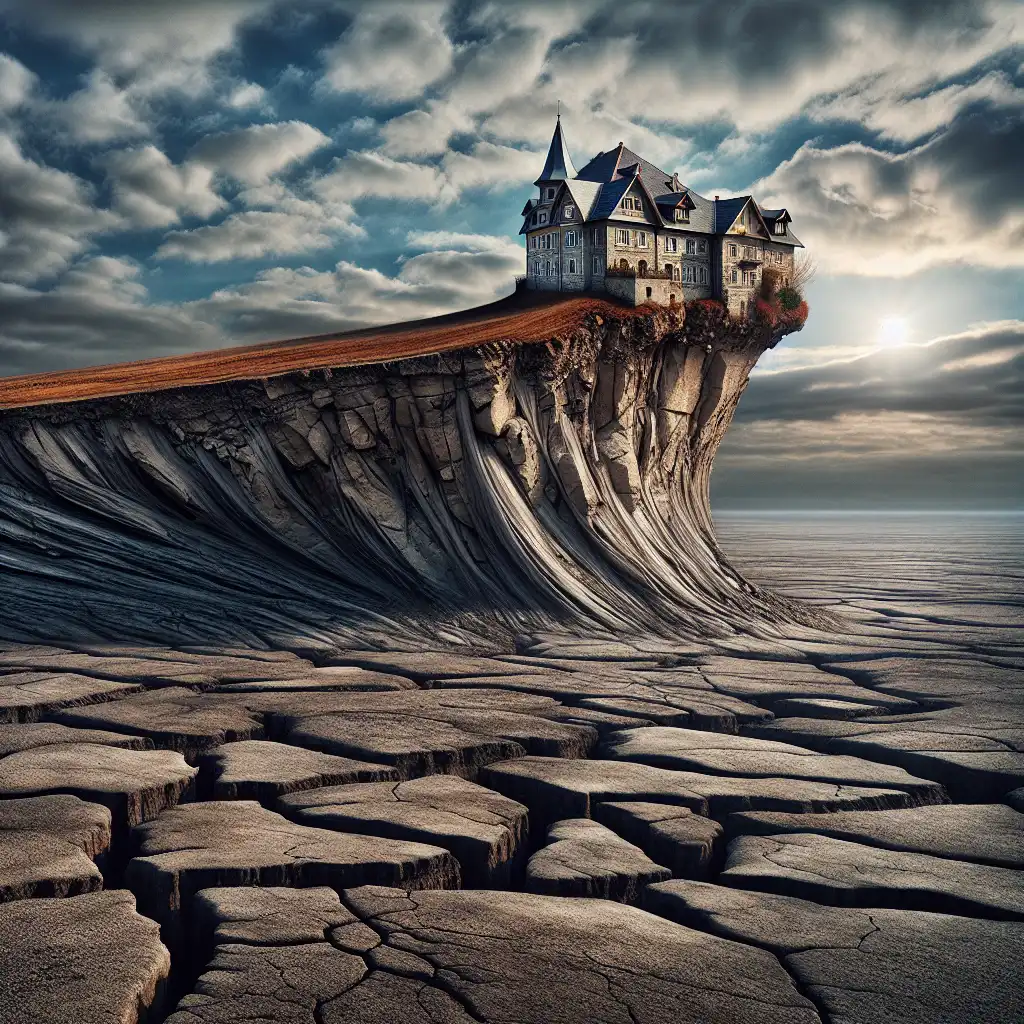
The downward movement of an area of the earth's surface relative to the rest of the planet
The subsidence of major landforms can lead to significant geographical transformations.
音频无法加载,请稍后再试。
'Subsidence' is a word that is used to describe when the ground sinks or collapses. It can happen naturally, like when there is an earthquake or a sinkhole, or it can happen because of human activity like building too much on the land or pumping too much water out of the ground. It can be a dangerous situation because it can damage buildings and roads, and can even cause injuries or deaths.
Decline refers to a gradual decrease or deterioration in something, such as a decrease in a company's profits or a decline in the quality of someone's health.
In simpler terms, decline is a slow and gradual decrease, while subsidence is a sudden sinking or settling down of something.
Decline can apply to many things such as health, economy, and education while subsidence usually applied to the sinking of land, building or city.
打开单词: Decline →Decrease means to reduce or make something smaller in quantity or size. For example, if someone's salary decreases, it means they are earning less money than before.
It can also mean a gradual decline or decrease in something, but it specifically relates to sinking or settling. For example, if a house experiences subsidence, it means the foundation is sinking or settling, causing cracks in the walls or other structural damage.
Decrease can apply to a wide range of situations where something is getting smaller or less, while subsidence is mainly used when describing the sinking or settling of land or structures.
打开单词: Decrease →Diminish means to make something smaller, less in amount or less in intensity.
It can be applicable when talking about the decrease in the size, number or level of something. For example, the noise from the music diminished as we moved further away from the party.
打开单词: Diminish →Low refers to a position or level that is close to the ground or lower than others. For example, a low shelf or a low volume.
Low refers to a height or level, while subsidence refers to the sinking of land.
Low can be used in various contexts, while subsidence is specific to geological or structural occurrences.
打开单词: Low →Retraction and subsidence are two different words used in different contexts.
Retraction refers to the act of taking back or withdrawing something that has been said or done. It implies that there was an initial statement or action that is now being revoked or retracted.
Retraction can be applicable in situations where someone has made a mistake or said something incorrect, and they want to correct it.
For example, a newspaper may publish a retraction for a false article that was printed.
Retraction and subsidence are two different words with distinct meanings that are applicable in different contexts.
打开单词: Retraction →Settle means to come to a rest or to reach a solution.
It is usually used in reference to a dispute or a disagreement between two parties. For example, "The two parties were able to settle their differences.".
Subsidence refers to a geological process where the ground sinks or settles as a result of natural causes such as erosion or earthquakes.
Settle is applicable when referring to resolving a dispute, while subsidence is applicable when referring to the sinking or settling of land or buildings.
打开单词: Settle →Shrink means to decrease in size or amount, while the word ‘subsidence’ means to sink or settle to a lower level or become less dense.
Shrink can describe something that has physically become smaller due to various reasons, such as drying or loss of material.
Shrink is more commonly used in a broader sense, while subsidence is more specific to earth movements.
打开单词: Shrink →Sink typically means to go down or descend, usually in reference to something like a bowl or a swimming pool.
It can also mean to cause something to go down, like when you sink a basketball into a hoop.
Subsidence refers to the sinking or settling of land, often due to natural causes like erosion or earthquakes.
Subsidence can be a dangerous phenomenon, as it can cause buildings or roads to sink and collapse.
Sink usually describes something going down in a small scale, while subsidence typically refers to the sinking of a larger area of land.
打开单词: Sink →