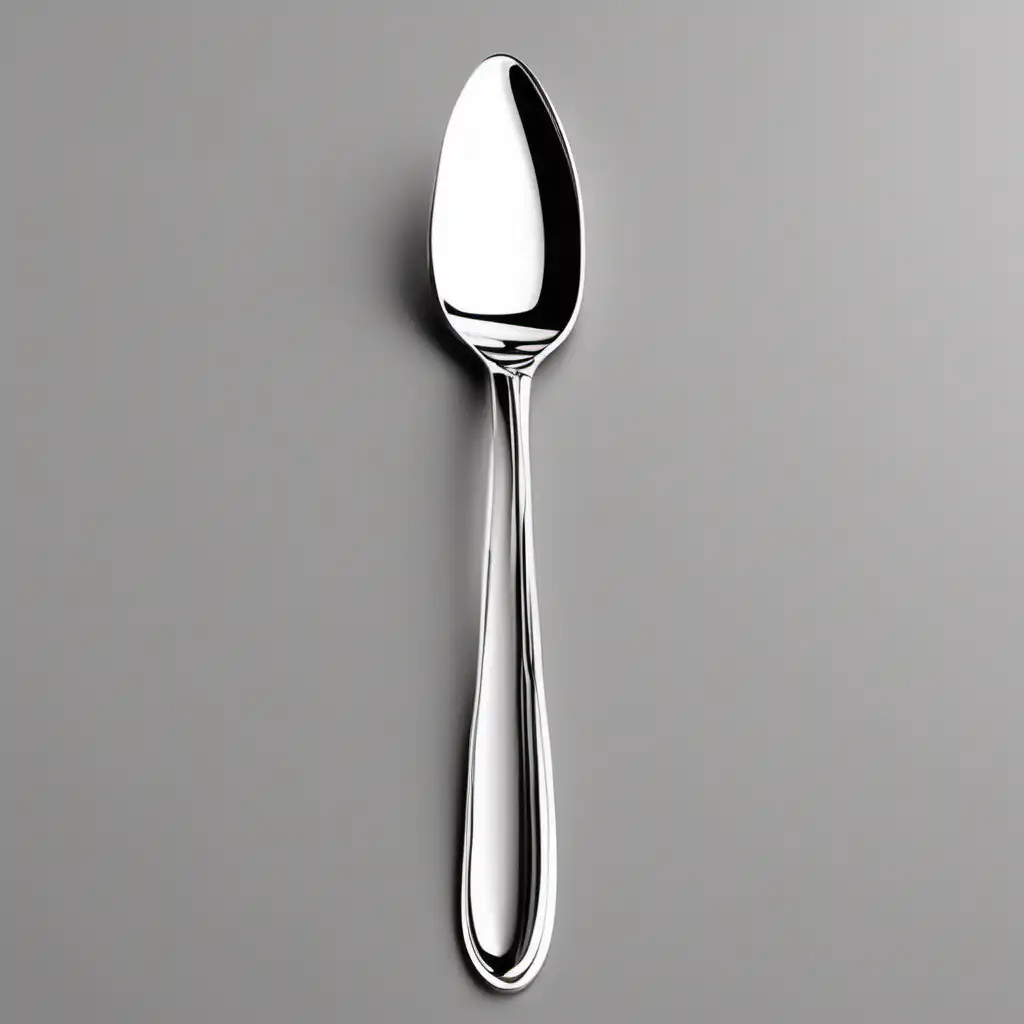
concave
adjective concave
kɑːnˈkeɪv
Đang tải…
kɑːnˈkeɪv
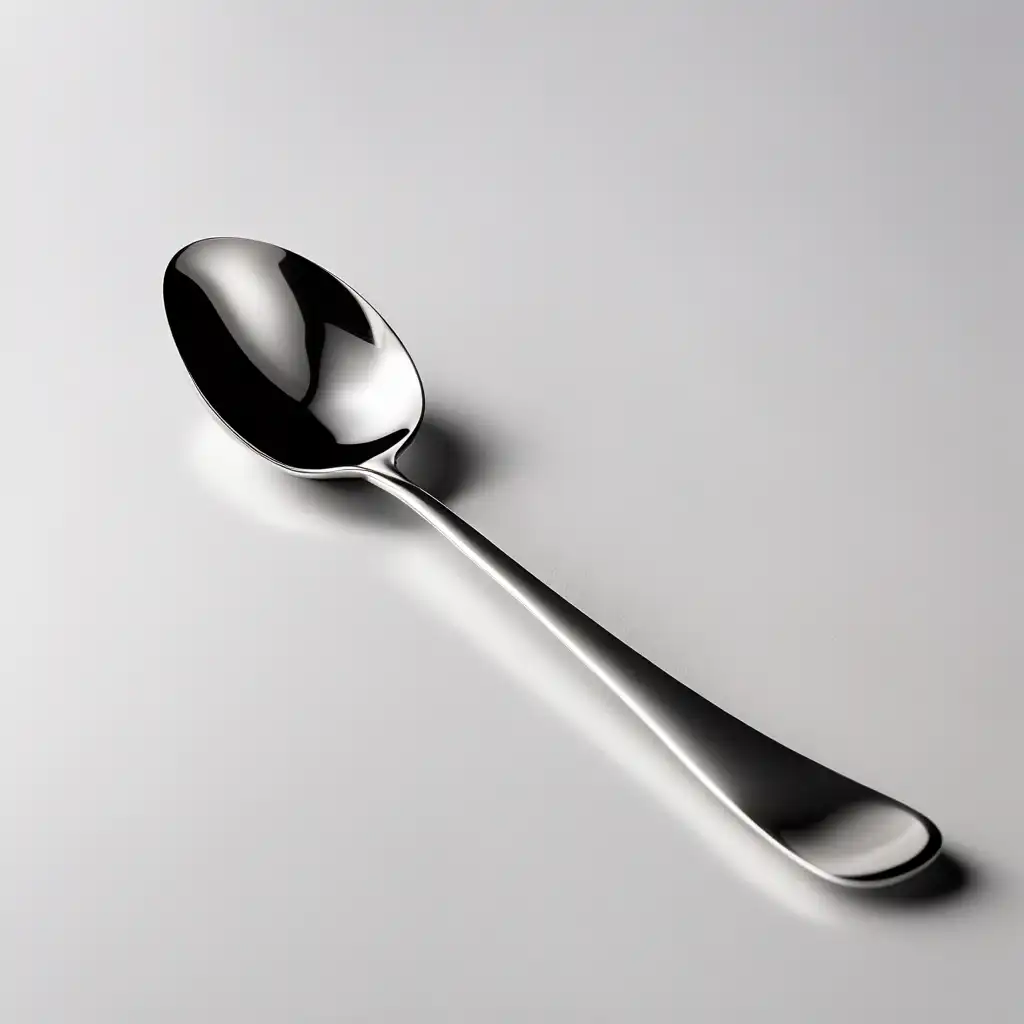
a shape or surface that is curved inwards
A spoon is a common example of a concave.
Không tải được âm thanh. Vui lòng thử lại sau.
Concave is a word that describes the shape of something that curves inward, like the inside of a bowl or spoon. You can use this word when you want to describe the shape of something that is hollow or dips inward. For example, you might say, "The inside of the cave was concave, with smooth, curved walls."
Cavernous means having a large, spacious, and usually natural cavity or room, while concave means having a surface that curves inward.
Cavernous can describe something like a large cave or room with high ceilings, while concave can describe something like a bowl or depression with a curved shape that dips inward.
Essentially, cavernous refers to size and spaciousness, while concave refers to shape.
Mở từ: Cavernous →Concave and cup are both words used to describe shapes, but they have slightly different meanings.
Cup refers to a specific type of concave shape: one that has a handle and is used for drinking.
A cup may be made from many different materials and come in many different shapes, but they all share the common feature of being designed for holding liquids and being easily held by a person's hand.
Concave is a general term for a shape that curves inward, while cup specifically refers to a type of concave shape designed for drinking.
Mở từ: Cup →Depress means to push something down or make it lower. It is applicable when describing a depressed area on a surface or ground, like a pothole or a sinkhole.
Concave refers to a curved inward shape, while depress refers to a lowered area.
Mở từ: Depress →Concave refers to a surface that curves inward, like the inside of a bowl. Dish refers to a shallow container with a flat bottom and sloping sides.
In practical applications, concave might be used to describe the shape of a spoon or a satellite dish. Dish could be used to describe a serving dish or a baking dish.
The main difference is that concave refers to a curved, inward shape, while dish refers to a shallow container with sloping sides.
Mở từ: Dish →Envelop means to wrap or enclose something completely, such as a letter in an envelope.
It can also describe how something surrounds and covers another thing, like how a cloud can envelop a mountain.
Concave refers to a shape or surface that is curved inward, while envelop means to surround or enclose something completely.
Mở từ: Envelop →Hollow is generally used to describe an object that is empty inside, such as a tube or a balloon. Concave refers to a specific shape with a curved inward surface, while hollow generally refers to an object with an empty space inside.
Mở từ: Hollow →Concave usually refers to a surface that curves inwards, like the inside of a bowl or a spoon. Indent means to make a small hollow or depression in a surface, like when you press your finger into clay or paper.
Concave describes a shape that curves inward, while indent describes a small hollow or depression in a surface. Concave usually describes three-dimensional shapes, while indent can be used for both 2D and 3D surfaces.
Mở từ: Indent →Concave describes a surface or shape that curves inward, like the inside of a bowl. Sunken refers to something that has sunk down or been lowered below the surface or level it was previously at.
For example, a ship can be sunken in the ocean or a person's cheeks can be concave.
Mở từ: Sunken →How optical illusions...
Xem trên YouTube ↗A concave chest means that your diaphragm is sagging.
The magic ingredient...
Xem trên YouTube ↗They go on about banning size zero, but I think Hollywood stars are the worst perpetrators. Most models are naturally long and gangly, while a lot of these young girls in Hollywood have gone on extreme diets. Their concave chests and bony arms are terrifying. It's scary to think that normal teenagers are tempted to copy them.
The 5 Musketeers Have an...
Xem trên YouTube ↗About 1930, our laboratory had obtained a large concave grating and set it up in a Runge-Paschen mounting.
The Japanese look most diminutive in European dress. Each garment is a misfit and exaggerates the miserable physique and the national defects of concave chests and bow legs. The lack of 'complexion' and of hair upon the face makes it nearly impossible to judge of the ages of men.