
malaise
noun malaise
məˈleɪz
A general feeling of being uncomfortable, unhappy or not well
She's been experiencing a general malaise since she received the news about her job.
malaise
məˈleɪz
불러오는 중…
məˈleɪz
A general feeling of being uncomfortable, unhappy or not well
She's been experiencing a general malaise since she received the news about her job.
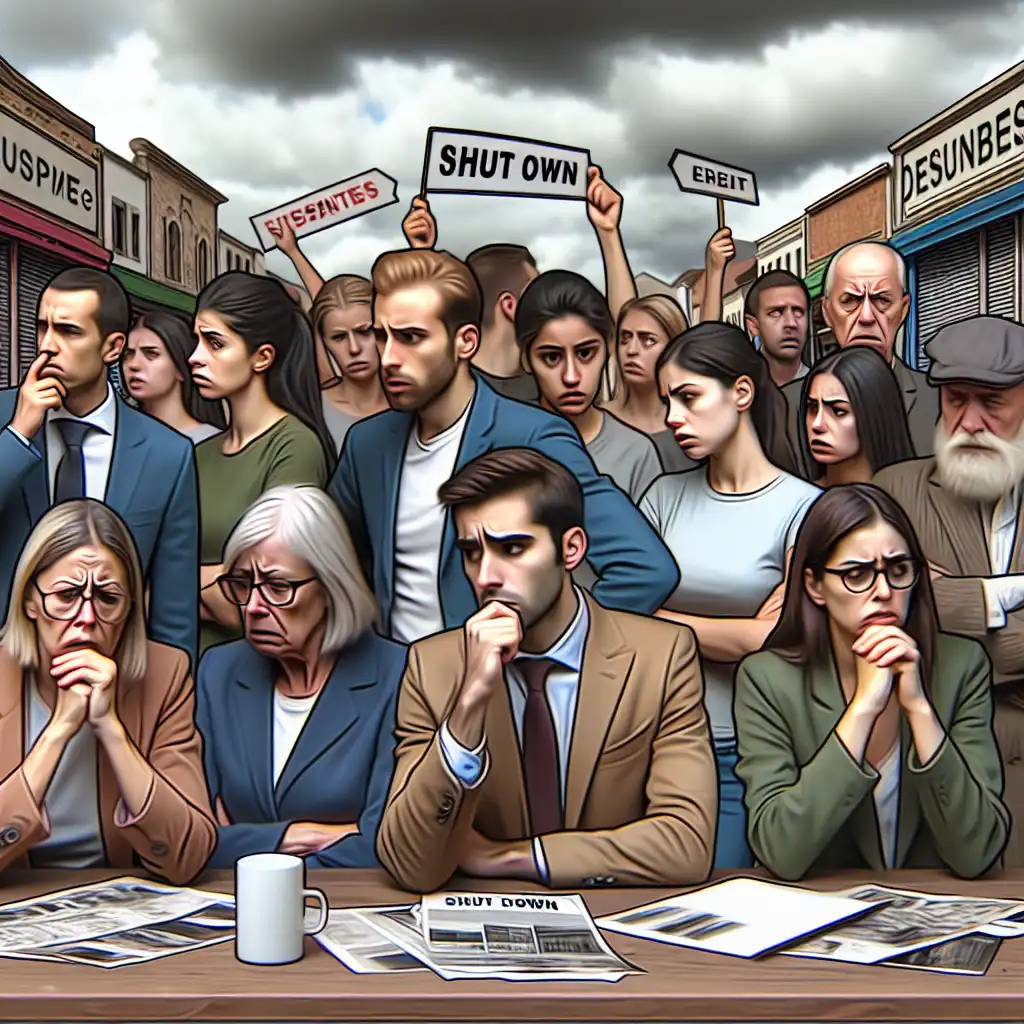
məˈleɪz
A problem or condition that harms or weakens a group, society, or economy
The political malaise in the country has led to social unrest.

məˈleɪz
A slight or general feeling of not being healthy or happy
He's in a state of malaise and nothing seems to cheer him up.

məˈleɪz
A condition of general bodily weakness or discomfort, often marking the onset of a disease
The doctor mentioned that malaise is one of the symptoms of this illness.
오디오를 불러오지 못했어요. 잠시 후 다시 시도해 주세요.
The word 'malaise' is used to describe a general feeling of discomfort, illness, or unease. It's often used to describe a feeling of being unwell without a specific cause or reason. For example, you might say, "I've been feeling a sense of malaise lately," meaning that you've been feeling generally unwell without any specific symptoms. It's a useful word to use when you want to describe a general feeling of being under the weather but don't have a specific diagnosis.
Apathy refers to a lack of interest or enthusiasm towards something, while malaise refers to a general feeling of discomfort or unease.
Apathy can be applied to a lack of motivation to participate in activities or to care about something, while malaise is often used to describe a feeling of overall physical or emotional discomfort.
Apathy may be more appropriate when describing a lack of emotional investment or involvement, while malaise may be more applicable when describing a general feeling of unwellness.
단어 열기: Apathy →Depression is a medical condition that affects a person's mood and emotions. It is characterized by persistent feelings of sadness, worthlessness, and hopelessness.
While depression is a specific medical diagnosis, malaise is a more general term that can describe a range of physical and emotional discomforts.
Depression is applicable for individuals with a certain set of symptoms and malaise is more general and applicable for anyone who feels tired, weak, or unwell without the specific symptoms of depression.
단어 열기: Depression →Discomfort is a feeling of pain, unease, or inconvenience that is usually specific to a particular part of the body or situation.
For example, if you have a headache, you might experience discomfort in your head.
Malaise is a general feeling of discomfort, fatigue or illness that is usually not specific to any particular part of the body.
Discomfort is a specific feeling of pain or unease in a particular part of the body or situation, while malaise is a more general feeling of discomfort or illness that is not necessarily linked to a specific symptom or pain.
단어 열기: Discomfort →Ease means comfort, relaxation or a state of being free from difficulty or pain.
Malaise means a general feeling of discomfort, illness, or unease.
To summarize, ease refers to comfort and lack of problems or difficulties, while malaise refers to a general feeling of discomfort or unease without a clear cause.
단어 열기: Ease →Fatigue refers to feeling tired or exhausted, typically as a result of physical or mental exertion. For example, after a long day of work or studying, one may feel fatigued.
Fatigue is specifically related to feeling physically or mentally tired, while malaise is a broader term for a general feeling of discomfort or unease.
단어 열기: Fatigue →Lethargy refers to a state of tiredness, sluggishness or lack of energy that often leads to feeling lazy or unmotivated.
Both words can be applicable in different situations, but they describe different symptoms. Lethargy often refers to a physical feeling of being tired or lacking in energy, while malaise refers to a more general sense of discomfort or unease that could be physical or emotional.
단어 열기: Lethargy →Sick typically refers to a specific illness or disease, with more defined symptoms like nausea, fever, congestion or headache.
Sick is more specific and could indicate a particular physical problem, while malaise is vaguer and refers to a non-specific sense of unwellness.
단어 열기: Sick →Weak means lacking in strength or vigor, physically or mentally. It refers to a state of being feeble, tired or having reduced energy.
A person may feel weak due to lack of sleep or poor nutrition.
Malaise suggests a general feeling of discomfort while weak suggests a lack of physical or mental strength. Malaise is typically associated with illness or disease while being weak can be caused by various factors like fatigue or lack of energy.
단어 열기: Weak →Paola Antonelli: Design...
YouTube에서 보기 ↗There's nothing more paralysing or more likely to make people fall into a malaise of believing they are powerless than just hearing that everything's negative and everything's shot to bits. It's really important that we know we can change this planet for the better and that every single one of us, no matter how small we may feel, has that power.
I think that there's a clinical mental illness called depression, but I believe that post-industrial America has been narcotized by progress. There's a cultural malaise - mental illness or no - that everybody suffers from at some point in their life.
I seem to be one of the few people in journalism who never worked or wrote for the 'Boston Phoenix.' I certainly read and admired it, and feel the same general malaise at news that it is gone.
There is the melancholy of Europe. There is the romantic malaise. Feeling sad is almost a form of deepness.
More than five decades of hands grated by cracks. Whole body aching from long days of big-wall hauling. Tiny tents, bivy sacs, snow caves lashed by hurricane sleet. Frozen fingers and toes. Migraines and altitude malaise. Not knowing what's to come. It doesn't have to be fun to be fun.
Many people who did not die right away came down with nausea, headache, diarrhea, malaise, and fever, which lasted several days. Doctors could not be certain whether some of these symptoms were the result of radiation or nervous shock.
We humans have a tendency to see ourselves as completely different from other animals, and the way in which large segments of the public continue to reject the theory of evolution is just one symptom of that malaise.
The working classes were becoming more and more sharply aware of the complex causes of international malaise.
You have asked me to lead this nation out of the present wilderness and malaise on to the promised land, and I shall do so; I shall offer a responsive, transparent, and innovative leadership.
Historians have become far too precious. Their work has become ever more specialised and, as they steadily lose the context of their studies, they end up knowing more and more about less and less. It's a malaise that has now infected A-levels and GCSEs.