couscous
noun couscous
ˈkʊskʊs
A North African dish made of small steamed balls of semolina
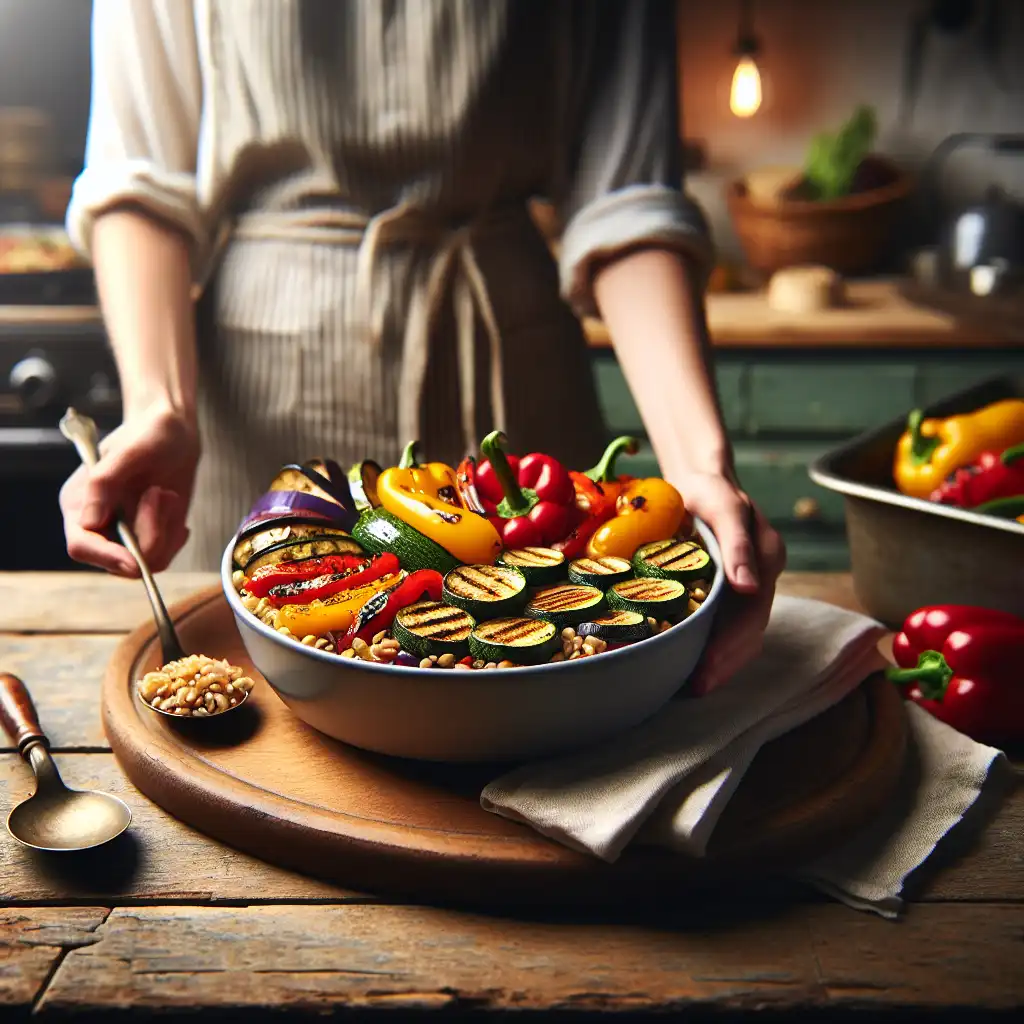
She prepared a delicious couscous with grilled vegetables for dinner.
couscous
ˈkʊskʊs
불러오는 중…
ˈkʊskʊs
A North African dish made of small steamed balls of semolina
She prepared a delicious couscous with grilled vegetables for dinner.
ˈkʊskʊs
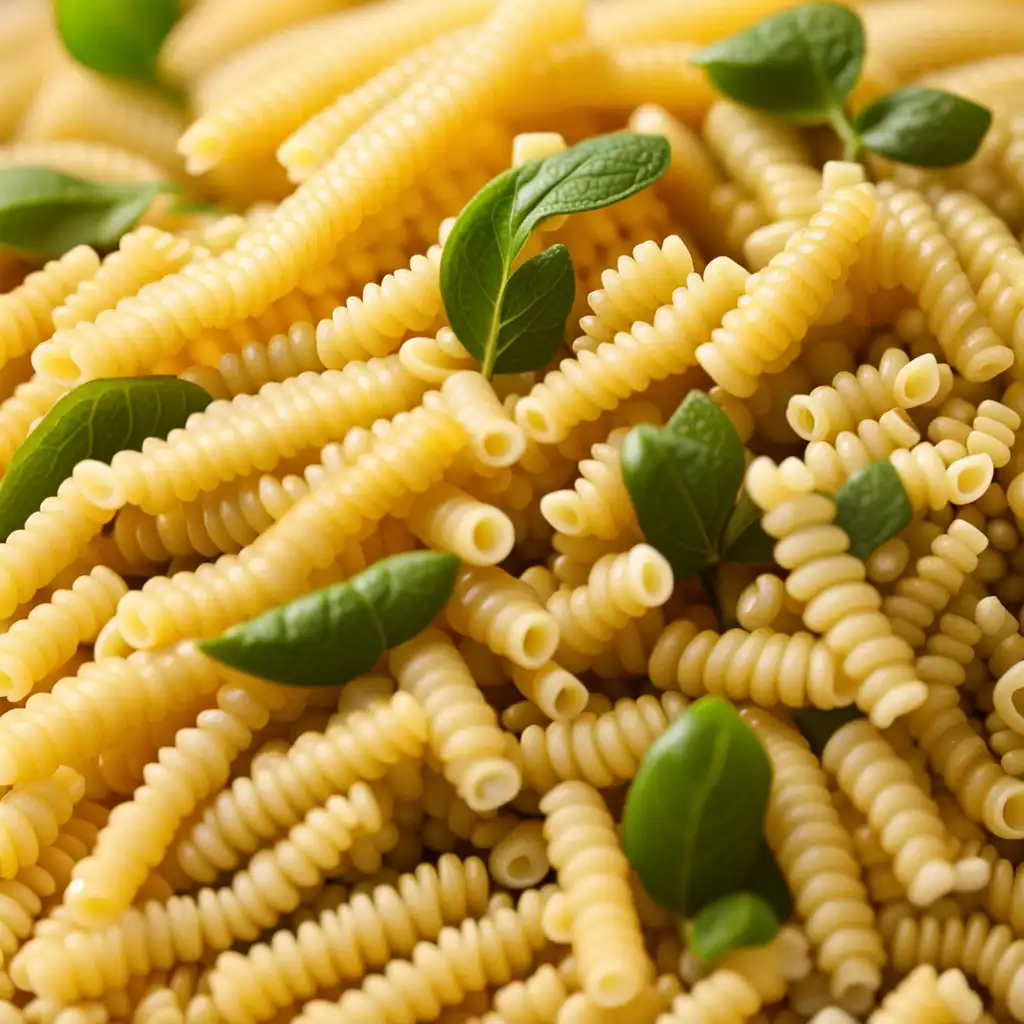
A type of tiny pasta made from wheat or barley
Couscous can be used in salads, stews and as a side dish.
오디오를 불러오지 못했어요. 잠시 후 다시 시도해 주세요.
Couscous is a type of small pasta made from wheat or semolina. It is often used in North African and Middle Eastern cuisine as a side dish or base for stews and meat dishes. People typically cook it by boiling it in water or broth, then fluffing it with a fork. It can also be served cold in salads or used as a substitute for rice or other grains in recipes.
Grain refers to any type of seed produced by various grasses and other plants. This includes things like wheat, rice, barley, and oats, which are used for things like bread, cereal, and porridge.
So, while couscous is a specific type of grain-based food that is used in certain cultures and dishes, grain is a broader category that encompasses many different types of seeds that are used for a variety of purposes.
단어 열기: Grain →Couscous and millet are two different grains. Couscous is a tiny, round grain made from wheat, while millet is a small, round, and firm grain that comes from a grass crop.
Millet is used in a variety of ways.
Millet is consumed in parts of Africa and Asia and is used in traditional cuisines like Indian and Ethiopian.
Couscous and millet are different grains used in different cuisines. Couscous is made from wheat and used in North African and Middle Eastern dishes, while millet is a grass crop and used in a variety of ways globally.
단어 열기: Millet →Couscous and pasta are both types of carbohydrate-rich foods, but they are different in terms of their origin, shape, texture, and nutritional value.
Pasta is a Italian wheat-based dish made from dough that is shaped into various forms like spaghetti, macaroni, penne, etc.
Pasta can be served with sauces, cheese, meat, or vegetables, and it is a staple food in many cultures around the world.
Pasta is also a good source of carbohydrates, but it can be high in calories and low in fiber if consumed excessively or with unhealthy toppings.
Couscous and pasta are two distinct foods with different textures, origins, and uses, but they share some similarities in terms of their nutritional value and versatility in cooking.
Couscous is suitable for Middle Eastern or North African recipes, while pasta is suitable for Italian or global recipes.
단어 열기: Pasta →Couscous and quinoa are both types of grains, but they come from different plants and have different nutritional values.
Quinoa comes from South America and is a seed that is closely related to leafy green vegetables like spinach and Swiss chard.
Quinoa can be used as a base for salads, as a side dish, or in soups and stews.
Couscous is a type of wheat-based grain that is mainly used as a base for salads and stews, whereas quinoa is a high-protein seed that is gluten-free and can be used in a wide variety of dishes.
단어 열기: Quinoa →Couscous and semolina are both made from durum wheat, but they are used differently in cooking.
Semolina is a coarser grind of durum wheat that is used to make pasta, bread, and other baked goods. It is also used as a coating for fried foods, such as chicken or fish.
To simplify, couscous is a small grain mainly used for sides or bases in North African cuisine, while semolina is a coarser grind used for making pasta, breads or fried food coatings.
단어 열기: Semolina →and needs very little water, surviving where nothing else will grow. As a chef, what first struck me was its delicate taste and its versatility. Similar to couscous,
YouTube에서 보기 ↗Italy is so influenced by others: couscous in the south, cinnamon in the north because of the Venetian spice trade - I just want to divulge as much information as I can.
Take your average couscous salad, and it's almost always a sloppy mush, no matter how much attention has gone into getting flavours in there.
Couscous is not a grain. I repeat, it is not a grain. Much like its brother spaghetti and its sister ravioli, couscous is pasta.
If you want to lose weight, whole-wheat bread, couscous, and quinoa are evil.
The only good things I've seen emerge from a steamer are tamales, couscous, and dumplings - maybe the occasional artichoke or delicate fish fillet. But baby turnips with their tender greens still attached should be boiled in water as salty as the sea until their flesh is silky and soft.
What I love about the term 'salad' is that it can appear in so many different forms and says a lot about the cook. It could be a simple as fresh green lettuces tossed with a basic vinaigrette, or it could be as hearty as a couscous salad with grilled shrimp.
I love my daughter, but she had me on couscous and fixed me pastas and made me eat oatmeal every morning and what else, turkey burgers, turkey bacon, and that kind of stuff. So she wants her dad to live a long time, and I do, too.
I would love to take a cooking class from Gandhi. Maybe I could teach him how to cook, and he could teach me his message. I wouldn't mind learning how to make couscous from scratch from a North African woman, either.