
atonic
adjective atonic
eɪˈtɑːnɪk
Lacking energy or strength
After the marathon, he was so atonic that he could barely stand.
atonic
eɪˈtɑːnɪk
Loading…
eɪˈtɑːnɪk
Lacking energy or strength
After the marathon, he was so atonic that he could barely stand.

eɪˈtɑːnɪk
Relating to the loss of normal muscle strength or tone
The patient's atonic bladder caused frequent urination problems.
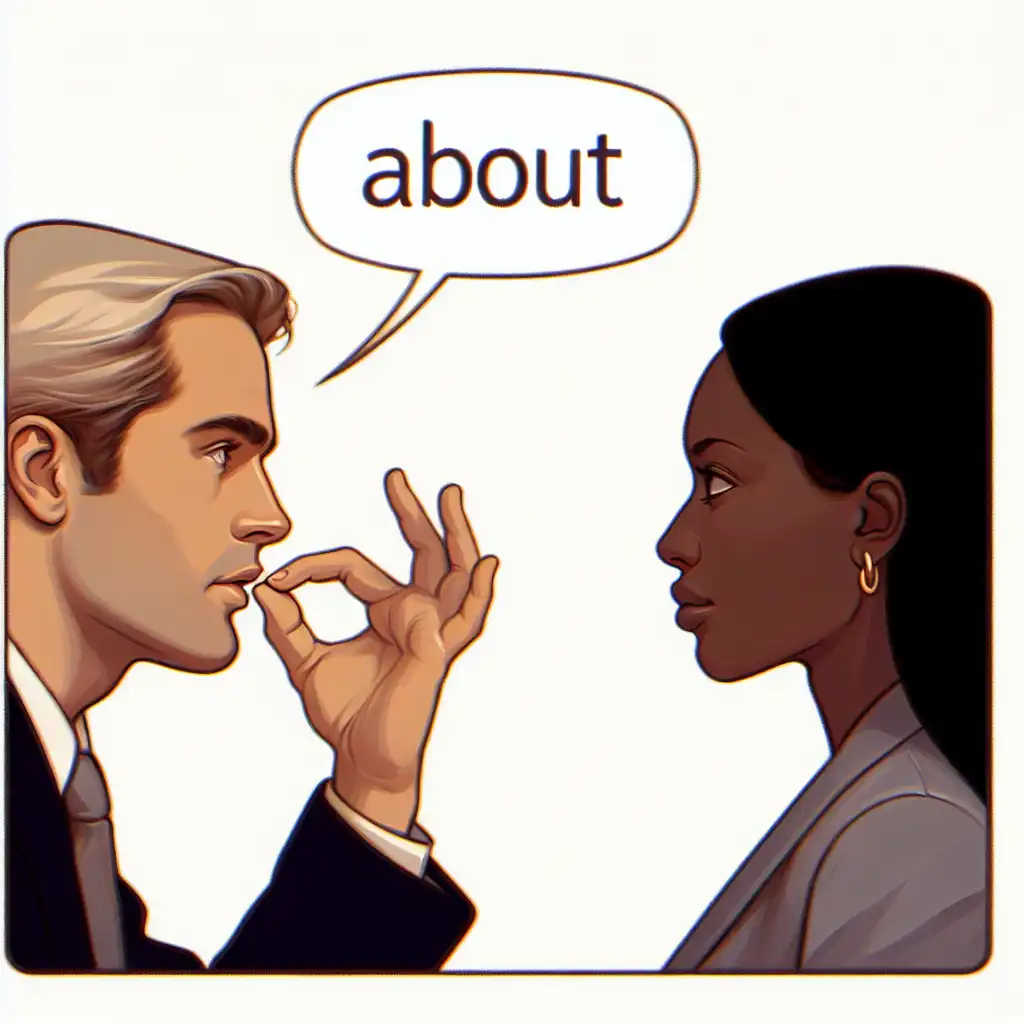
eɪˈtɑːnɪk
In linguistics, an atonic syllable or word doesn't have accent or stress
In the word 'about', the 'a-' is atonic.
Audio could not be loaded. Please try again later.
The word "atonic" is used in medical and scientific contexts to describe things that lack tension or muscle tone. For example, someone with atonic muscles might have trouble standing up straight or gripping objects firmly. It is not a very common word in everyday conversation, so you may not encounter it very often outside of these specific contexts.
Atonic means lacking muscle tone or strength, while the word debilitate means weakening or making someone feeble.
Atonic is applicable when describing a medical condition that causes weak or floppy muscles, such as atonic seizures. Debilitate is applicable when referring to the act of weakening or harming someone's physical or mental strength, such as a disease or injury debilitating a person's body.
Atonic is a condition or characteristic of weak muscles, while debilitate is an action that causes weakness or harm to someone's strength.
Open word: Debilitate →Feeble means lacking strength or energy in general.
It can refer to a person's overall physical or mental state. For example, an elderly person may be described as feeble if they are weak and frail.
Atonic is specific to a particular muscle or bodily function, while feeble is more general and refers to overall weakness or lack of energy.
Open word: Feeble →Both words refer to the lack of muscle tone or tension, but atonic usually describes a loss of tone in a specific muscle or muscle group, while flaccid refers to an entire body part feeling limp or lacking firmness due to a loss of muscle tone.
For example, someone with atonic bladder may have difficulty urinating due to a lack of muscle tone in the bladder muscles, while someone with flaccid paralysis may have difficulty moving an entire limb due to a loss of muscle tone in all the muscles of that limb.
Open word: Flaccid →The words atonic and floppy both mean lacking muscle tone, but atonic usually describes a specific medical condition where muscles become weak and flaccid, often resulting in paralysis, while floppy is a more general term that can describe a range of conditions where muscles are limp and loose.
Floppy can describe babies with weak muscles, or animals that have been sedated and can't support their own weight.
Open word: Floppy →Atonic means lacking muscle tone or strength, while the word inert means lacking the ability or strength to move or become active.
Inert is applicable in more general contexts, where it describes objects or substances that are incapable of reacting or changing under normal circumstances.
For example, noble gases such as helium or neon are typically inert and do not react chemically with other elements.
The two words differ in their focus: atonic emphasizes a lack of physical strength, while inert emphasizes a lack of reactivity or responsiveness.
Open word: Inert →Atonic refers to a muscle lacking in tone or strength, whereas limp refers to a body part that's loose and not stiff. Atonic is applicable in medical contexts when referring to weakened muscles, while limp is applicable when describing a body part that is weak or floppy because of tiredness, injury, or some other reason.
Open word: Limp →Slack describes something that is loose or not properly tensioned.
Atonic refers to something weak or flaccid, while slack refers to something loose or not properly tensioned.
Open word: Slack →Atonic usually refers to things that lack muscular tone or strength, such as paralysis or muscle weakness. This term is mainly used in medical contexts.
Weak can have a broader meaning and refers to anything that lacks strength or power, whether it's physical, mental, or emotional.
It can describe physical strength, such as a weak grip, mental strength, such as weak reasoning skills, emotional strength, such as feeling weak in the face of adversity.
Atonic is a more specific term that describes a lack of muscular tone or strength, while weak is a broader term that can refer to any kind of deficiency in strength or power.
Open word: Weak →