
swami
noun swami
ˈswɑːmi
A spiritual teacher, often in Hinduism.
The swami taught me the importance of meditation in spiritual growth.
swami
ˈswɑːmi
Đang tải…
ˈswɑːmi
A spiritual teacher, often in Hinduism.
The swami taught me the importance of meditation in spiritual growth.
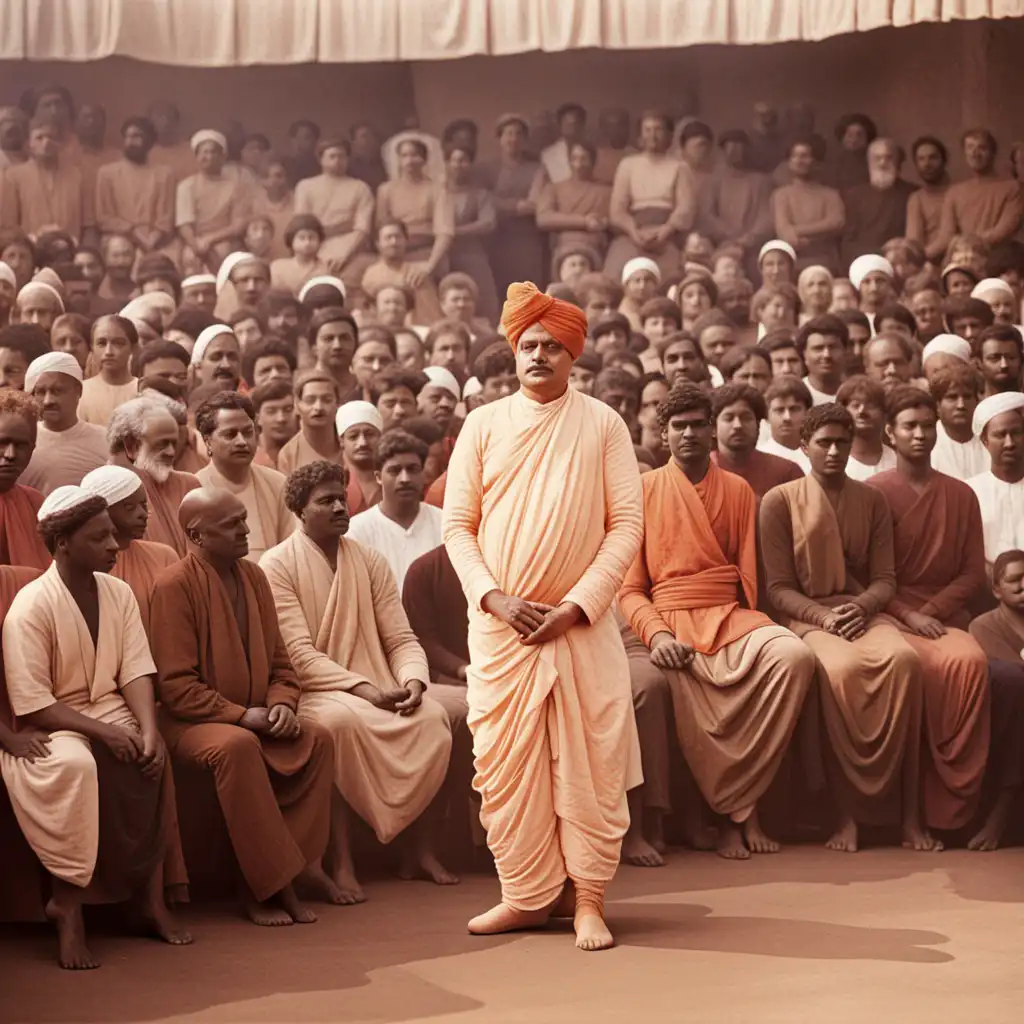
ˈswɑːmi
A respectful title used for a monk or a religious teacher in India, often in Hinduism.
Swami Vivekananda is a highly respected figure in India.
Không tải được âm thanh. Vui lòng thử lại sau.
The word 'swami' originally comes from the Hindu religion and is used to refer to a spiritual teacher or leader who guides others on their spiritual journey. This title can also be used in a more general sense to refer to someone who has achieved a high level of spiritual wisdom and knowledge.In modern usage, the word can also refer to a leader or guru in certain religious or spiritual communities, and this term is often used respectfully and reverently to refer to someone who is seen as an authority in that community.Overall, the word 'swami' is used to refer to someone who has a deep understanding of spirituality and is respected for their wisdom and guidance in this area. It is important to use this term respectfully and appropriately when referring to individuals who hold this position in a religious or spiritual context.
Guru is typically used to describe a teacher, mentor, or advisor who is knowledgeable and respected in a particular field or subject.
Swami is another Sanskrit term that is often used to refer to a spiritual leader, teacher, or guru who has taken vows of celibacy and renunciation.
So, while guru generally describes any knowledgeable teacher or guide, swami specifically refers to someone who has adopted a monastic lifestyle and has taken vows of celibacy and renunciation.
Mở từ: Guru →Mahatma and Swami are two terms used to refer to individuals from Hindu spiritual traditions.
Mahatma is a title that means "great soul" and is typically used to refer to people who are considered to be spiritual leaders or reformers in Indian culture.
Mahatma Gandhi, for example, is a well-known figure who is often referred to as the Mahatma due to his role in India's independence movement and his advocating for non-violence and civil disobedience.
In short, Mahatma is a title given to spiritual reformers or leaders while Swami is a title given to spiritual guides or gurus.
Mở từ: Mahatma →Both pandit and swami are words used in Hindu culture to refer to religious leaders or scholars, but they have different meanings and applications.
A pandit is a term used to refer to a learned scholar or teacher of Hindu philosophy, religion, and culture. They are often considered experts in the Vedas, Sanskrit scriptures, and other Hindu texts.
A Pandit is helpful for conducting Poojas, Homam, and other Hindu various functions.
A Pandit is a religious scholar or teacher, while a Swami is a spiritual leader or monk. Both are respected figures in Hindu culture and are sought out for their knowledge and guidance.
Mở từ: Pandit →Saint is a term typically used in Christianity to describe a person who has lived a life of exceptional holiness and is believed to have attained heaven.
The title is usually given posthumously after a long process of scrutiny and official recognition by the Church. In common usage, the word saint can also refer to a person who is exceptionally virtuous or selfless.
Saint is a term used in Christianity to describe a holy person believed to have attained heaven, while swami is a term used in Hinduism to refer to a spiritual teacher or master.
Mở từ: Saint →Both the words swami and yogi are used in Hinduism and refer to people who have achieved a level of spiritual mastery or expertise.
Yogi refers to someone who practices yoga as a means of achieving spiritual growth and enlightenment. They are often associated with physical practices such as meditation, breath control, and physical postures.
Yogi can be someone who practices yoga as a way of life, or someone who has achieved a high level of spiritual awareness through their yoga practice.
A swami is a spiritual leader who teaches and inspires others, while a yogi is someone who practices yoga to achieve spiritual growth and enlightenment.
Mở từ: Yogi →Dayananda Saraswati: The...
Xem trên YouTube ↗A swami may conceivably follow only the path of dry reasoning, of cold renunciation; but a yogi engages himself in a definite, step-by-step procedure by which the body and mind are disciplined, and the soul liberated.
In my own spiritual journey, I became a swami on the Hindu path of Bhakti. In the Hindu tradition, a swami is a monk who forgoes regular family life for the purpose of making the whole world his family and channels his full energy into spiritual practice, devotion to God and service to humanity.
I've turned from an ordinary Australian housewife into a gigastar, icon, talk-show host, swami, spin doctor... and now I'm a style guru!
Ignoring all prejudices of caste, creed, class, color, sex, or race, a swami follows the precepts of human brotherhood. His goal is absolute unity with Spirit.