
dirigible
noun dirigible
ˈdɪrɪdʒəbl
An airship filled with gas that can be steered or guided.
The dirigible floated gracefully across the sky.
dirigible
ˈdɪrɪdʒəbl
Chargement…
ˈdɪrɪdʒəbl
An airship filled with gas that can be steered or guided.
The dirigible floated gracefully across the sky.
ˈdɪrɪdʒəbl
Able to be directed or steered.
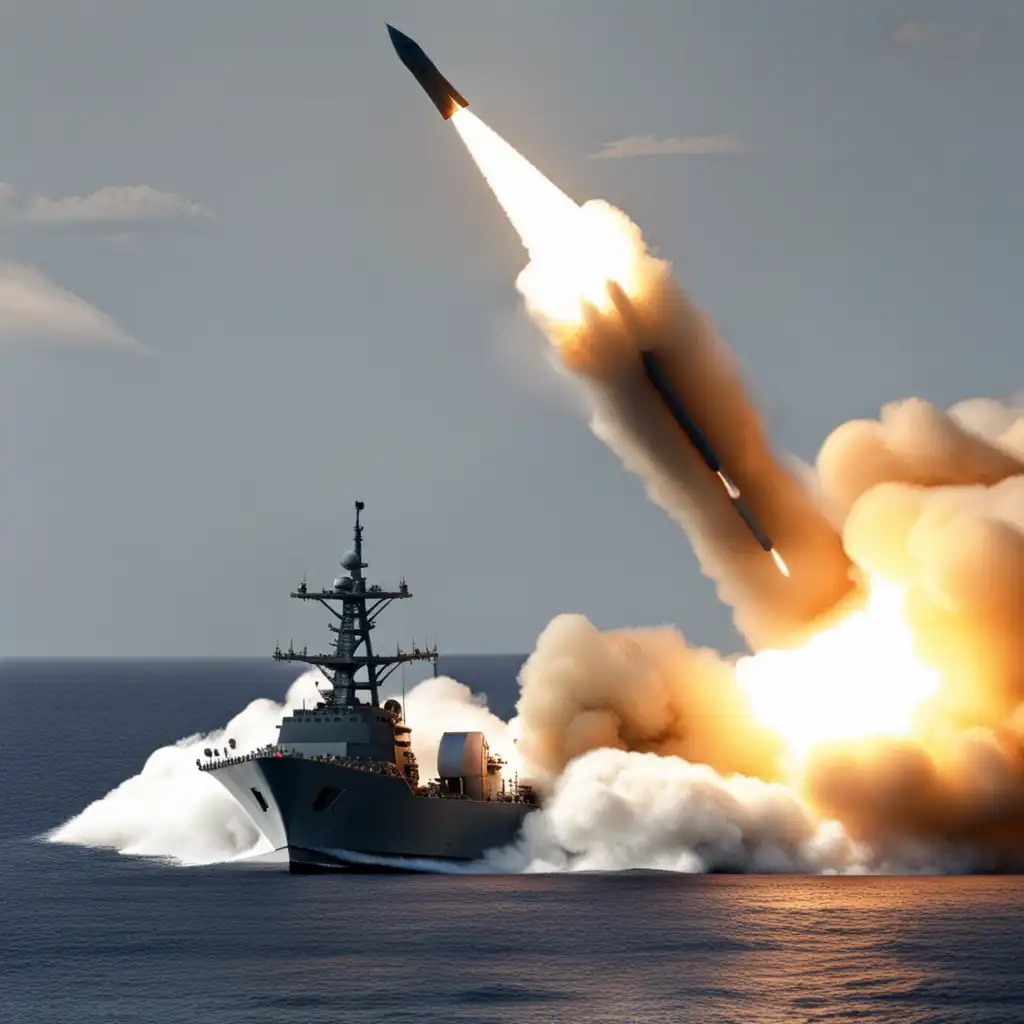
The dirigible missile was launched at the target.
Impossible de charger l’audio. Réessayez plus tard.
The word "dirigible" refers to a type of airship that can be steered or controlled, usually by using engine power or other means of propulsion. This word is typically used in the context of transportation or aviation, and may be used to describe a variety of different types of aircraft that are designed to be able to fly through the air with a degree of control and maneuverability. Some common examples of dirigibles include blimps, balloons, and other types of lightweight, air-filled vehicles that can be piloted through the skies. If you are an English learner, it is important to understand the context in which this word is typically used, as well as its meaning and potential applications in a variety of different fields and disciplines.
Both aerostat and dirigible refer to types of airships, but there is a difference in their design and function.
An aerostat is an airship that stays aloft due to the use of lighter-than-air gas (such as helium) that is enclosed within the ship's envelope.
Aerostats are typically tethered to the ground and do not have engines, so they rely on wind currents to move. Examples of aerostats include hot air balloons and tethered blimps (used for surveillance or advertising).
To summarize, an aerostat is a simple, unpowered airship that relies on lighter-than-air gas and wind currents, while a dirigible is a powered airship with steering capabilities and a rigid framework.
Ouvrir le mot: Aerostat →Both words airship and dirigible refer to a type of aircraft that is lighter-than-air and can fly using gases such as hydrogen or helium.
However, dirigible usually refers to an airship that has a rigid frame, like a skeleton, which helps to maintain its shape and structure.
Airship can refer to any type of lighter-than-air craft, including those that don't have a rigid frame.
Dirigible is used to refer to older airships that had a rigid frame, while airship is a more modern term that can refer to any kind of lighter-than-air craft.
Ouvrir le mot: Airship →A balloon is a lighter-than-air object that is typically made of thin material and filled with hot air or gas, such as helium.
Balloons are used for decoration, in experiments, and for recreational purposes.
A dirigible is a type of airship that has an internal framework and can be steered. It is also known as a zeppelin. Dirigibles are typically much larger and more complex than balloons and were historically used for transportation and military purposes.
A balloon is a simple, small and unpowered object that floats in the air, while a dirigible is a larger, powered, and steerable airship that can be used for transportation or military purposes.
Ouvrir le mot: Balloon →Dirigible refers to any type of airship that is steerable or controllable while in flight. It is a broad term that can refer to blimps, semi-rigid airships, and rigid airships (like Zeppelins).
Zeppelin refers specifically to a type of rigid airship that was invented by Count Ferdinand von Zeppelin in the early 20th century.
Dirigible is a general term for any steerable airship, while Zeppelin is a specific type of rigid airship invented by Count Ferdinand von Zeppelin.
Ouvrir le mot: Zeppelin →TED2016 in review %\PIPE%...
Voir sur YouTube ↗Jeans fit the mature male one of two ways, both dirigible in nature. You make a public impression that's either Hindenburg or Goodyear blimp.
David Macaulay: All...
Voir sur YouTube ↗