
feedback
noun feedback
ˈfiːdbæk
Advice, criticism or information about how one is doing with an effort to improve
She received positive feedback about her paper from her professor.
feedback
ˈfiːdbæk
불러오는 중…
ˈfiːdbæk
Advice, criticism or information about how one is doing with an effort to improve
She received positive feedback about her paper from her professor.

ˈfiːdbæk
In electronics, the process of returning part of the output signal to the input
In a microphone, feedback often creates a loud and unpleasant noise.
ˈfiːdbæk
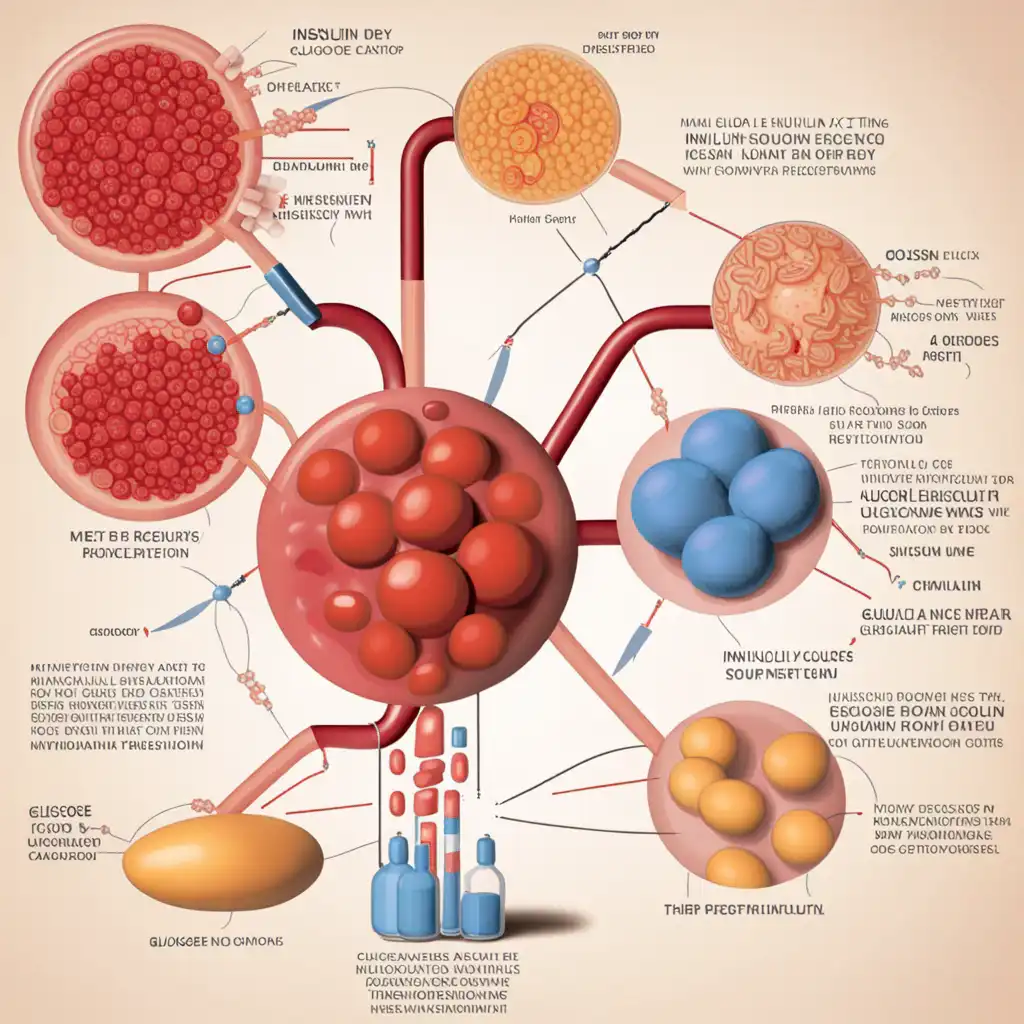
In biology, a mechanism by which the output or result effects the initial process
In the human body, the regulation of glucose is a good example of a feedback mechanism.

ˈfiːdbæk
In business, the comments of consumers about a product or service
Customer feedback is vital for a company to improve its products and services.

ˈfiːdbæk
In music, the high-pitched noise produced by an amplified musical instrument
The guitarist used feedback to create a unique sound in the song.
오디오를 불러오지 못했어요. 잠시 후 다시 시도해 주세요.
Feedback refers to the comments, suggestions, or opinions that someone gives to another person about their work, performance or behavior. For example, if you write an essay, your teacher may give you feedback on how you can improve it. Feedback is helpful because it lets you know what you're doing well and what you need to work on. It's important to listen to feedback and try to use it to improve yourself. You can receive feedback from friends, family, teachers, and colleagues in different situations like work, school, or sports.
Assess means to evaluate, measure or judge someone's performance or skills based on a set criteria or standards.
To simplify it further, assessment is about evaluating someone's abilities, while feedback is about giving information to help someone improve.
Assessment is applicable in academic or work settings to determine someone's level of performance, while feedback is applicable in any situation where improvement is needed or desired.
단어 열기: Assess →Comment refers to a statement, opinion or remark on something that has been written, said or done. Feedback refers to the response given by someone after receiving or seeing something, which may include comments, suggestions or criticisms.
To give an example, commenting on a video on YouTube may mean writing a statement or opinion on the content of the video, while providing feedback may include suggestions for how the video could be improved, or criticisms of parts that were unclear.
Both comments and feedback are applicable in situations where someone wants to express their thoughts or reactions to something, but feedback is commonly used in more formal situations, such as in a workplace setting or for reviewing a product or service.
단어 열기: Comment →Commentary is a form of discussion or analysis on a particular topic or issue. It generally offers an opinion, interpretation or explanation about something.
Commentary is used to provide an interpretation or reflection on a particular topic, while feedback is given in response to a task or performance to help improve it.
단어 열기: Commentary →Critique refers to a detailed analysis or evaluation of something, often with an intention to identify flaws or suggest improvements.
Critique is applicable in situations where a high level of expertise is needed to assess and provide constructive criticism, such as in art, writing, or academic research.
Critique is a more formal and expert-oriented type of evaluation, while feedback is a more general and inclusive type of information or comments.
단어 열기: Critique →Evaluate means to assess, judge or determine the value or quality of something based on a set of criteria or standards.
In simple terms, evaluation is the act of assessing the quality or performance of something or someone, while feedback is the information given to help improve that quality or performance.
Evaluation is more formal and objective, while feedback can be both formal and informal.
Evaluation is applicable in situations where we need to make judgments or decisions, such as grading a test or evaluating a job candidate's skill set.
단어 열기: Evaluate →Feedback and input are two different terms that refer to different types of communication. Feedback refers to the response or reaction given by somebody after they have experienced something or interacted with something.
Input refers to the information or data that is used to make decisions, or to make something happen.
Input can be used in various fields such as technology, science or economics.
For example, a software developer will use input to program a software application, a scientist will use input to make decisions about an experiment and an economist will use input to make decisions about market trends.
Feedback and input are different and are applied in different contexts. Feedback is used to get opinions that help improve something while input is used to make informed decisions.
단어 열기: Input →A reaction is a response or feeling someone has in response to something that has happened or been said.
In simpler terms, feedback is more constructive and actionable, while a reaction is more emotional and instinctive. Feedback is applicable in situations where someone is looking for ways to improve, while a reaction is applicable in situations where someone is simply responding to a stimulus.
단어 열기: Reaction →Response is a reaction or answer to something that has been said, done or asked.
Feedback is useful for improving performance or behavior, while responses are more about expressing thoughts or feelings.
단어 열기: Response →Feedback and review are two distinct concepts used in different contexts.
A review is a critical evaluation of a product, service or performance.
It is usually done to judge the quality of something and can be positive or negative. Reviews are typically written by consumers or experts, for instance, a tech review website might provide a review of a new smartphone.
Feedback is more about offering constructive criticism to help someone improve, while a review is a critical evaluation of a product, service or performance.
단어 열기: Review →Feedback loops: How...
YouTube에서 보기 ↗The audience is so important. Because there's something that I might think is super funny, but if it's just not getting the feedback, I have to let it go.
Daniel Kish: How I use...
YouTube에서 보기 ↗I think it's very important to have a feedback loop, where you're constantly thinking about what you've done and how you could be doing it better.
Want to be a better...
YouTube에서 보기 ↗The world has today 546 nuclear plants generating electricity. Their experience is being continuously researched, and feedback should be provided to all. Nuclear scientists have to interact with the people of the nation, and academic institutions continuously update nuclear power generation technology and safety.
Watch One Family's...
YouTube에서 보기 ↗Within an office, it's important to create opportunities for anonymous feedback.
Budgie Courtship Ritual...
YouTube에서 보기 ↗Everyone has a story that makes me stronger. I know that the work I do is important and I enjoy it, but it is nice to hear the feedback of what we do to inspire others.
The psychology of...
YouTube에서 보기 ↗It's important to drive consistently to evaluate changes that are made to the car. You need to be very accurate with your feedback and communicate as much information as possible.
How miscommunication...
YouTube에서 보기 ↗It's helpful to get feedback on your work, and I think you learn a lot from reading other people's work and giving them feedback.
How to turn protest into...
YouTube에서 보기 ↗I learned that it's important to treat yourself like a work in progress, to think about how you can improve, to listen to feedback.
Why the Arctic is...
YouTube에서 보기 ↗In the end, I do have a group of friends and teachers whose opinions I respect, and so I guess I just have to be content with their feedback.
How I responded to...
YouTube에서 보기 ↗By cultivating rich social networks, by cultivating weak ties, not just close ties but the weak ties, by becoming connectors and by connecting others so that they connect us, we create a world in which these self-amplifying feedback loops feed on top of each other.