
prologue
noun prologue
ˈprəʊlɔːɡ
The part at the beginning of a book, play, or speech, which gives an idea about what will follow.
The author used a prologue to set the scene for the novel.
prologue
ˈprəʊlɔːɡ
불러오는 중…
ˈprəʊlɔːɡ
The part at the beginning of a book, play, or speech, which gives an idea about what will follow.
The author used a prologue to set the scene for the novel.
ˈprəʊlɔːɡ
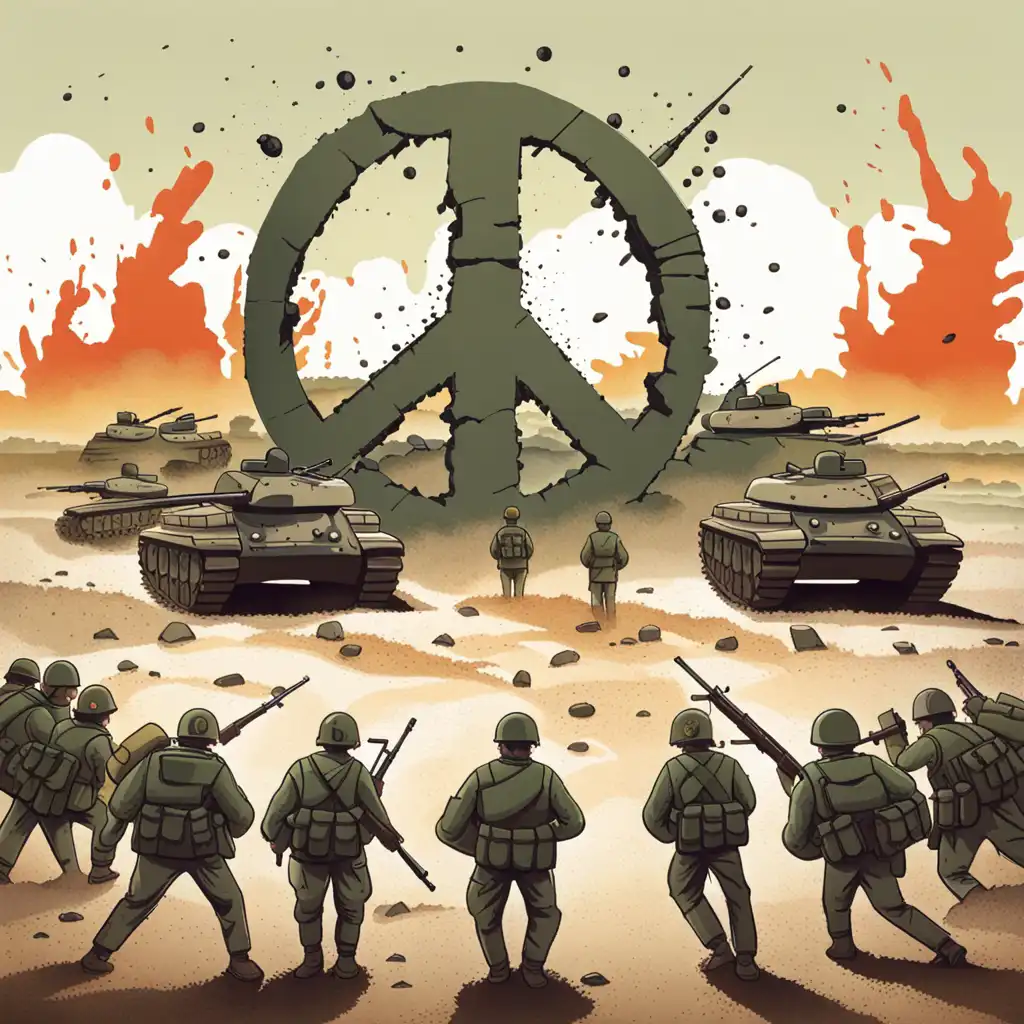
An event or action that leads to another one.
Their short-lived peace was merely the prologue to another war.
오디오를 불러오지 못했어요. 잠시 후 다시 시도해 주세요.
A prologue is a part of a book, play or movie that comes before the main story. It is usually designed to give some background information on the story or characters, or to set the stage for what's to come. A prologue can help the audience or reader understand the story better by providing important information that is not included in the main story. For example, in a play, a prologue might be spoken by a person or narrator to give context to the story. In a book, it might be the first chapter that introduces the setting or characters. Understanding the use of a prologue can help readers better appreciate a story's structure and meaning.
Beginning simply refers to the first part of something.
A prologue is a specific type of beginning that is used in literature. It is an introductory section of a book or play that provides information to the reader about what has happened before the main story takes place.
Beginning can be used more broadly to describe any start, while prologue is a more specific type of beginning used in literature to provide context for the story.
단어 열기: Beginning →A foreword is an introduction to a book, usually written by someone other than the author, that provides context, background information, or praise for the work.
A foreword provides an outside perspective on the book, while a prologue is written by the author to introduce the story.
단어 열기: Foreword →Introduction refers to the beginning or opening part of a book, speech, or other written work. It sets up the context and provides an overview or outline of what the reader or audience can expect to encounter.
Prologue, on the other hand, is a specific type of introduction that appears at the beginning of a play or a novel. It usually presents some of the background or context for the story, introduces the characters and setting, and helps to establish the tone and mood of the work.
Essentially, an introduction is a general term for the opening section of a piece of writing, while a prologue is a specific type of introduction that appears at the beginning of a play or novel.
단어 열기: Introduction →Open refers to the beginning of a story or a book where the plot starts.
In simple terms, while open is the start of the story, prologue is an introduction to the story.
단어 열기: Open →A preface is an introduction to a book written by the author that gives background information on the topic, the author's motivation for writing the book, or any acknowledgments.
So, while both preface and prologue are used as introductory sections of a book, a preface is more about the author's perspective and motivation, while a prologue is focused on the story itself.
단어 열기: Preface →Prelude and prologue are both introductory stages of a literary work, but they differ in their purpose and placement.
A prelude refers to an introductory musical piece that precedes a larger work, or can also refer to an introductory section of a book or play that sets the tone or theme.
A prelude can provide context, background information, or an overall impression of what is to come.
Prelude and prologue refer to different kinds of introductory stages for a literary work, with prelude being more focused on mood and tone, and prologue being more focused on conveying important information to the reader.
단어 열기: Prelude →Everything you need to...
YouTube에서 보기 ↗What is past is prologue.
LA92 Panel - Live %\PIPE%...
YouTube에서 보기 ↗A popular government without popular information or the means of acquiring it, is but a prologue to a farce, or a tragedy, or perhaps both.
A letter to all who have...
YouTube에서 보기 ↗I hate prologues because they're kind of gimmicks to suck you in.
Courtship is to marriage, as a very witty prologue to a very dull play.
Some people try to get very philosophical and cerebral about what they're trying to say with jazz. You don't need any prologues, you just play.
At one point it occurred to me that the title could make a more significant contribution to the storytelling process. It could act as a prologue.
A deliberate choice on my part was for the player to continue to find new possibilities in the early Attic rooms far into the game. I think this builds atmosphere, though it means there's no neat division of the prologue from the middle game.
There was a Ta-Nehisi Coates book called 'Between the World and Me' that I read the prologue, and I was so decimated by it that I couldn't even get through the rest of the book.
I always thought of episode 1 as the prologue and episode 2 as our chapter 1 for 'Loki.
It was difficult to find my way into 'I Am Abraham,' to feel confident enough to inhabit Lincoln's persona. I began with a prologue in a neutral voice, wrote of Lincoln at the White House with a sly young reporter quizzing him about his humble origins.