
eponym
noun eponym
ˈepənɪm
A person after whom a discovery, invention, place, etc., is named or thought to be named.
The sandwich is an eponym of John Montagu, Fourth Earl of Sandwich.
eponym
ˈepənɪm
Loading…
ˈepənɪm
A person after whom a discovery, invention, place, etc., is named or thought to be named.
The sandwich is an eponym of John Montagu, Fourth Earl of Sandwich.
ˈepənɪm
A name or noun formed after a person.
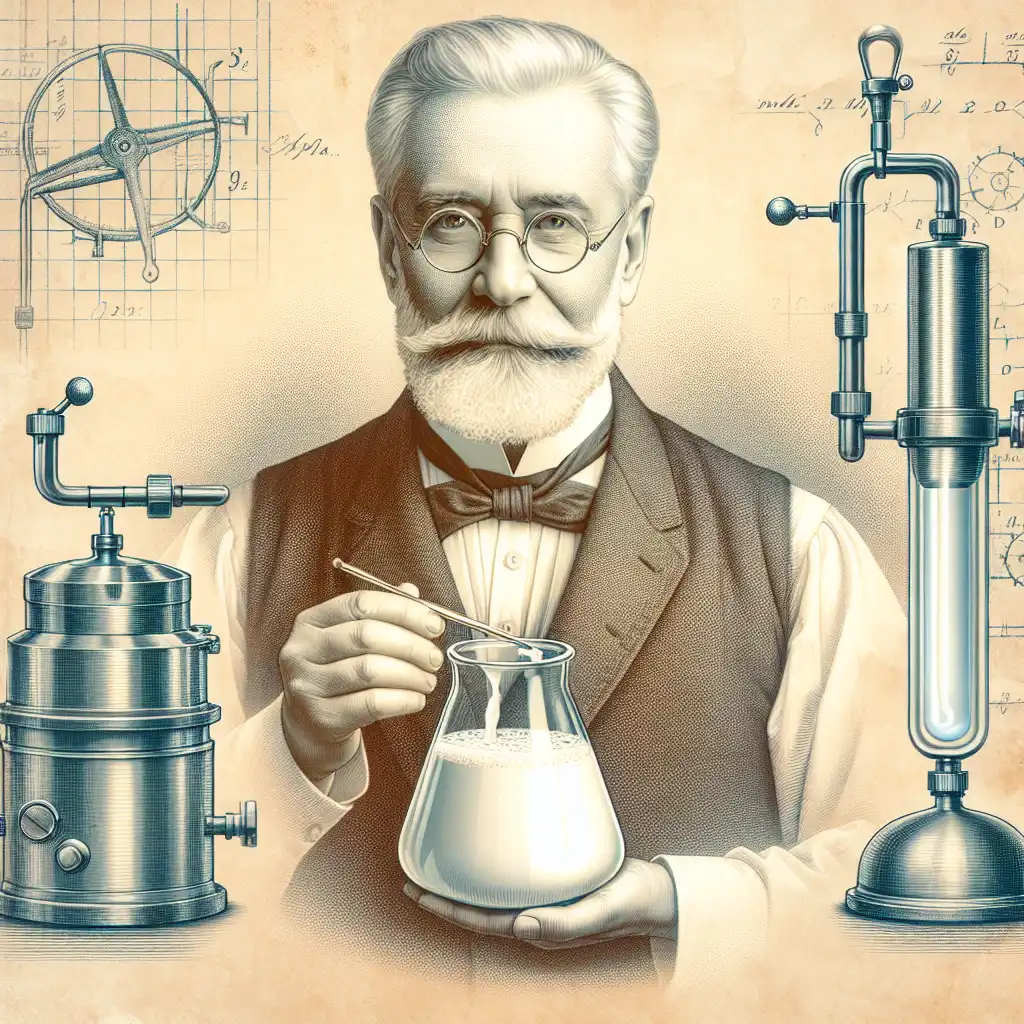
In the term 'pasteurization,' Pasteur is the eponym.
Audio could not be loaded. Please try again later.
An eponym is a word that is derived from a person's name. For example, the word 'Adidas' is an eponym because it comes from the name of the company's founder, Adi Dassler. Another example is the word 'sandwich', which is named after John Montagu, the 4th Earl of Sandwich, who is said to have originated the concept of putting meat between two pieces of bread. Eponyms can be found in all sorts of fields, including technology, science, and literature. They are used to honor someone's legacy or to give recognition to their contribution to a particular field.
Celebrity refers to a famous person or someone who is well-known for their accomplishments, skills, or talents.
Celebrity describes a famous person, while eponym describes something that is named after someone or something.
Open word: Celebrity →A founder is a person who establishes or creates something. For example, Steve Jobs is considered the founder of Apple Inc.
Founders are applicable when referring to a person who creates or starts something, such as a business or organization.
Open word: Founder →An icon is a symbol or representation of a person or thing that is widely recognized or revered. For example, Elvis Presley is often considered an icon of rock and roll music.
In short, eponyms refer to the origins of names, while icons refer to the significance and influence of people or things that are recognized and revered.
Open word: Icon →Both eponym and namesake refer to a person who something is named after.
Namesake refers to a person who is named after someone, such as a child named after a grandparent or a celebrity. It means they share the same name, but not necessarily the same accomplishments or characteristics.
So, in short, eponym is used when something is named after a person who created it or discovered it, while namesake is used when a person is named after someone else.
Open word: Namesake →An originator is a person who originates, creates, or invents something new. Examples of originators include Thomas Edison, who is credited with inventing the light bulb and Alexander Graham Bell, who is credited with inventing the telephone.
The difference between eponym and originator is that an eponym is someone or something that is already established and gives their name to something, whereas an originator is someone who creates something new.
Open word: Originator →A progenitor is a person or thing that is a direct ancestor or originator of another person, idea, or thing. For example, Charles Darwin is considered the progenitor of the theory of evolution.
In essence, an eponym is named after someone or something, while a progenitor is the originator or ancestor of something else.
Eponyms are applicable in the realm of names, while progenitors are commonly used in the realm of ideas and theories.
Open word: Progenitor →Source refers to the origin or beginning of something.
It can refer to the place where something comes from, or the person or thing that inspired it. For example, the source of a river is where it begins.
Source is typically used when something is being traced back to its origin.
Eponym refers to something named after a person, while source refers to the origin or beginning of something.
Open word: Source →