clatter
verb clatter
ˈklætər
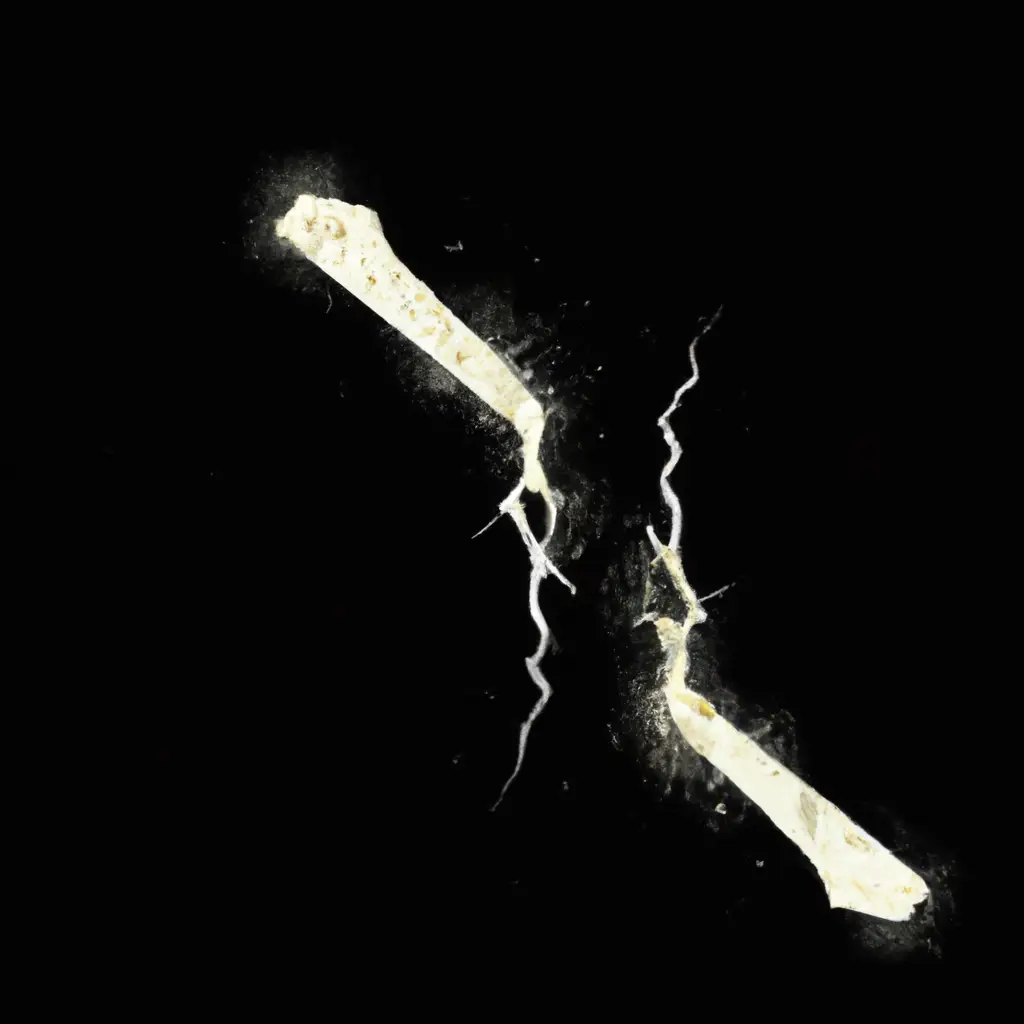
To make a loud, unpleasant noise by hitting hard substances together.
The dishes clattered in the sink as she washed them.
clatter
ˈklætər
Loading…
ˈklætər
To make a loud, unpleasant noise by hitting hard substances together.
The dishes clattered in the sink as she washed them.
ˈklætər
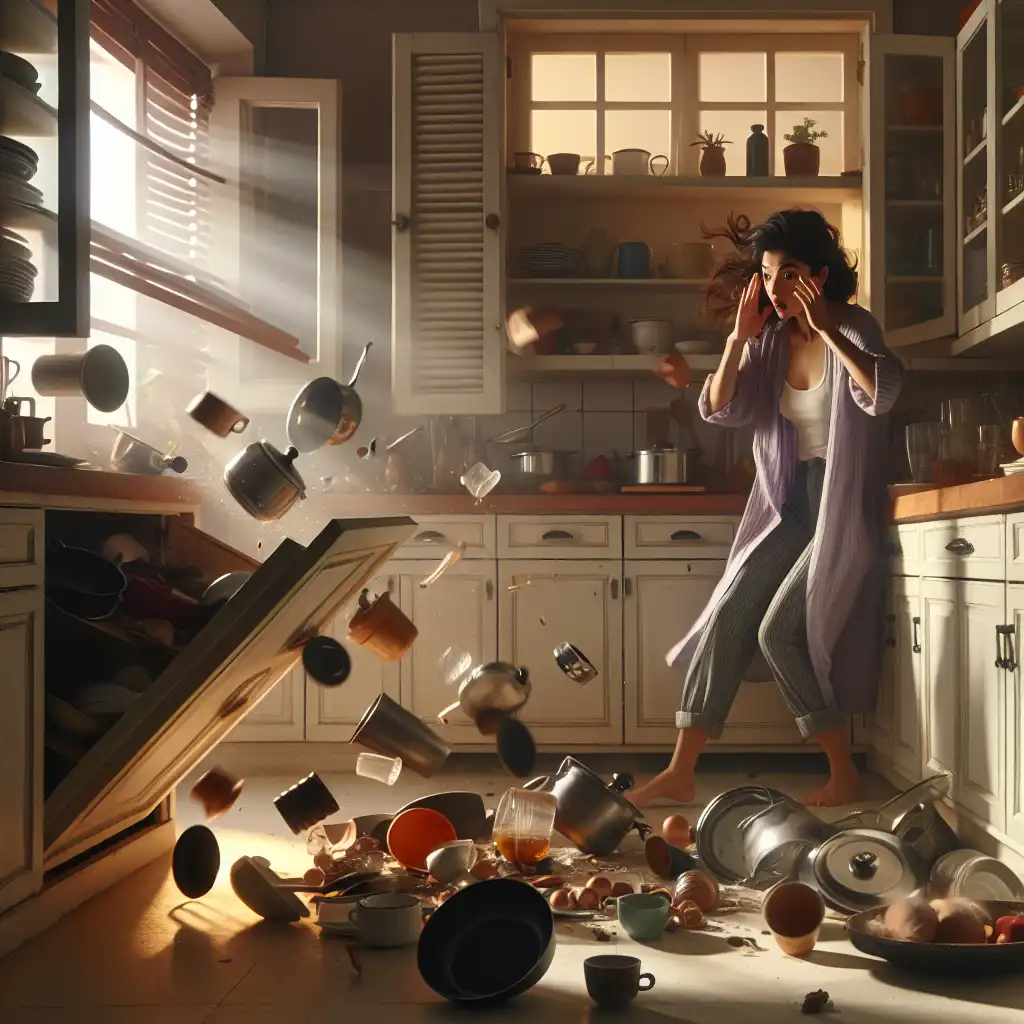
A continuous loud banging or rattling noise.
She was awakened by the clatter of dishes in the kitchen.
ˈklætər
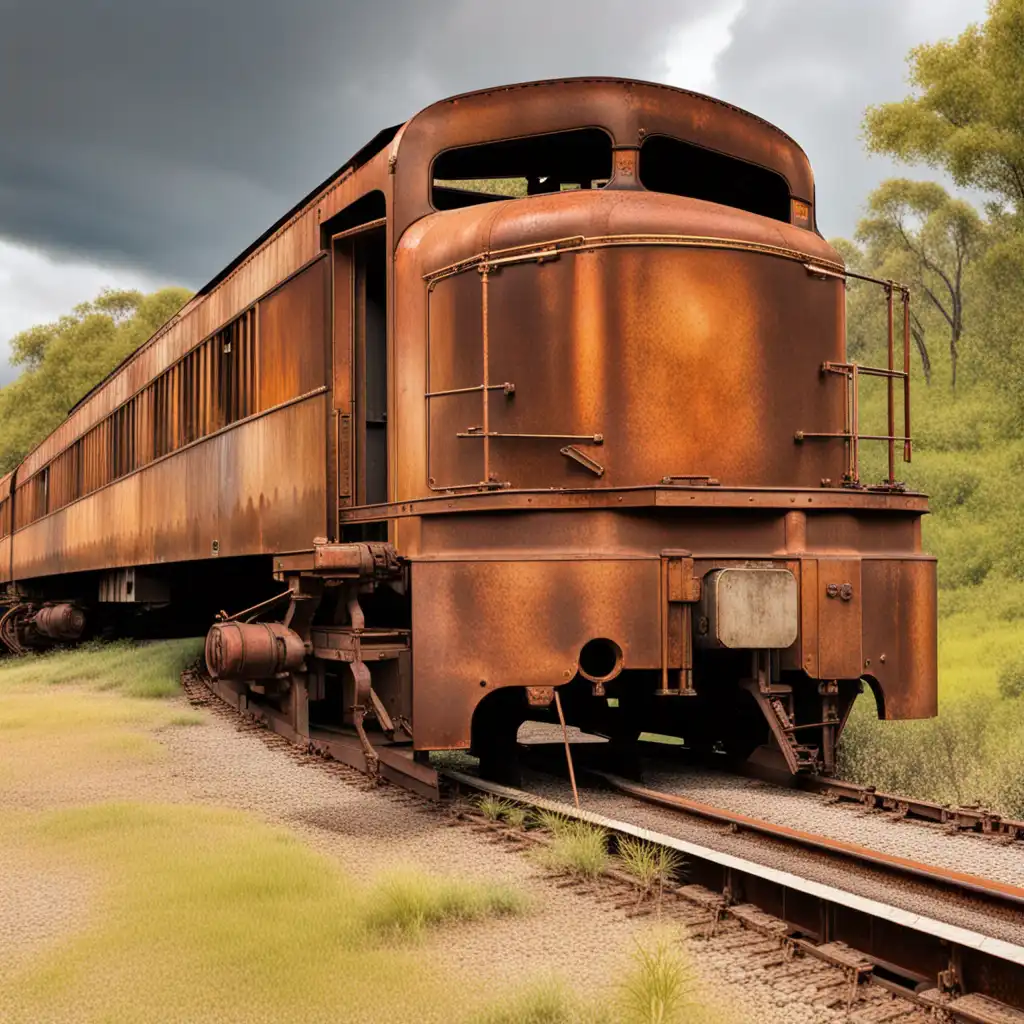
To move making a loud noise.
The old train clattered along the tracks.
Audio could not be loaded. Please try again later.
The word 'clatter' means a loud noise when objects hit each other a few times. You can use it to describe the sound that pots and pans make when they fall in the kitchen. Or the sound of a group of horses galloping on a wooden floor. It can also describe the sound of rain hitting a metal roof.
Bang is a sudden, loud noise that is made from a single, explosive impact. For instance, when a door slams shut, it makes a bang sound.
A bang is a brief, sharp noise while a clatter is a longer lasting, repeated noise.
Open word: Bang →Chatter typically refers to the sound of fast and continuous talking or conversation.
It can also refer to the sound of teeth chattering from cold or fear.
To summarize, chatter is a sound made by people or animals, while clatter is a sound made by inanimate objects.
Open word: Chatter →Both words, clang and clatter, refer to loud, ringing noises.
However, clang usually describes a sharp, metallic sound produced by objects striking each other. For instance, a hammer striking a bell would produce a clang.
Clang is used for sharp, metallic sounds, while clatter is used for a continuous, noisy sound.
Open word: Clang →Clink, on the other hand, refers to a sharp, metallic sound that is produced by the collision of two hard, small objects like coins or glasses.
Clatter is used for louder, more chaotic sounds involving larger objects, while clink is used for smaller, sharper sounds involving smaller objects.
Open word: Clink →Din refers to a continuous, loud noise that can be made by a combination of things. For example, the din of traffic on a busy street or the din of people talking at a party.
Din describes a more general sound that is consistently loud and can be heard from a distance.
Clatter describes a specific, repetitive noise, while din describes a constant, loud noise that may be made up of different sounds.
Open word: Din →Jangle is a high-pitched and unpleasant sound made by metal objects hitting each other.
It is often used to describe the sound of keys or chains rattling. For example, a set of keys jangle when they are put in a pocket, and the metal on a bracelet can jangle when it moves.
Clatter describes a loud, harsh, and continuous noise made by hard objects hitting each other, while jangle is a high-pitched and unpleasant sound made by metal objects hitting each other.
Open word: Jangle →Both words, clatter and rattle describe a type of noise, but they are slightly different. Clatter is a loud, continuous noise that is often made when hard objects hit each other.
For example, when dishes are being washed, there may be a clattering sound. Rattle is a shorter and sharper noise.
It is often created by something that is loose or has a small part that is moving back and forth. For example, if a car has a loose part, it may rattle as it drives.
Clatter is used for a loud, continuous noise, and rattle is used for a shorter, sharper, and repetitive noise.
Open word: Rattle →Tinkle refers to a light and pleasant sound, usually produced by small objects striking against each other. For example, we use the word tinkle for the sound of a small bell or wind chimes.
Clatter describes loud and harsh sounds, while tinkle describes light and pleasant sounds.
Open word: Tinkle →Hollywood movie thus an electrical storm waiting for endangered wolf to blunder out of the darkness surely with lightning clattering round the sky any self-respecting wolf will be curled
Watch on YouTube ↗When I was a young child, professional aspiration was synonymous to me with the clatter of my mother's high-heeled boots as she went off to teach each 1970s weekday morning, carrying her graded blue books under her arm.
clattering of hooves of the Headless Horseman beware he still rides he still rides
Watch on YouTube ↗For a while, gently bumping into my nightstand meant a pile of 50 books clattering onto my head and the floor. After the 10th time this happened, I moved most of the books to a shelf in the spare room. Now, my nightstand is sort of like a bookish country club. And not all books get in.
So I commissioned a wonderful composer Nico Muhly, who wrote nine songs using the text, and we performed this fantastic evening of -- he wrote music for both amateurs and professionals. I played the clattering teacup and the slinky
Watch on YouTube ↗Israeli ingenuity was never more evident than in the Ayalon bullet factory built during the British occupation of Palestine. It was constructed underneath an urban kibbutz. The workers had a bakery and laundry which provided constant clatter to disguise the work carried on below ground.
What's happening to movie critics is no different from what has been meted out to book, dance, theater, and fine-arts reviewers and reporters in the cultural deforestation that has driven refugees into the diffuse clatter of the Internet and Twitter, where some adapt and thrive - such as Roger Ebert - while others disappear without a twinkle.