
granule
noun granule
ˈɡrænjuːl
A tiny piece or particle of something.
She added a granule of sugar to her tea.
granule
ˈɡrænjuːl
Chargement…
ˈɡrænjuːl
A tiny piece or particle of something.
She added a granule of sugar to her tea.
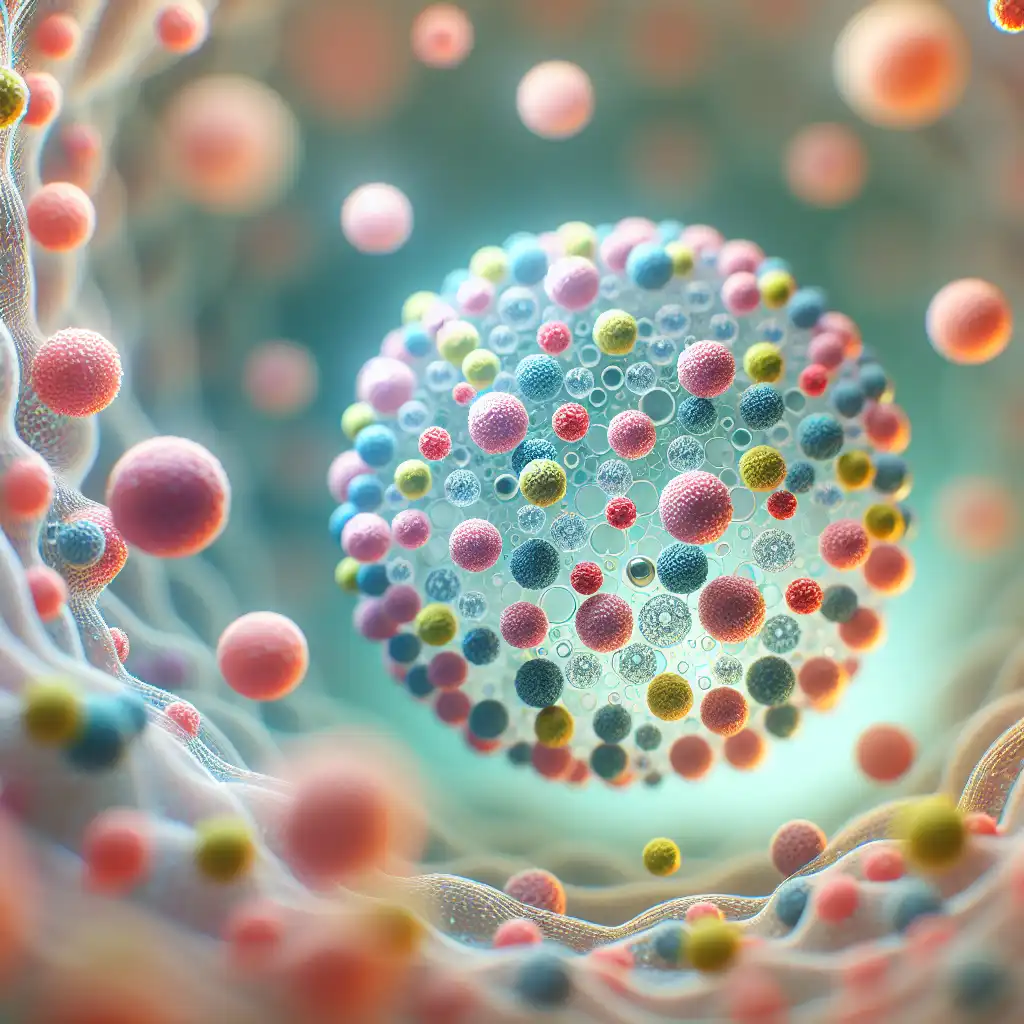
ˈɡrænjuːl
A small compact particle in organisms or cells.
Granules can be seen in the cell under a microscope.
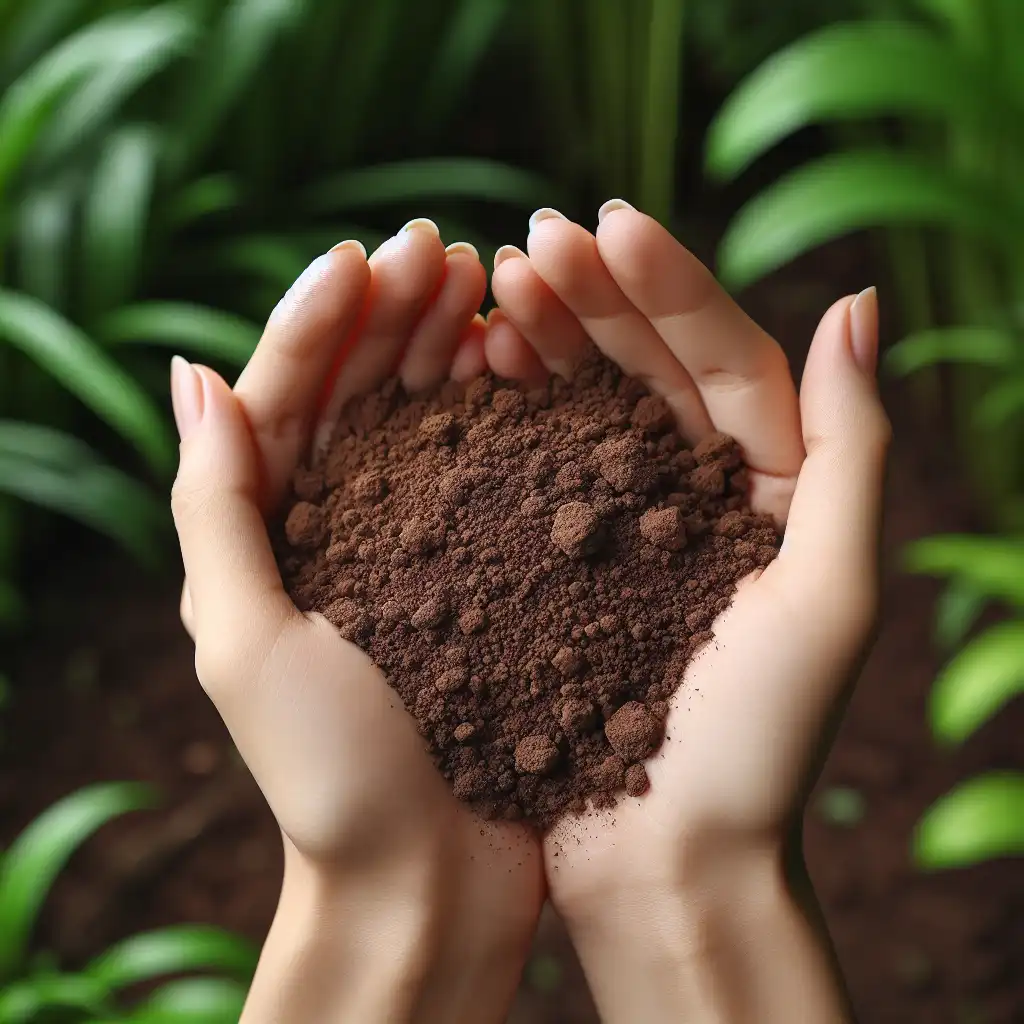
ˈɡrænjuːl
A small, hard, lightweight, free-flowing particle produced in large numbers by certain plants or bodies.
The soil here is granular, full of tiny granules.
Impossible de charger l’audio. Réessayez plus tard.
A granule is a small particle or grain. It can be used to describe things like sugar, salt, or sand, which are made up of tiny granules. You can also find granules in medicines, fertilizers, and other powdery substances. The word 'granule' is often used in scientific contexts, such as in biology or geology, to describe the smallest pieces of matter. For example, you might hear about granules in plant cells or in rocks. Overall, the word 'granule' refers to something small and grainy, so it's used to describe things that are made up of tiny pieces or particles.
An atom is the smallest unit of a chemical element that retains its chemical properties. Atoms are the building blocks of all matter and cannot be broken down any further without completely changing the element.
Atoms are used to describe the composition of molecules and substances in the field of chemistry.
They are not the smallest unit of a substance like atoms are, but rather a small piece of it.
In summary, atoms are the smallest building blocks of matter, while granules are small pieces or particles of a substance.
Atom is used in the field of chemistry to describe substances and molecules, while granule is used more broadly to describe small particles or grains of materials.
Ouvrir le mot: Atom →A crumb is a small piece of bread, cake, or pastry that has broken off from a larger piece.
The main difference between the two words is their shape and size. Crumbs tend to be irregular and often come from baked goods, while granules are uniformly shaped and come from various substances.
In terms of where each word is applicable, you might say that crumbs are more commonly used in a culinary context, while granules are used more in scientific or industrial settings.
Ouvrir le mot: Crumb →A fragment is a broken piece of something larger. It is applicable when something has been broken or shattered into smaller pieces.
For example, a fragment of glass or a fragment of a rock.
A fragment is a piece that was once part of a larger whole that is now broken, while a granule is a small particle or grain.
Ouvrir le mot: Fragment →Grain refers to a small, hard, dried seed that comes from cereal crops like wheat, rice, or corn, while granule refers to a small particle or a granular substance like salt or sugar.
Grain is applicable in the context of farming or cooking, while granule is more often used in a scientific or industrial context.
Ouvrir le mot: Grain →A nugget is a small piece of something that is irregularly shaped and often has a more valuable or precious quality. Nuggets are commonly associated with things like gold and chicken, but can be used more generally to describe any small, irregularly shaped piece of something.
The main difference between the two words is that granule refers to something that is uniform in shape and size, while nugget refers to something that is irregular in shape and often has a higher value.
Granules are more commonly found in everyday products, while nuggets are associated with more rare or precious materials.
Ouvrir le mot: Nugget →Granules are small, compact particles that are typically made up of a single substance. They are usually larger than particles and can be seen with the naked eye.
Particles are microscopic bits of matter that can be composed of different substances. They are generally smaller than granules and cannot be seen without a microscope.
Particles are used in the context of physics and chemistry to describe the behavior of atoms and molecules.
In summary, granules are larger, visible particles that are typically used in the context of agriculture and gardening, while particles are microscopic bits of matter used in physics and chemistry.
Ouvrir le mot: Particle →On the other hand, pellets are small, spherical or cylindrically shaped particles that are typically cleaner and smoother in texture than granules.
They are usually derived from finer materials, such as wood powder, plastic or metal. Pellets are commonly used in various applications, such as for heating and cooking, manufacturing, and animal food.
In summary, granules are typically rough, irregularly shaped particles derived from coarse materials, while pellets are cleaner, smoother, and typically spherical or cylindrical particles derived from finer materials.
Granules are commonly used in the manufacturing process of various products, such as fertilizers and pharmaceuticals, while pellets are used in various applications, such as heating and animal food.
Ouvrir le mot: Pellet →A speck refers to a very small spot or mark that is just visible, like a tiny dot or a piece of dust. Granule describes small, rounded particles, while speck describes very small irregular shapes or marks.
For example, a granule of salt or sugar might be visible in a spoon, while a speck of dust or dirt might be seen on a surface.
Essentially, granule describes a particular type of small particle, while speck is a more general term that applies to anything that is minuscule and visible.
Ouvrir le mot: Speck →Your body vs. implants -...
Voir sur YouTube ↗I do a little thing about the way people shake the sweetener packet. You know, like they're all excited. I want to get all the granules down to one end. I love all these rituals.
How to be your best self...
Voir sur YouTube ↗The electron can no longer be conceived as a single, small granule of electricity; it must be associated with a wave, and this wave is no myth; its wavelength can be measured and its interferences predicted.
Safari Live - Day 134 %\PIPE%...
Voir sur YouTube ↗