umber
noun umber
ˈʌmbər
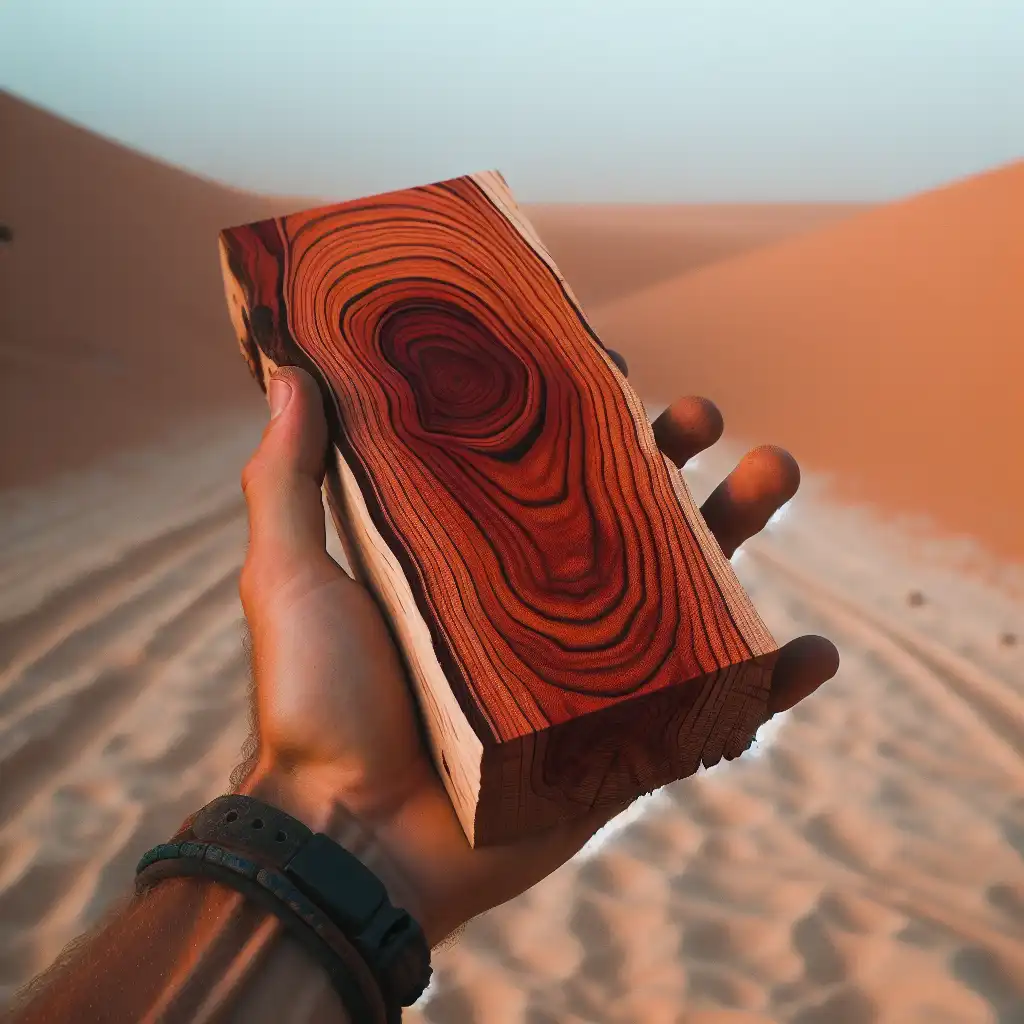
Umber mainly refers to a dark brown or reddish-brown color.
The wood was a warm, deep umber tone.
umber
ˈʌmbər
読み込み中…
ˈʌmbər
Umber mainly refers to a dark brown or reddish-brown color.
The wood was a warm, deep umber tone.
ˈʌmbər
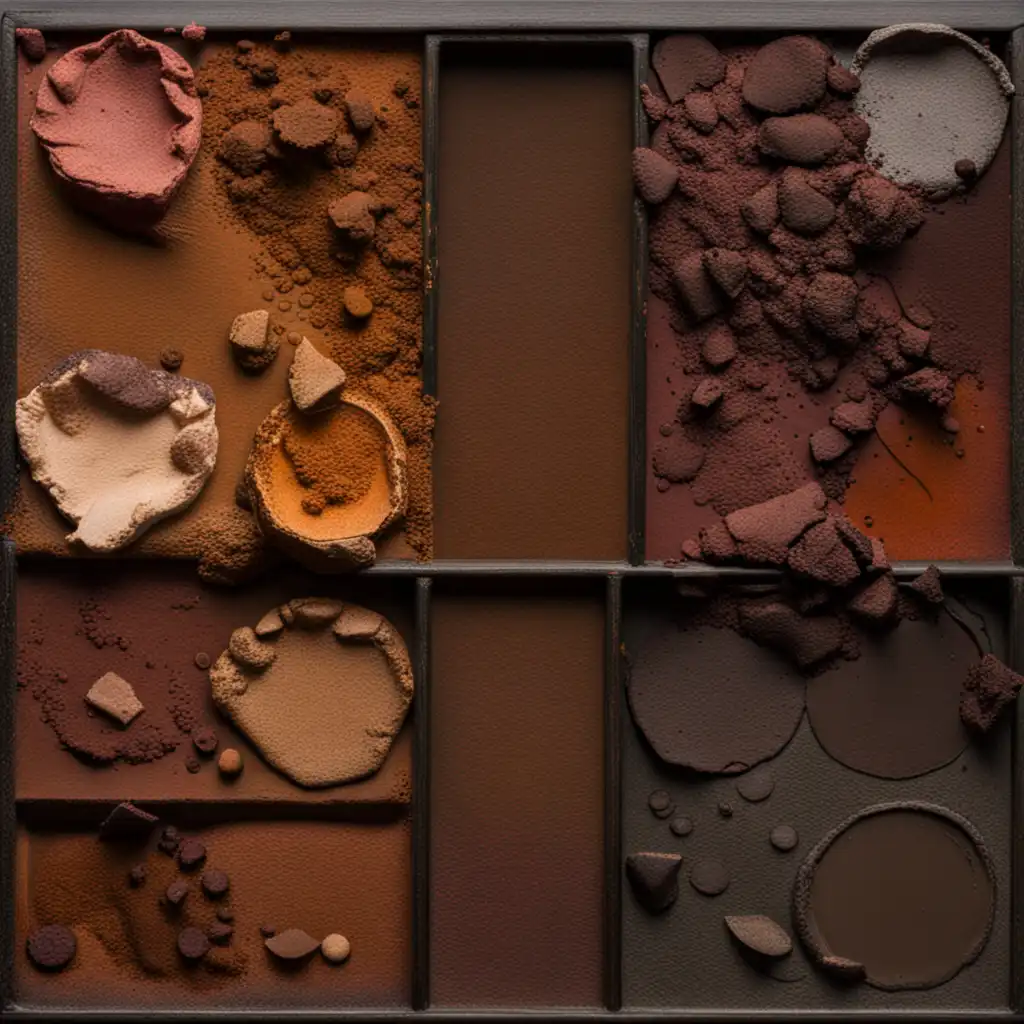
Natural brown earth, rich in iron and manganese, used as a pigment.
The painting was primarily done in shades of umber.

ˈʌmbər
Having the color or tone of umber.
Her umber eyes sparkled in the sunlight.
音声を読み込めませんでした。しばらくしてからもう一度お試しください。
The word 'umber' can be used to describe a dark brown color. It can also be used to refer to a natural brown pigment found in soil or rocks. For example, you might say "the tree bark had an umber color" or "the artist used umber in their painting to create shadows and depth."
Brown and umber are both colors that are used to describe shades of brown, but there is a slight difference between them in terms of their origin and use.
Brown is a general term for a color that is produced by mixing red, yellow, and black.
It can range in shade from light (like tan) to dark (like chocolate). Brown is a versatile color that is used in many different contexts, from clothing to interior design to art.
Umber is a specific shade of brown that is made by mixing raw sienna and raw umber pigments. It is a darker shade of brown than most browns and has a distinctive reddish-brown or yellow-brown hue.
In summary, while both brown and umber are shades of brown, brown can refer to a wider range of colors, while umber specifically refers to a darker, reddish-brown shade produced by mixing specific pigments.
単語を開く: Brown →Chestnut is a reddish-brown color, while umber is a darker brown color. Chestnut is typically used to describe the color of the nut or the tree's wood, while umber is a synonym for dark brown and describes dark earthy colors like those found in natural landscapes.
In art, umbra pigment was historically made from natural earth and clay pigments, producing a deep brown color. In simpler terms, chestnut is a lighter reddish-brown color, while umber is a darker brown color.
単語を開く: Chestnut →Both ochre and umber are natural pigments used in painting, but there are some differences between them.
Ochre is a yellow-orange or reddish-brown color that comes from natural iron oxide clay.
Ochre can vary in shade from light yellow to dark reddish-brown and is commonly used in paintings to create warm and earthy tones.
Ochre is a yellow-orange or reddish-brown pigment used for warm and earthy tones, while umber is a dark-brown pigment used for shadows and depth.
単語を開く: Ochre →Rust and umber are two different colors. Rust is a reddish-brown color that is common in iron and steel when they oxidize or rust.
Rust is most often used to describe the color of metal that has been corroded, while umber describes the color of natural substances like soil or clay.
For example, rust might be used to describe the color of a rusty metal pipe, while umber might be used to describe the color of a pot made from clay.
単語を開く: Rust →Sepia and umber are both colors, but they are slightly different.
Sepia is a brownish-gray color with a hint of red that is often used to create a vintage or old-fashioned effect. It is named after the sepia ink that was used to tint photographs in the past.
Sepia is often used in photography or design to create an aged or nostalgic feel.
So, in summary, Sepia is a brownish-gray color with a hint of red that is often used to create a vintage or old-fashioned effect, while umber is a darker brown color, with a red or yellow tint that is commonly used in painting and drawing as a natural earth pigment.
単語を開く: Sepia →Sienna and umber are both earthy colors. Sienna is a reddish-brown color that comes from a type of clay found in Italy.
Sienna is often used for painting and drawing, particularly in landscapes and portraits.
Sienna is a reddish-brown color used for warm tones, while umber is a dark brown color used for shading and creating shadows.
単語を開く: Sienna →Safari Live - Day 110 %\PIPE%...
YouTube で見る ↗4 Powerful Poems about...
YouTube で見る ↗