
idler
noun idler
ˈaɪdlər
A person who avoids work and spends their time doing nothing
He has been an idler for most of his life, living off his parents' wealth.
idler
ˈaɪdlər
불러오는 중…
ˈaɪdlər
A person who avoids work and spends their time doing nothing
He has been an idler for most of his life, living off his parents' wealth.
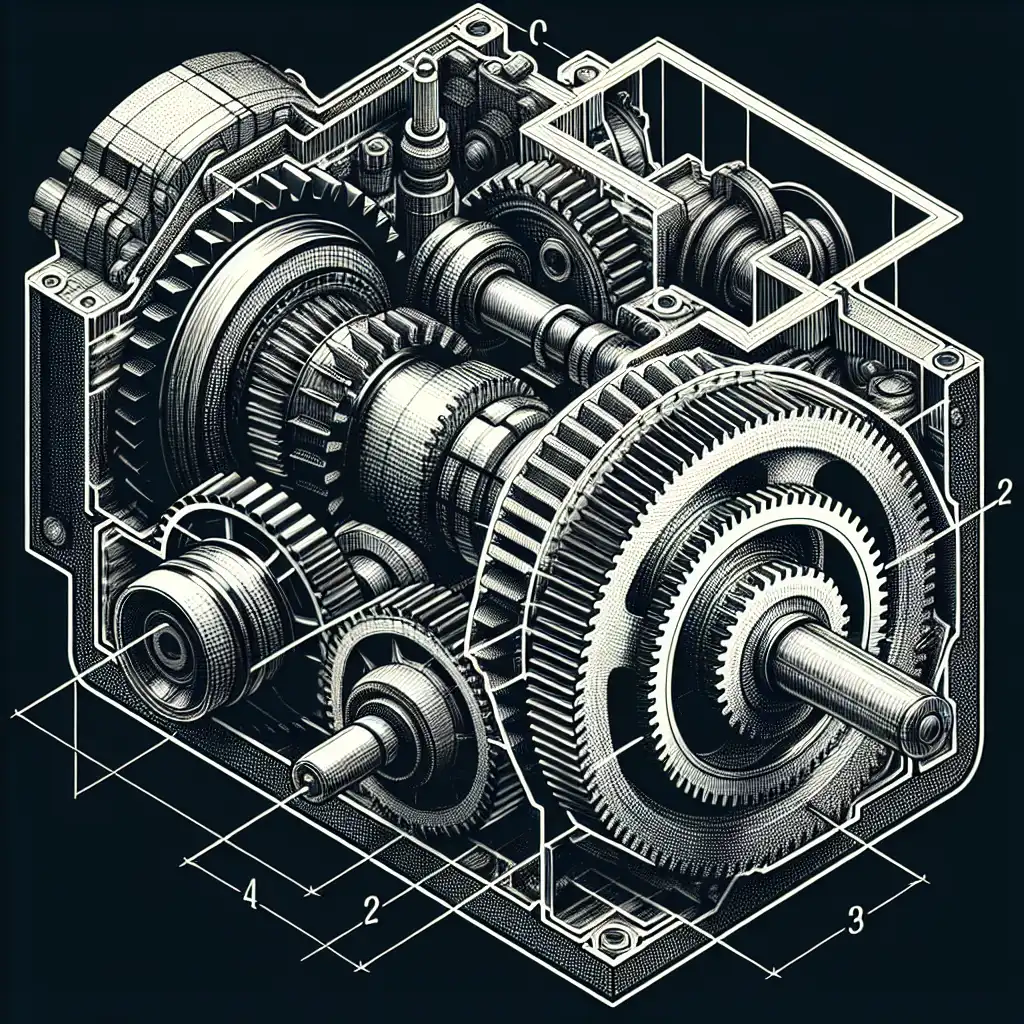
ˈaɪdlər
A mechanical device, such as a gear or pulley, used to transmit the rotation of the main shaft to other parts of a machine
The failure was due to a broken idler in the engine.
오디오를 불러오지 못했어요. 잠시 후 다시 시도해 주세요.
The word 'idler' is used to describe someone who is lazy or spends a lot of time doing nothing productive. It can be used to refer to someone who lounges around all day without a job or purpose. Generally, it has negative connotations and is considered a criticism of someone's work ethic. For example, "He's such an idler, he has been sitting on the couch all day and hasn't done anything productive."
Bum is a slang term used to describe a person who is lazy or doesn't work.
It is not as negative as bum and can be used in a more respectful manner. Idler is usually used in formal writing or speech, while bum is more informal and casual.
단어 열기: Bum →The word Celt refers to an ancient group of people who lived in Europe around 2000 years ago. They were known for their distinctive cultural practices and their skill in crafts like metalworking.
In brief, Celt is a historical and cultural term, while idler is a descriptive term for someone's behavior.
단어 열기: Celt →Both deadbeat and idler refer to someone who is considered lazy or idle, but they have different connotations.
Deadbeat usually refers to someone who doesn't work or refuses to pay their debts.
A deadbeat might be someone who is unemployed and unwilling to find a job, or someone who borrows money and never pays it back.
Deadbeat is applicable to someone who doesn't work and doesn't fulfill their financial obligations, while idler is applicable to someone who doesn't work but may not have negative connotations.
단어 열기: Deadbeat →Drone refers to a person or thing that performs a repetitive or monotonous task, often without much thought or effort.
Both words imply a sense of inactivity or lack of productivity, but drone suggests more of a lack of creativity or engagement with the task at hand, while idler suggests a deliberate choice not to work or be productive.
Drone is often used in a more neutral or even positive context (e.g. a worker who diligently performs a tedious task), while idler is usually seen as negative or undesirable (e.g.
단어 열기: Drone →An idler is someone who is lazy and avoids work or activity, while a laggard is someone who is slow to move, change, or progress.
Laggard applies to someone who is slow to act or make progress. For example, a student who is consistently falling behind in their studies may be referred to as a laggard.
Idler refers to someone who avoids work, while laggard refers to someone who is slow to progress.
단어 열기: Laggard →Both idler and loafer refer to someone who is lazy and avoids work.
However, idler can also imply someone who is wasting time or doesn't have any specific purpose or direction in life. Loafer typically refers to someone who is simply being lazy and not working when they should be.
An idler might spend their days doing nothing productive or valuable, while a loafer may be someone who avoids work or responsibility but still has a specific goal or purpose in mind.
단어 열기: Loafer →Idler refers to someone who habitually avoids work or physical activity, whereas procrastinate means to delay or postpone something that needs to be done.
Procrastinate is applicable when someone delay doing something because of various reasons such as fear, indecisiveness, or lack of motivation.
In simpler terms, an idler is someone who doesn't work when they are supposed to, whereas someone who procrastinates might eventually do the work but only after delaying it.
단어 열기: Procrastinate →A shirker is someone who avoids or neglects their responsibilities, especially when it comes to work or duty. Unlike an idler, a shirker may have work to do but they don't want to do it.
단어 열기: Shirker →It describes someone who is not productive and wastes time. Slack refers to a lack of effort or activity.
If a rope is loose and not tight, it is said to be slack. Idler is applicable to describe a person who is not productive while slack is applicable to describe something that is not tight.
단어 열기: Slack →How math saved my life %\PIPE%...
YouTube에서 보기 ↗Industry has operated against the artisan in favor of the idler, and also in favor of capital and against labor. Any mechanical invention whatsoever has been more harmful to humanity than a century of war.
Come, come, leave business to idlers, and wisdom to fools: they have need of 'em: wit be my faculty, and pleasure my occupation, and let father Time shake his glass.
Without doubt, machinery has greatly increased the number of well-to-do idlers.
London, that great cesspool into which all the loungers and idlers of the Empire are irresistibly drained.
All poets are idlers, even if all idlers are not poets.
Tomorrow is the day when idlers work, and fools reform.
Tomorrow is the day when idlers work, and fools reform, and mortal men lay hold on heaven.
Tomorrow is the day when idlers work, and fool reform, and mortal men lay hold on heaven.
I suddenly realised, hey, I'm not a lazy idiot, I'm an idler! It's something to aspire to, it's part of the creative process! That's fantastic!
Truly, the bench is a boon to idlers. Whoever first came up with the idea is a genius: free public resting places where you can take time out from the bustle and brouhaha of the city, and simply sit and watch and reflect.