imitate
verb imitate
ˈɪmɪteɪt
To behave or operate in a way similar to something or someone else
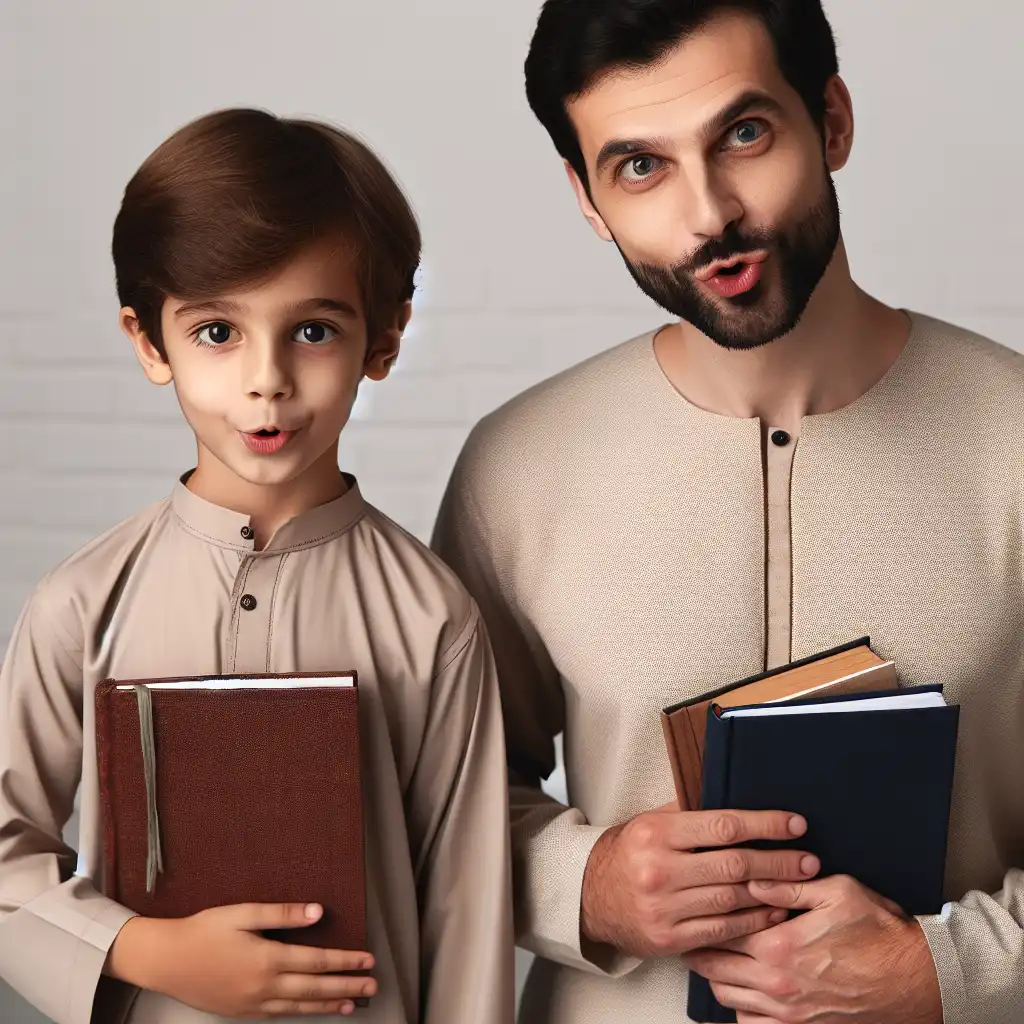
He often imitates his teacher's accent.
imitate
ˈɪmɪteɪt
Chargement…
ˈɪmɪteɪt
To behave or operate in a way similar to something or someone else
He often imitates his teacher's accent.

ˈɪmɪteɪt
To copy the actions, appearance, or speech of someone or something
Children learn by imitating adults.
ˈɪmɪteɪt
To make a product or process similar to an existing one
Other manufacturers will undoubtedly imitate this successful design.
Impossible de charger l’audio. Réessayez plus tard.
The word 'imitate' means to copy someone or something. You can use it when you want to copy someone's behavior or actions, or when you want to make something that is similar to something else. For example, if you want to learn to speak English like a native speaker, you can imitate their accent and way of speaking. Or if you want to make a painting that looks like a famous work of art, you can try to imitate the style of the original artist. It's important to remember that when you imitate someone or something, you are not making an exact replica, but instead creating something that is similar.
Copy means to duplicate something exactly as it is, without any original tweaks, changes, or creativity. For instance, a photocopier creates copies of documents that are identical to the original.
The difference between these two depends on the objective you're trying to achieve. If you want an exact replica of something, then you would copy it.
Ouvrir le mot: Copy →To emulate means to try to equal or surpass someone or something by imitating their methods or achievements. This means you are trying to match their success or achieve something at their level through imitation.
To emulate is to strive to achieve something by following a successful example, while to imitate is to simply copy someone else's actions or behavior without necessarily trying to achieve the same success.
Ouvrir le mot: Emulate →Impersonate means to pretend to be someone else, often with the intention of deceiving others.
It is usually used in more serious situations, such as impersonating a police officer or impersonating someone in order to commit fraud.
To imitate means to copy, while to impersonate means to pretend to be someone else. The former is more lighthearted and can be used in many contexts, while the latter is more serious and should be used with caution.
Ouvrir le mot: Impersonate →Both words, imitate and mimic, mean to copy or reproduce something.
However, imitate refers to copying a general style, behavior or mannerism, while mimic specifically refers to copying a person's actions, speech or vocal mannerisms, often in a comedic or mocking way.
Whereas, if someone tries to copy the way their friend talks or walks in a playful way, it would be called 'mimicry'.
The choice between imitate and mimic depends on the context, but imitate is generally used when referring to copying overall style, while mimic is mostly used for copying specific actions or behaviors of a person.
Ouvrir le mot: Mimic →Mirror means to reflect or show an image of something. It is applicable when you want to show or reflect the appearance or behavior of someone or something else.
For example, a child may mirror the behavior of his or her parents by adopting their eating habits or mannerisms.
The main difference between the two words is that imitate is about copying or replicating something while mirror is about reflecting or showing an image.
Ouvrir le mot: Mirror →Parrot means to repeat things that someone else says or does, without understanding its meaning, essence, or context.
For example, a child who repeats everything their parent says, without knowing what those words mean, is parroting them.
Imitate is used when someone is consciously attempting to copy someone or something's actions, while parrot is used when someone is unconsciously repeating what someone else says or does, without necessarily understanding it.
Ouvrir le mot: Parrot →Replicate means to reproduce something exactly, often for the purpose of study or experimentation. For example, a scientist may try to replicate the results of an experiment to confirm its validity.
Imitate applies to copying actions or behaviors, while replicate applies to copying objects or processes.
Ouvrir le mot: Replicate →Simulate means imitating or creating an artificial environment or situation that mimics something. It involves creating a situation that feels like the real thing but is not necessarily the same.
For example, a flight simulator creates a virtual environment that simulates flying a plane.
Imitate is about copying someone or something, while simulate is about creating an artificial environment that mimics something.
Imitate is applicable when you want to copy someone's behaviour or actions, while simulate is applicable when you want to create a training or testing environment.
Ouvrir le mot: Simulate →And that ability to imitate as well as to use tools, is something which started among monkeys, but has been brought to a much greater level among the apes. Those two talents were ultimately to lead to the transformation of the world.
Voir sur YouTube ↗Life doesn't imitate art, it imitates bad television.
and allows ecosystems to flourish. You might even say that for this iconic plant life imitates legend. In the wild mistletoe has the power to bring things together, and in our own traditions we see that happening too.
Voir sur YouTube ↗Life imitates art far more than art imitates Life.
For one thing they must be involved in things like imitation and emulation. Because to imitate a complex act requires my brain to adopt the other person's point of view. So this is important for imitation and emulation. Well why is that important? Well let's take a look at the next slide.
Voir sur YouTube ↗A return to first principles in a republic is sometimes caused by the simple virtues of one man. His good example has such an influence that the good men strive to imitate him, and the wicked are ashamed to lead a life so contrary to his example.
So I don't think it's any different than photography. - So you can see your aperture. That's what your camera's doing automatically. There's only three things cameras do. So you have a sensor. You have an aperture and a shutter. That's what a camera is. - That's right yep. - Everything with those basics. - You know we always say art imitates life.
Voir sur YouTube ↗Sometimes art imitates life.
sound we have yeah I like to imitate them we have parrot fish chipping away at coral their sharp beaks and the base of a humpback whale pretty much perfect pret never hurt see what I mean there's music all over the world and last but not least he has the runic of a hot of
Voir sur YouTube ↗If you have children, you know you're responsible for somebody. You realize you are being imitated; your belief systems and priorities have a direct influence on these children, who are like flowers in a garden.
But while chimps across the world only have a limited repertoire of vocalizations, they constantly invent and share new gestures with each other. One theory basically is that they imitate gestures from each other.
Voir sur YouTube ↗I don't want life to imitate art. I want life to be art.
imitate what she's seen others doing but the most important thing we share is our big brain it's that that has produced so many of the talents and abilities that we have in common
Voir sur YouTube ↗I've been billed as the world's most imitated actor.
too human but while chimps across the world only have a limited repertoire of vocalizations they constantly invent and share new gestures with each other one theory basically is that they imitate gestures from each other they
Voir sur YouTube ↗It's weird, like, my life has always imitated art, and my art has always imitated life.
they gave it to a non-palsy actress. College was imitating life. Hollywood has a sordid history of casting able-bodied actors to play disabled onscreen. Upon graduating I moved back home,
Voir sur YouTube ↗Life imitates art and back around.
and the only light visible to the animals in the deep would be the blue light of the optical lure, which we called the electronic jellyfish or e-jelly, because it was designed to imitate the bioluminescent display
Voir sur YouTube ↗Art may imitate life, but life imitates TV.