aflame
adjective aflame
əˈfleɪm
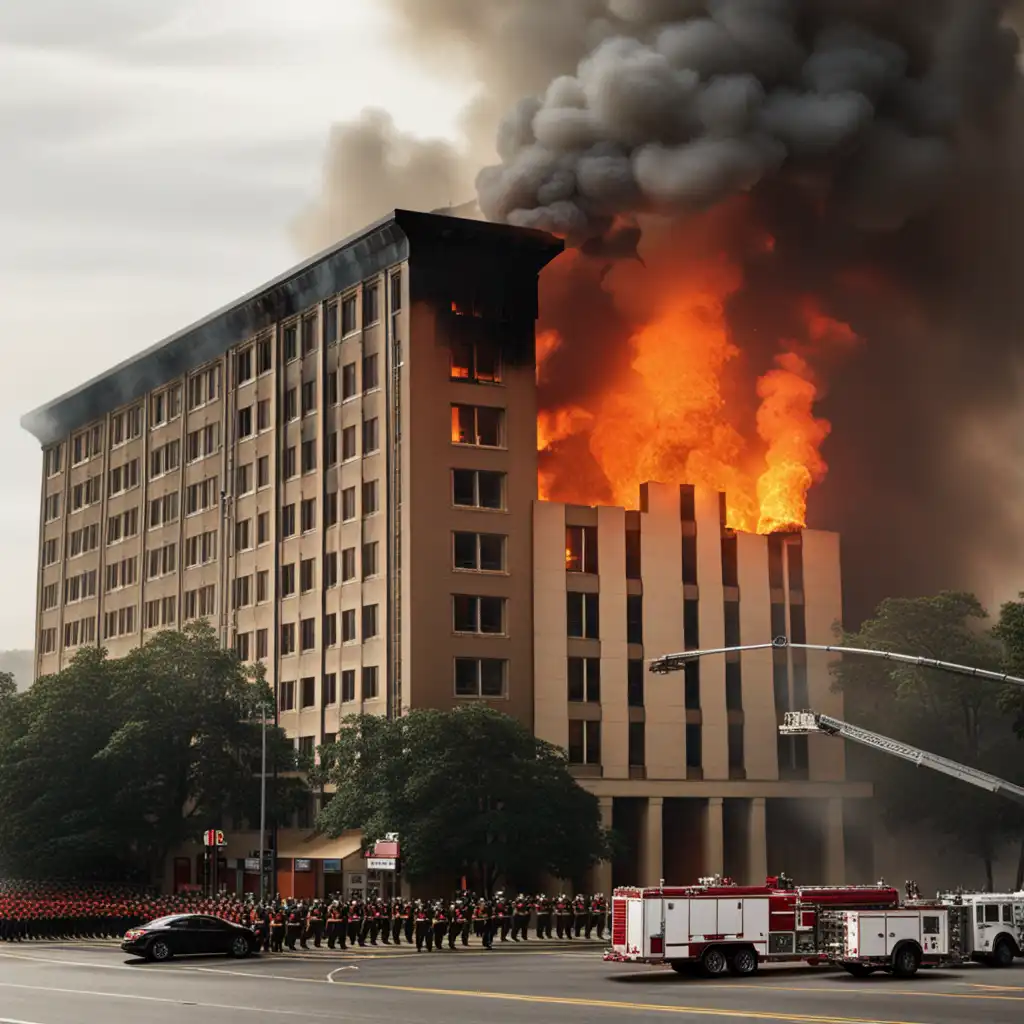
Burning strongly with a lot of flames
The building was suddenly aflame.
aflame
əˈfleɪm
Loading…
əˈfleɪm
Burning strongly with a lot of flames
The building was suddenly aflame.

əˈfleɪm
Showing strong emotions, especially anger or enthusiasm
His eyes were aflame with anger.
əˈfleɪm
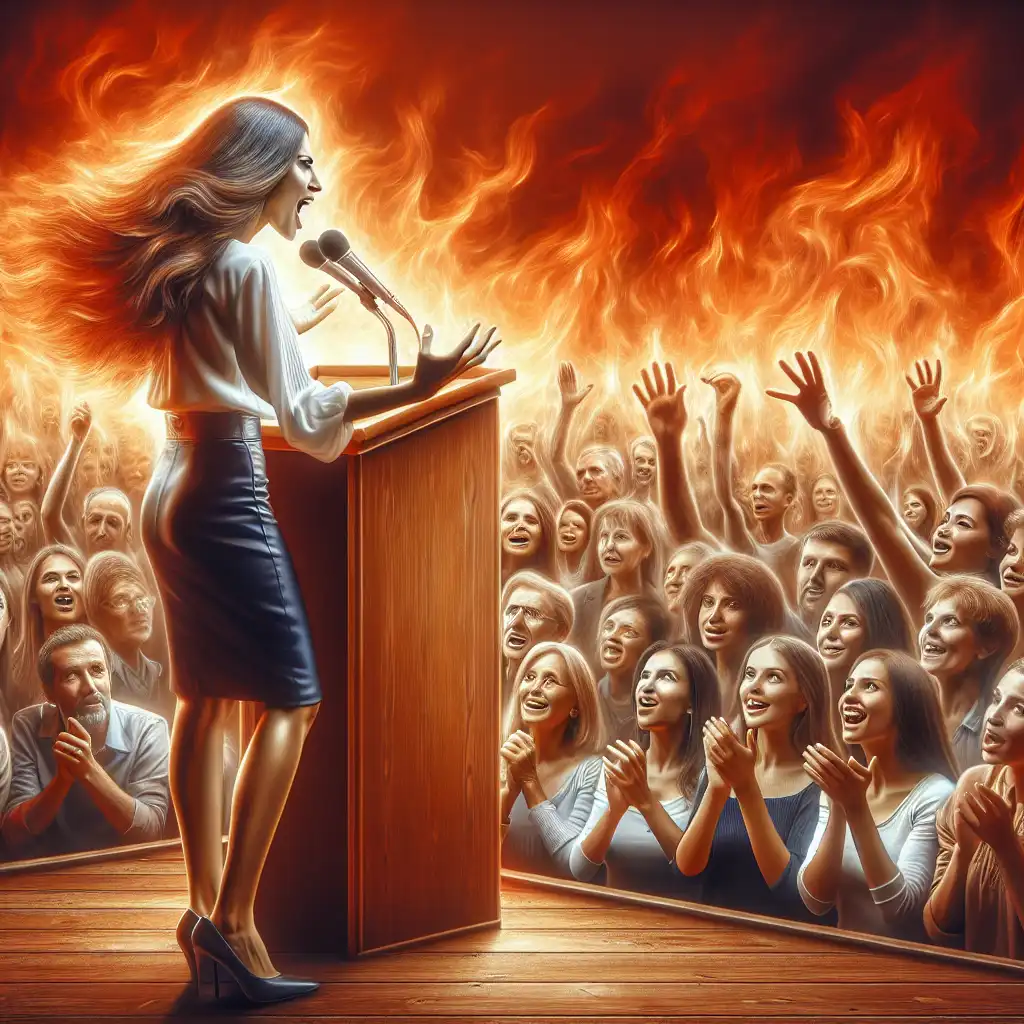
Into a state of strong emotional excitement
She set the crowd aflame with her speech.
Audio could not be loaded. Please try again later.
The word 'aflame' is often used to describe something that is on fire or burning. It can also be used to describe a strong emotion, such as passion, anger, or excitement. For example, you might say that a building is aflame if it is covered in flames or that someone's eyes are aflame with rage. In everyday conversation, 'aflame' is not commonly used and can sound quite dramatic or literary. It is more likely to be used in written or formal contexts, such as in poetry or literature.
Aflame and blaze are both words used to describe something on fire, but they have slightly different meanings.
Blaze usually implies a much more dramatic and intense fire with a lot of flames and heat. You might use the word blaze to describe a forest fire or a house that is engulfed in flames.
Aflame can describe any kind of fire, while blaze specifically refers to a large and intense fire.
Open word: Blaze →Aflame means that something is burning with flames, while burn means to be in the process of being consumed by fire. Aflame is more specific to describe a fire that is burning with visible flames, while burn can refer to any state of being on fire.
Aflame is also more dramatic and poetic, while burn is more straightforward and commonly used. For example, you might say that a house was set aflame by a lightning strike to describe the dramatic scene, while you would simply say that the house burned down to convey the basic information.
Open word: Burn →Aflame means on fire or burning, while consume means to eat or use up completely.
Consume is applicable in a broader sense, meaning to use up or devour completely. For example, we say that fire consumes wood or gasoline, but we can also say that a person is consumed by love or that stress is consuming our energy.
Open word: Consume →Aflame and flame both refer to fire, but aflame refers specifically to something that is on fire or burning intensely, while flame can refer to fire in general.
For example, you might say that the house was aflame, meaning that it was fully engulfed in flames and burning fiercely.
You might say that you started a fire in the fireplace and watched the flames dance and flicker.
Aflame describes something that is burning intensely and out of control, while flame can be used more broadly to describe any kind of fire or burning.
Open word: Flame →Both aflame and ignite refer to the act of setting something on fire.
However, aflame describes something that is already on fire or burning, while ignite refers to the act of setting something on fire.
For example, if a building is on fire, you would describe it as aflame. If you were to light a match or a candle, you are igniting it.
Aflame describes something that is already burning, while ignite describes the act of starting a fire.
Open word: Ignite →Aflame means something is already on fire, while the word inflame means to cause something to become angry or to become physically inflamed.
For example, if a house is on fire, we can say "the house is aflame." If someone says something offensive to you, it may inflame your anger or emotions.
Similarly, if you have a sore throat, it may become "inflamed" due to irritation.
Aflame describes something already burning or on fire, while inflame describes something or someone becoming angry or physically inflamed.
Open word: Inflame →Kindle means to start a fire or ignite something that is not already on fire. For example, "She used a match to kindle the campfire.".
So aflame describes things that are already burning, while kindle describes the act of starting a fire.
Open word: Kindle →Both aflame and on fire are used to describe something that is burning.
Aflame typically refers to a more dramatic, intense fire.
It can also imply a sense of passion or excitement, as in "her heart was aflame with love."
On fire is a more general term that can describe any type of fire, from a tiny flame to a raging inferno.
Aflame is used more often in figurative language, such as poetry or literature, while on fire is used in more literal contexts, such as reporting on a house that is burning down or describing a campfire.
Open word: On fire →This is the truth: as from a fire aflame thousands of sparks come forth, even so from the Creator an infinity of beings have life and to him return again.
As a single withered tree, if set aflame, causes a whole forest to burn, so does a rascal son destroy a whole family.
I have a vision of homes alerted, of classes alive, and of pulpits aflame with the spirit of Book of Mormon messages.