paganism
noun paganism
ˈpeɪɡənɪzəm
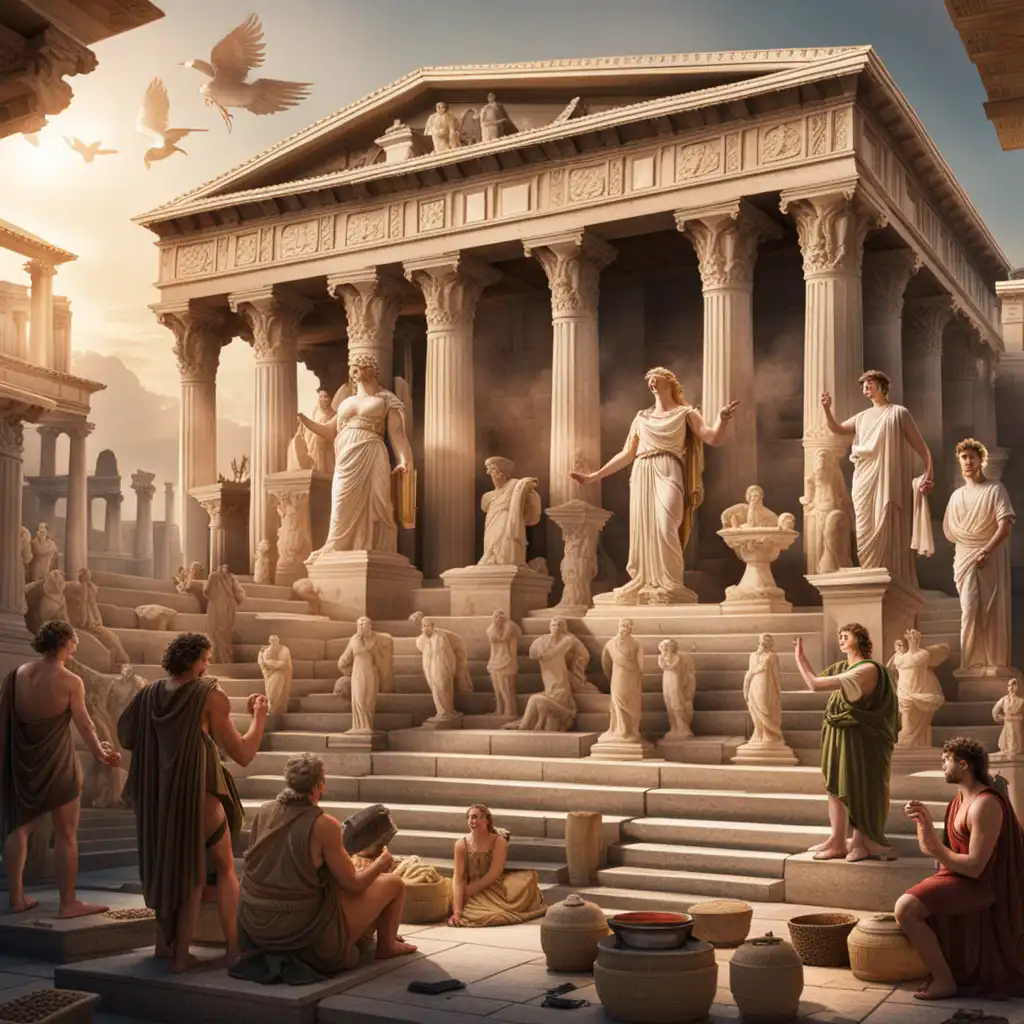
A religion that worships many gods, especially one that existed before the main world religions
Ancient Greek and Roman religions can be considered forms of paganism.
paganism
ˈpeɪɡənɪzəm
Cargando…
ˈpeɪɡənɪzəm
A religion that worships many gods, especially one that existed before the main world religions
Ancient Greek and Roman religions can be considered forms of paganism.
ˈpeɪɡənɪzəm
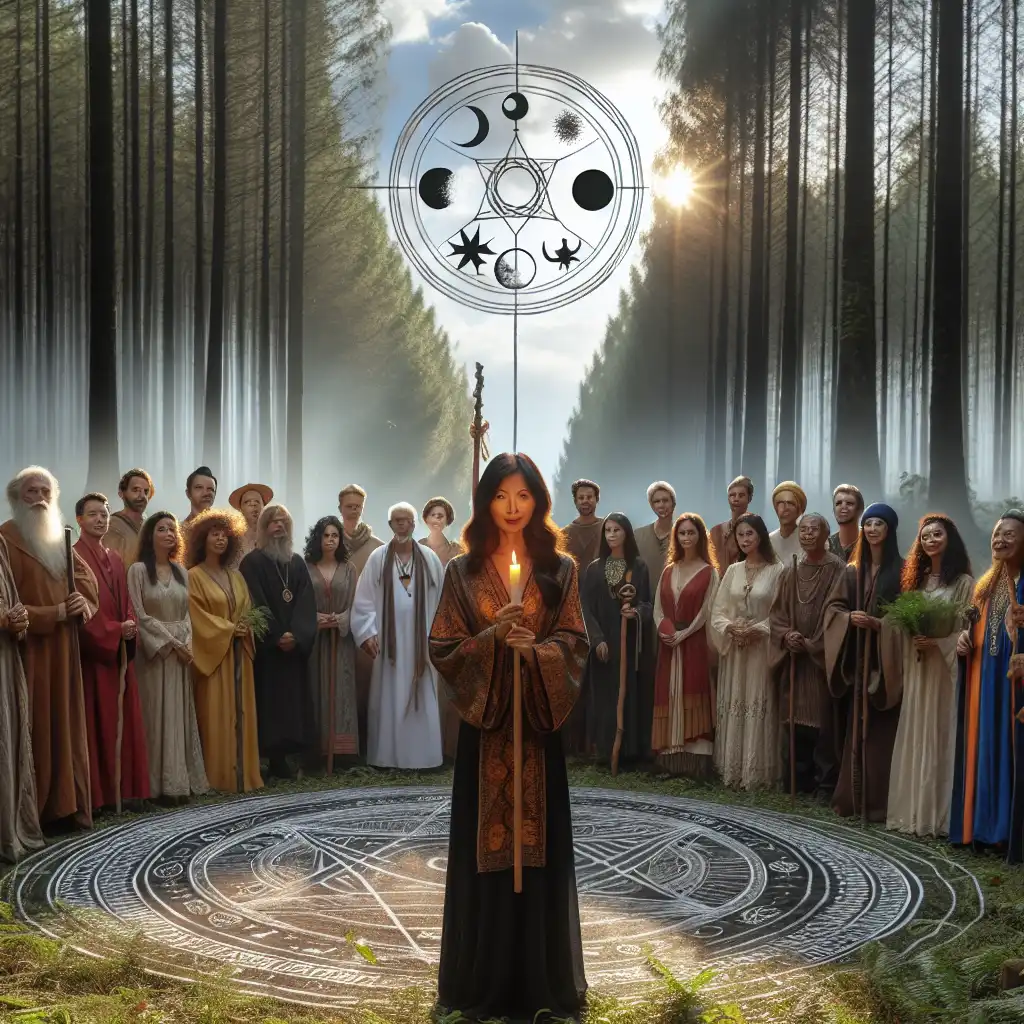
Modern religious movements and beliefs that are inspired by the ancient pagan religions
Some modern practices of paganism include witchcraft and nature worship.
No se pudo cargar el audio. Inténtalo de nuevo más tarde.
Paganism is a word used to describe any religion that is not Christian, Muslim, or Jewish. It is often used to describe ancient religions that were practiced before Christianity became popular, such as Greek or Roman mythology. It can also be used to describe modern religions that worship nature or multiple gods. The word can be used in a neutral way to simply describe a religion, or it can be used in a negative way to criticize a religion that is seen as unenlightened or uncivilized.
Animism is the belief that everything, including animals, plants, and even inanimate objects, has a spirit or soul. The belief is that these spirits can impact our lives and should be respected.
Abrir palabra: Animism →Idolatry refers to the worship of an idol or object as a god, whereas paganism refers to a broad set of beliefs and practices that are not part of the main world religions.
Idolatry is a specific form of worship that involves worshipping a specific object, whereas paganism is a more general term that can encompass a variety of beliefs and practices, some of which may involve the use of idols.
Idolatry is a subset of paganism. Both terms are applicable to discussions about religion, spirituality, and cultural practices, but their meanings and implications can vary depending on the context.
Abrir palabra: Idolatry →Paganism and Pantheism are two different beliefs systems.
Pantheism is the belief that everything in the universe, including nature, the cosmos, and human beings, is all part of one divine entity or source.
So, while Paganism can refer to any non-mainstream religion, Pantheism is specifically focused on the idea that all things are divine.
Abrir palabra: Pantheism →Polytheism specifically refers to the belief in and worship of multiple gods or goddesses.
Polytheism is one of the beliefs that can come under the umbrella term of paganism, but paganism can also refer to other non-monotheistic beliefs such as animism or pantheism.
Abrir palabra: Polytheism →Witchcraft is a specific practice or belief within some pagan religions. It involves using magic, spells, and other supernatural powers to achieve certain goals or connect with the spiritual world.
Not all pagan religions involve witchcraft, and not all witches practice paganism.
Paganism is a broad term for any non-mainstream religious belief, while witchcraft is a specific aspect of some pagan religions.
Abrir palabra: Witchcraft →Where did Russia come...
Ver en YouTube ↗Paganism is wholesome because it faces the facts of life.
Contemporary paganism gives me a subjective lens through which the world in which I live can be interpreted on an aesthetic and an ethical basis. I'm interested in narrative, myth, and story, in folklore and the way we connect to the turning of the seasons and the natural world.
The virtue of paganism was strength; the virtue of Christianity is obedience.
Strength was the virtue of paganism; obedience is the virtue of Christianity.
To live like we are supposed to, we need to listen to our blood, so to speak. Our paganism is in our blood, and to be able to create a positive and meaningful civilization in the future, on the ruins of the 'Sodom and Gomorrah' we live in today, we need to live in accordance with our blood.
What is popularly called fame is nothing but an empty name and a legacy from paganism.
Ninety-nine percent of the things that seem weird in my life can be answered with my religion. Paganism is mostly about nature-worship. It's about being in harmony with your environment and bringing the world of spirit and world of man together. It's about balance.
Paganism is infectious, more infectious than diphtheria or piety.
Theogony' should be read before the great Homeric epics because it gives an account of the cosmology that is taken for granted by Homer. It does for paganism what the Old Testament attempted to do for monotheism.
Because contemporary paganism is essentially so new, its underlying ethical structure is not particularly sophisticated.