mazurka
noun mazurka
məˈzɜːrkə
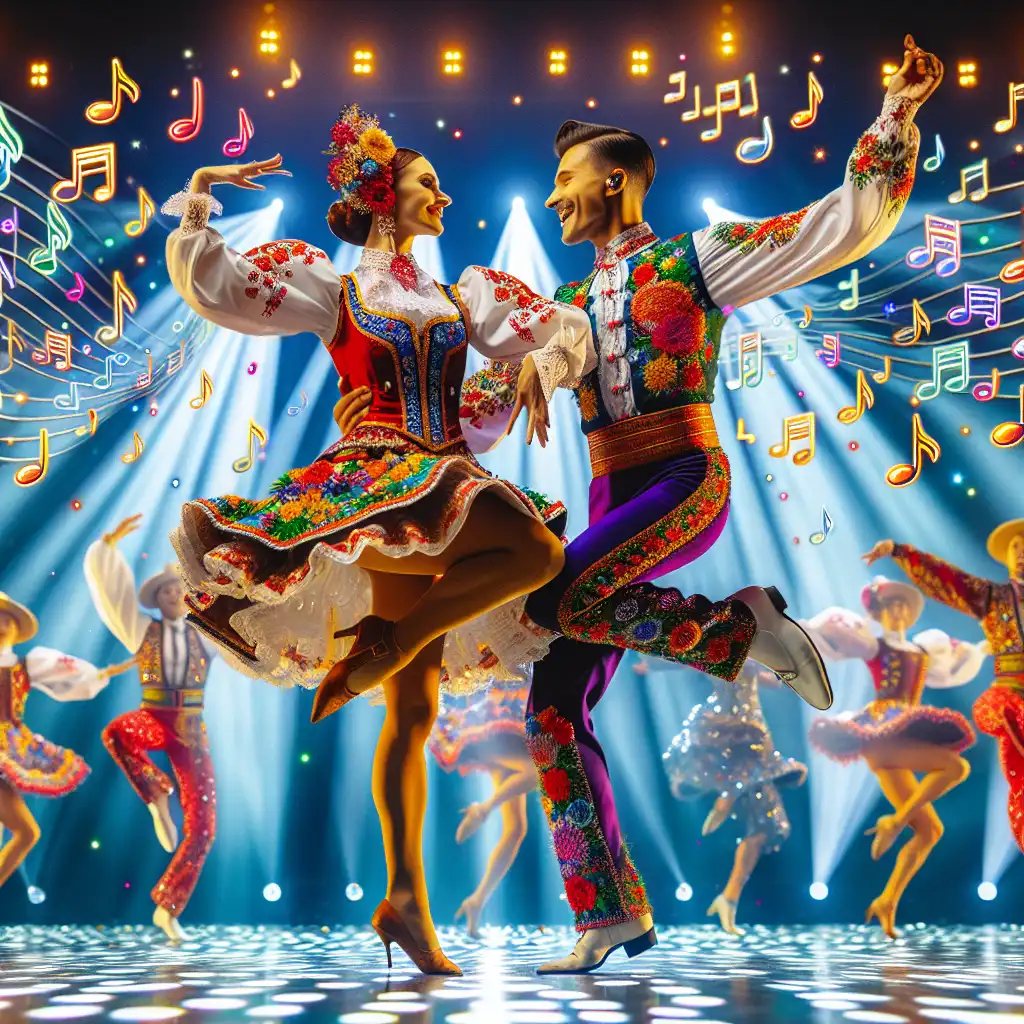
A Polish traditional dance done in triple time.
The dancers performed an intricate mazurka on stage.
mazurka
məˈzɜːrkə
불러오는 중…
məˈzɜːrkə
A Polish traditional dance done in triple time.
The dancers performed an intricate mazurka on stage.
məˈzɜːrkə
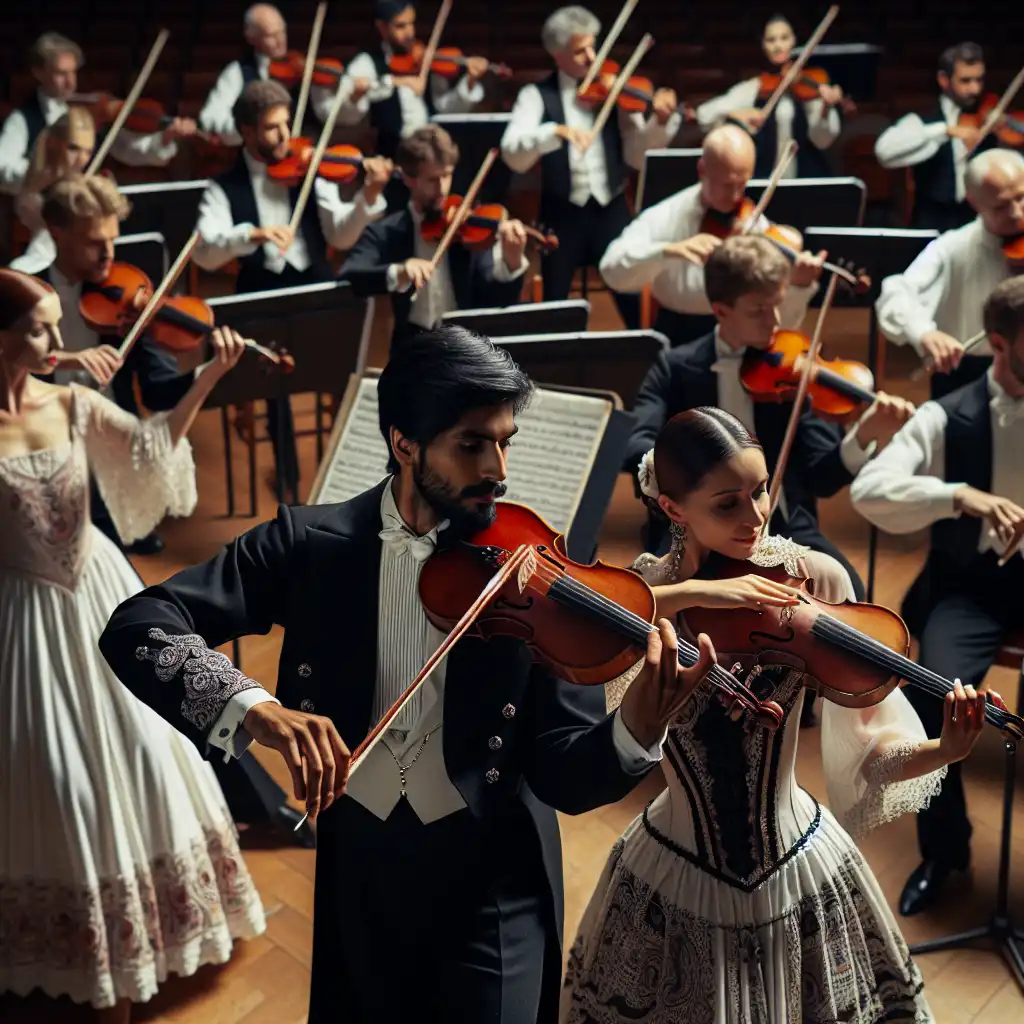
The music that is played for the mazurka dance.
The orchestra beautifully played the mazurka piece.
오디오를 불러오지 못했어요. 잠시 후 다시 시도해 주세요.
The word 'mazurka' is a type of traditional dance that originated in Poland. It is usually danced in pairs and has a rhythm of three beats, with the accent on the second beat. The mazurka is often associated with elegant ballroom dancing, but it can also be a lively folk dance.In English, the word 'mazurka' is commonly used to refer to the music that accompanies the dance. This music is often played on instruments such as the piano or violin and features the distinct three-beat rhythm.If you hear someone mention a 'mazurka', they are likely referring to either the dance or the music that goes along with it. It is a term that is most often used in the context of music and dance performances and is not commonly used in everyday conversation.
Both mazurka and polonaise are traditional Polish dances, but they have some differences. Mazurka is a lively, fast-paced dance in triple time, while Polonaise is a slower, more dignified dance in duple time.
The mazurka originates from rural areas in Poland, while the polonaise was traditionally performed by the Polish nobility.
Mazurka is often danced at weddings and social events, while Polonaise is more commonly performed at formal balls and ceremonies.
단어 열기: Polonaise →